
Last updated November 22, 2026
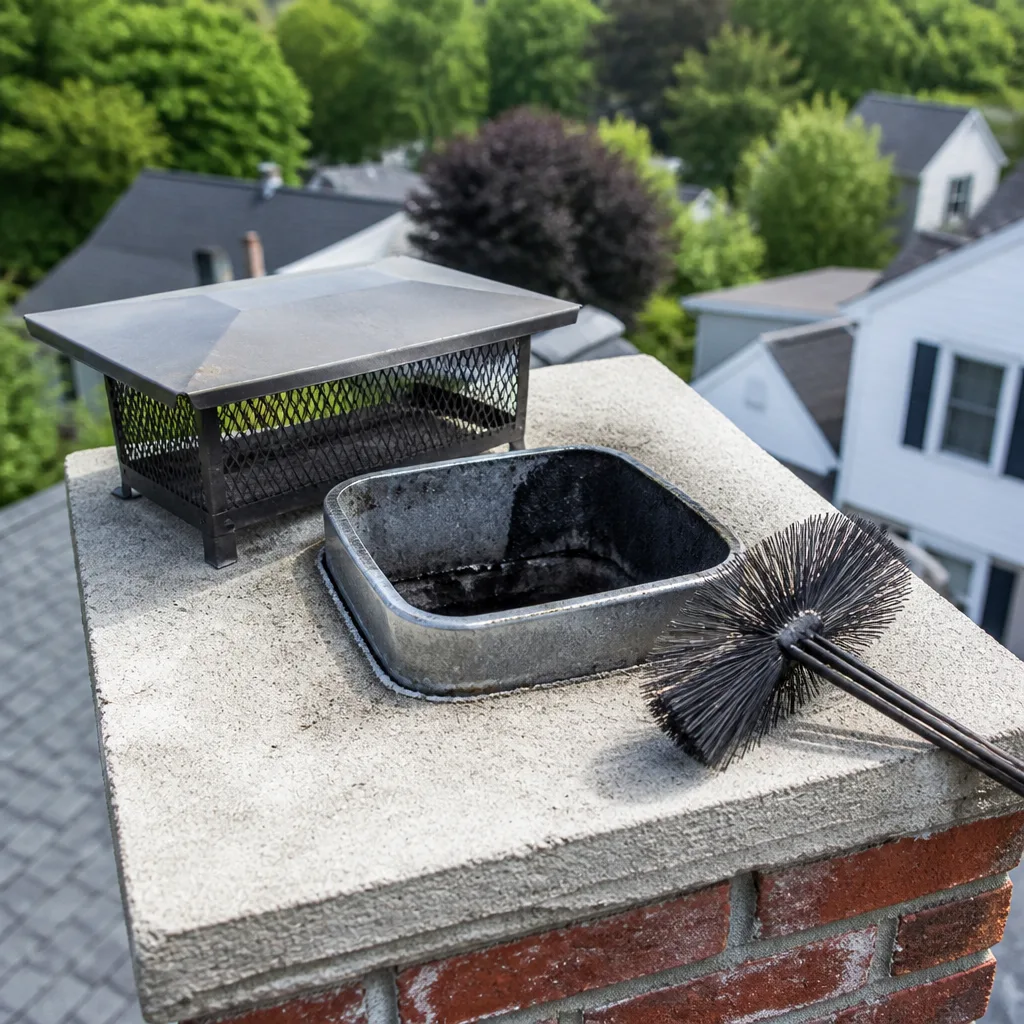 Sweep & inspection
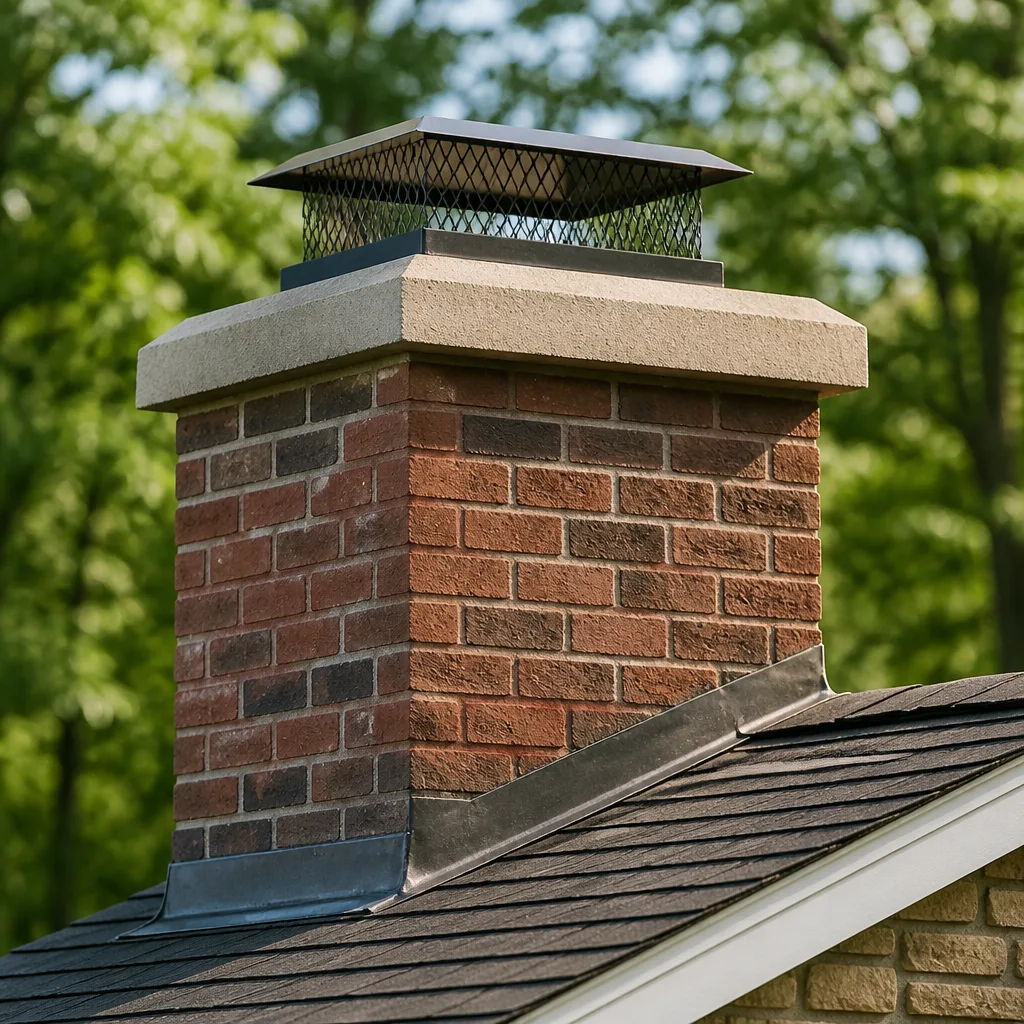 Caps & crowns
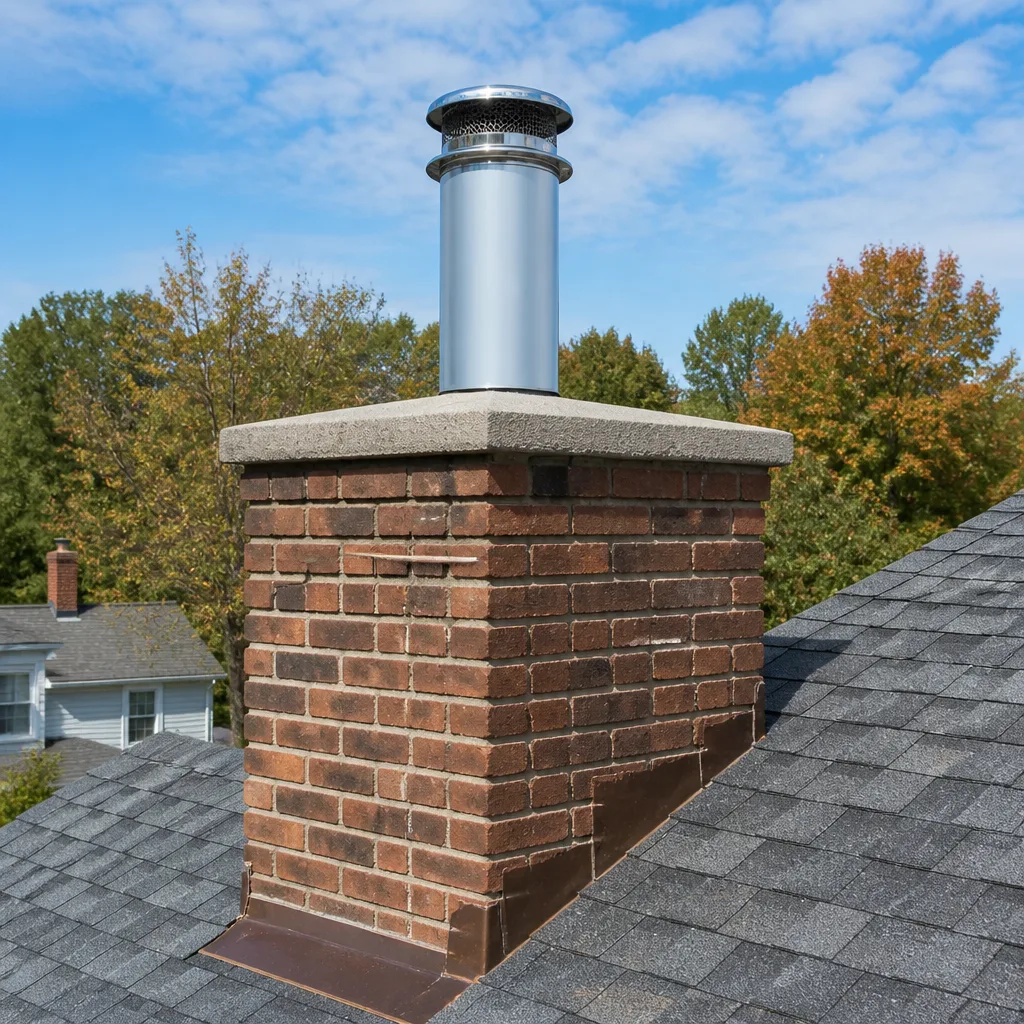 Flue relining
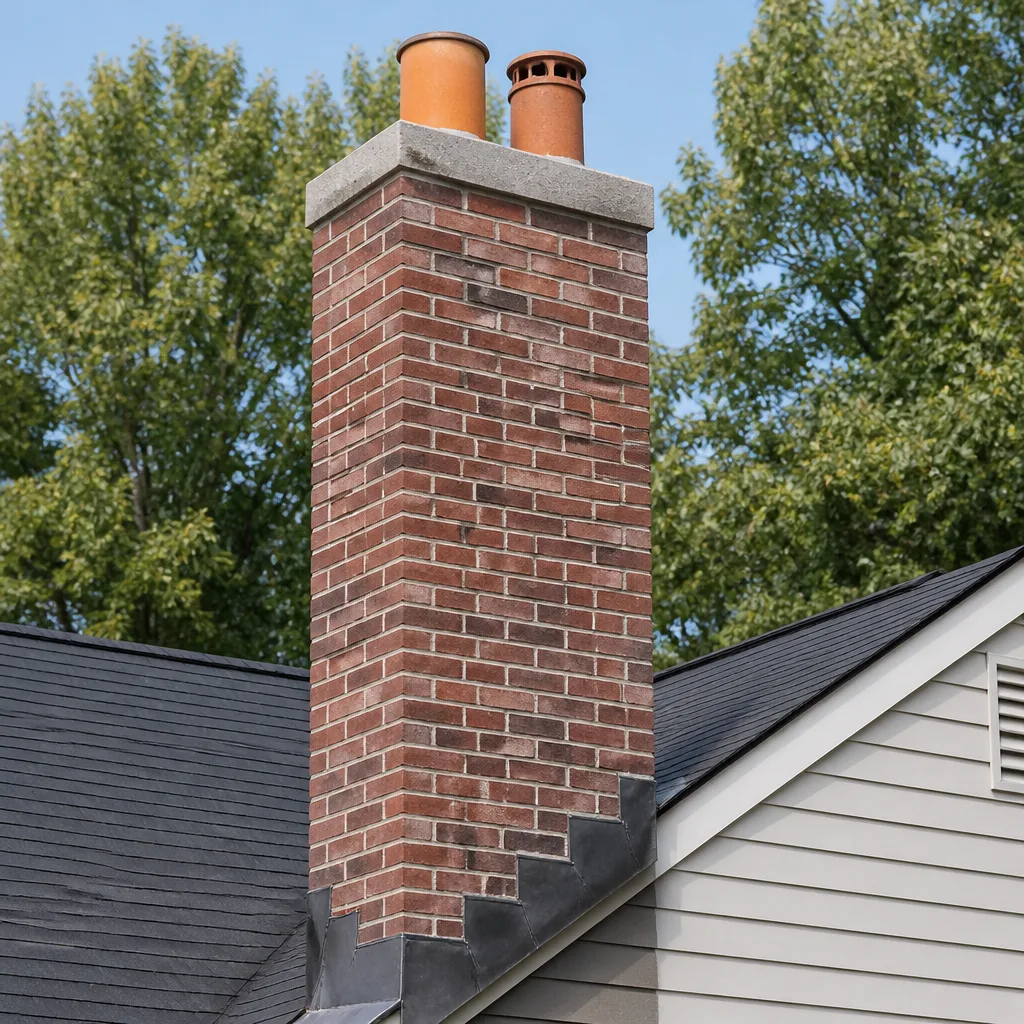 Masonry repair
 Gas fireplace service
Level 1 sweep and inspection to the NFPA 211 annual standard - flue, crown, cap, and flashing checked and photographed
Chimney sweep logs do not sweep chimneys. They loosen some creosote - which then falls where a brush and vacuum still have to collect it.
Chimney Cleaning Permits, Codes & Inspections in Garden Oaks, TX: What You Need to Know
Here’s the part most homeowners get wrong: a routine chimney cleaning almost never needs a permit, and that’s exactly why people assume nothing else does either. The line isn’t “cleaning versus not cleaning.” The line is “maintenance versus modification.” The moment a job moves from sweeping a flue to rebuilding a firebox, replacing a cap, or reinstalling a liner, you’re in different territory. In Garden Oaks, where plenty of homes were built with original masonry chimneys that have been serviced and patched over the years, that distinction matters more than most people realize. This guide walks you through where the line falls, which inspections are which, and how to confirm a contractor is doing the paperwork correctly.
Quick Answer
In Garden Oaks, routine chimney cleaning and Level 1 inspections typically don’t require a permit. Repairs and modifications – cap replacement, liner work, firebox rebuilds, crown repair, and masonry alterations – fall under City of Houston residential building codes and generally require a permit. A Level 2 inspection is a separate thing from a code inspection; it’s a documented, camera-based evaluation usually triggered by a real estate transaction, a chimney fire, or a change to the system, and it does not substitute for a municipal inspection.
Styles & brands we work with
- Sweep & inspection
- Caps & crowns
- Flue relining
- Masonry repair
- Gas fireplace service
Table of Contents
- Where the line falls: cleaning versus repair
- How Houston and Harris County permit rules apply to chimneys
- What a Level 2 inspection is and when it’s required
- Level 2 inspection versus a code inspection
- Why unpermitted repairs become a disclosure problem
- How to confirm a contractor pulls the right permits
- What happens when permits are missing
- Garden Oaks specifics: housing stock and climate
Where the Line Falls: Cleaning Versus Repair
The clearest way to think about permits on a chimney: if you’re removing something (soot, creosote, a bird nest) without altering the system, no permit. If you’re altering, replacing, or reconstructing any part of the system, a permit is usually in play. That’s the plumbing-and-electrical logic applied to a flue.
Here’s roughly how it breaks down for a typical Garden Oaks home:
- No permit normally required: chimney sweeping and creosote removal; Level 1 visual inspection; Level 2 camera inspection for information; minor hardware replacement like a spark screen; replacing a firebox grate or log set in a factory-built fireplace.
- Permit typically required: installing or replacing a chimney liner (DuraFlex flexible liners, cast-in-place relining, or HeatShield ceramic resurfacing when it changes the flue interior); replacing or rebuilding a chimney crown; installing a new cap that requires masonry work to mount; rebuilding a firebox; repointing significant masonry; altering the height or structure of the chimney itself.
- Check with the city: cap replacement on an existing mount that requires no masonry; installing a replacement damper; adding a new gas insert (both a permit and specific venting rules usually apply).
The tricky cases are the in-between ones. A Gelco or Famco cap replacing a damaged cap on an existing mount might not trigger a permit; a cap replacement that requires rebuilding the top course of masonry almost always does. That’s why we tell homeowners: if the work includes masonry or liner material, call the city’s permitting office before the truck shows up.
How Houston and Harris County Permit Rules Apply to Chimneys
Houston residential chimney work falls under the city’s building code, which follows the broader framework of the International Residential Code adopted at the local level. In practical terms: chimney repairs and modifications that affect structural, fire-safety, or venting elements require a permit from the City of Houston’s permitting office, and inspection of the work by a city inspector after completion. Harris County rules apply when a home sits in an unincorporated pocket outside the city limits – and a few quiet blocks around Garden Oaks sit close enough to the boundary that you should confirm which jurisdiction applies before work gets booked.
Our rule of thumb for homeowners: pull up the property on the Harris County Appraisal District site, then call the City of Houston’s permitting office and confirm whether your address is inside city limits. That single phone call prevents most of the confusion. It takes minutes and saves the kind of mid-project surprise that stops work dead.
If a permit is required, the process is usually:
- The contractor submits a permit application describing the scope of work.
- The city reviews and issues the permit (typically after a plan review).
- Work proceeds, with any required rough-in inspections.
- A final inspection is scheduled and passed.
- The permit is closed and becomes part of the public record on the property.
That last item matters more than most people think. A closed permit is documentation that travels with the house. An unpermitted repair leaves no paper trail, and when you sell, that gap is often the first thing a buyer’s inspector flags.
What a Level 2 Inspection Is and When It’s Required
A Level 2 inspection is a camera-based evaluation of the entire chimney system, from the firebox through the flue to the cap. It documents the condition of the flue lining, any cracks or gaps, creosote buildup, and structural condition of the masonry. It’s the standard reference point under NFPA 211, and it’s the inspection we perform when the situation calls for more than a look from below.
Level 2 inspections are typically triggered in these situations:
- Real estate transaction: buyer or seller requests a documented evaluation before closing.
- After a chimney fire: even a small one can damage flue tiles in ways that aren’t visible from the firebox.
- After any significant event: a seismic event, a lightning strike, a prolonged period of no use, or a change in the fuel type being burned.
- Before a liner installation: to confirm the flue is appropriate for the selected liner system.
- After a change to the system: new appliance, new insert, change in flue configuration.
In our experience working through Garden Oaks homes, the real-estate-triggered Level 2 is the one that catches people off guard. A buyer’s inspector finds discoloration on the firebox, recommends a Level 2, and suddenly the seller is looking at a weeks-long process right before closing. Getting the inspection done before listing the home avoids that entire scramble. That inspection includes a camera run of the full flue and a photo report you keep, so the buyer’s inspector has something concrete to reference rather than a guess.
Level 2 Inspection Versus a Code Inspection
These two are related but distinct, and homeowners frequently conflate them.
- Level 2 inspection: performed by a chimney professional. Evaluates the condition of the system. Documents what’s there. Doesn’t issue a permit and doesn’t sign off on code compliance in the municipal sense.
- Code inspection: performed by a city inspector. Verifies that a permitted job was done to code. Signs off on the permit. Required by the permitting authority, not by the homeowners’ insurance carrier or a real estate transaction.
You can have a Level 2 inspection with no code inspection involved (most real estate transactions). You can have a code inspection with no Level 2 involved (a homeowner pulling a permit for a cap replacement and getting the city out to sign it off). The two answer different questions. The Level 2 answers “is this chimney safe?” The code inspection answers “was this work done correctly under permit?”
For most Garden Oaks homeowners, the practical point is this: if you’re doing a permitted repair, you’ll get both a Level 2-aligned inspection from us and a code inspection from the city. If you’re just doing a routine cleaning, you get neither, because neither is required. Don’t let anyone tell you otherwise.
Why Unpermitted Chimney Repairs Become a Disclosure Problem
When you sell a home in Garden Oaks, Texas law requires you to disclose known material defects and any work you know wasn’t done under permit. That’s the requirement. It’s not a technicality, and it’s not something to skip past.
Here’s where it gets real: an unpermitted chimney repair doesn’t just sit there quietly. It becomes part of the property record the buyer’s inspector reviews. If a firebox was rebuilt without a permit, or a liner was installed without one, the buyer’s inspector sees the altered masonry and asks for documentation. If there isn’t any, three things can happen: the buyer asks for a credit, the buyer walks, or the buyer asks the seller to obtain a retroactive permit before closing. The retroactive permit is the cleanest of the three outcomes, and it’s still a delay that most sellers don’t budget for.
The reverse is also true. A closed permit for a chimney repair is a selling point. It documents that the work was done to code and inspected. It removes a common objection before the buyer’s inspector can raise it. In a market where buyers are looking at everything, that’s not nothing.
We tell Garden Oaks homeowners the same thing whenever we’re asked whether to pull a permit: the paperwork is worth more than the hassle it saves later. That’s true whether you’re staying put for twenty years or listing next spring.
How to Confirm a Contractor Pulls the Right Permits
The single biggest mistake homeowners make is assuming a contractor’s word on permits is the same thing as permits actually being pulled. It isn’t. Here’s how to verify:
- Ask for the permit number before work begins. Not after. Before. A legitimate permit number is issued before the work is scheduled, not retrofitted once a job is done.
- Look the permit up on the city’s website. Houston’s permitting portal lets you search by address and permit number. Confirm the scope matches the work being performed.
- Ask who is doing the final inspection. It should be a city inspector, not the contractor’s own crew. If a contractor says “we inspect our own work,” that’s a red flag.
- Get the permit and inspection documentation in writing. Closed permit notices should be delivered to you when the job closes out.
- If the contractor hesitates, stop. A licensed chimney pro who’s pulling permits regularly won’t blink at this request. The hesitation is the tell.
When we handle liner installations with DuraFlex systems or HeatShield ceramic resurfacing, the permit question comes up at the estimate, not mid-job. We tell you the permit status in writing so you’re not chasing paperwork later.
What Happens When Permits Are Missing
If you inherit a home where chimney work was done without a permit, you have options, and none of them are catastrophic. The first step is documenting what’s actually there. A Level 2 inspection with photo documentation tells you the condition of the flue, the liner, and the masonry, regardless of when the work was performed. Then you decide whether the work needs to be redone or retroactively permitted.
Retroactive permitting is a common path. You submit an application for the work as it exists, the city inspects, and if it passes, the permit is issued in the current owner’s name. If it doesn’t pass, you learn exactly what needs correcting and can decide whether to correct it now or disclose the condition at sale.
The worst outcome is doing nothing. An unpermitted, unknown-condition chimney is the exact scenario that stops a home sale cold, and it’s the exact scenario that leaves the flue vulnerable in ways a routine cleaning wouldn’t catch. When we do a chimney sweep in a home with unusual paperwork history, we note the condition of everything we can see and flag what needs a closer look before anything else happens. It’s not a scare tactic – it’s information you need whether you’re staying, selling, or just trying to make the next burning season safe.
Garden Oaks Specifics: Housing Stock and Climate
Garden Oaks was built up largely from the 1940s through the 1960s, and many homes still have original masonry chimneys or fireplaces that have been through one or two rounds of repair. That matters for permits in a specific way: older masonry chimneys are more likely to have non-standard construction that doesn’t match the assumptions in a modern permit form. That’s not a problem – it’s just reality, and it’s why we photograph everything during inspection. When a permit application describes the existing conditions honestly, the city review goes smoother.
The other local factor is climate. Garden Oaks winters are mild, so chimneys here see lighter use than in colder parts of the country. That doesn’t mean they age slower. It means the typical seasonal damage pattern is different: less thermal shock, more moisture retention during the humid months, and more slow masonry deterioration on the exterior side of the chimney. When we recommend a chimney cap & crown replacement on a Garden Oaks home, it’s usually because the crown has developed cracks from sun exposure and moisture cycling, not because of freeze damage.
The gentle answer to “do I need this?” is: not always. We tell homeowners when a repair can safely wait. A hairline crack in a crown that isn’t allowing water into the flue can be monitored for a season. A cap that’s seated correctly but has a dented screen doesn’t need replacement. A liner that passes camera inspection doesn’t need relining, even if the previous contractor suggested it.
When a repair does genuinely need to happen, it’s a premium scope. We’re trained in fireplace repair and mantle-to-cap chimney work using a professional-grade materials lineup – DuraFlex, HeatShield, Gelco, Olympia Chimney, Famco, Copperfield – because these are the materials specified by certified chimney professionals. They hold up in this climate and they’re what the permit drawings reference. Our technicians have up to 14 years of experience, and that experience shows up most in the assessments: knowing which cracks matter and which can wait, and being honest about both.
One last local note: because Garden Oaks is largely built out, additions, garage conversions, and remodels that touch the chimney are common. Any time an addition narrows the clearance around a chimney or changes the height of the roofline, the chimney itself needs to be reevaluated against current code, not just the code that applied when the house was built. That’s the most common code-compliance gap we see in the neighborhood, and it usually shows up during a sale.
Common Mistakes to Avoid
- Assuming “no permit needed for a cleaning” means “no permit needed for a repair.” The two are treated completely differently under Houston codes. Cleaning is not a permitted activity; structural repair is.
- Trusting a contractor who says “we’ll pull permits if we need to.” That’s not a commitment, and it usually means the contractor hasn’t checked. Ask for the permit number before work starts.
- Skipping the Level 2 inspection during a real estate transaction. It’s the cheapest part of a home sale, and skipping it invites a buyer’s inspection to blow up during the option period with much less time to respond.
- Letting a contractor self-inspect the work. The final inspection has to come from the city. A contractor inspecting their own work isn’t a code inspection, no matter what they call it.
- Not documenting inherited unpermitted work. If you buy a Garden Oaks home with a chimney that shows signs of work without permits, get a Level 2 inspection and photo documentation immediately. It’s a small upfront cost that saves a much larger one at sale.
- Assuming a remodel didn’t affect the chimney. Any addition, roofline change, or reconfigured flue inside the home changes the code evaluation. Pull the permit for that work and reevaluate the chimney at the same time.
- Taking a repair quote at face value. A liner restoration isn’t the same thing as a liner replacement. HeatShield ceramic resurfacing can often extend the life of a flue without a full reline, and the right choice depends on what the camera shows, not on which one earns the contractor more.
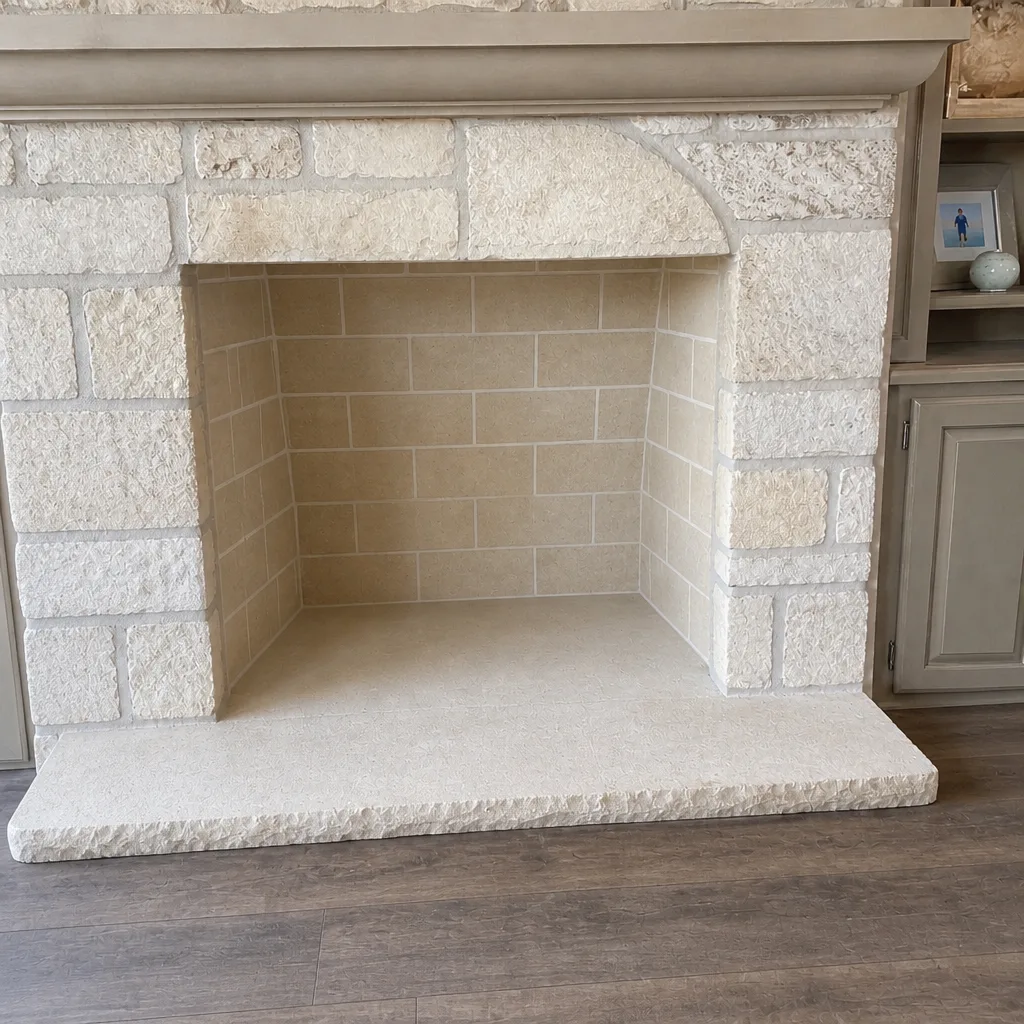
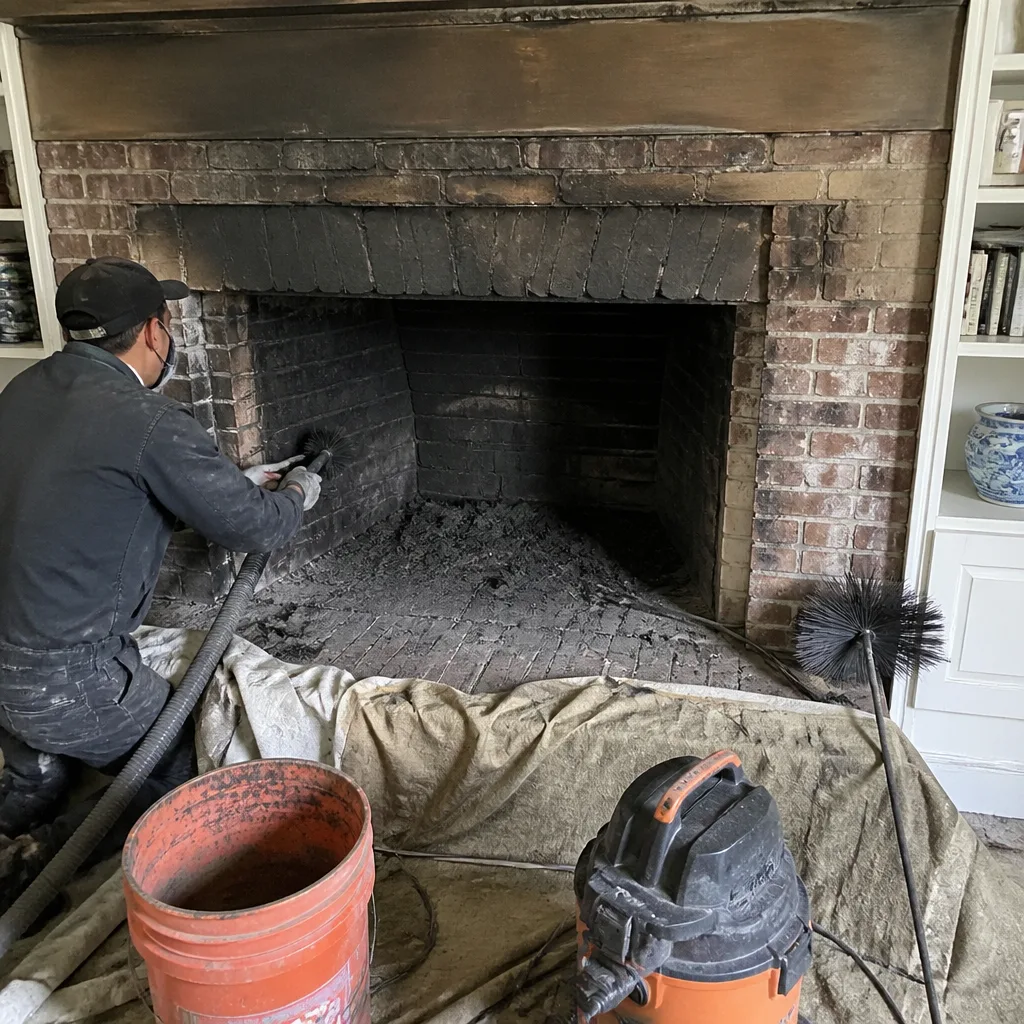
See the difference
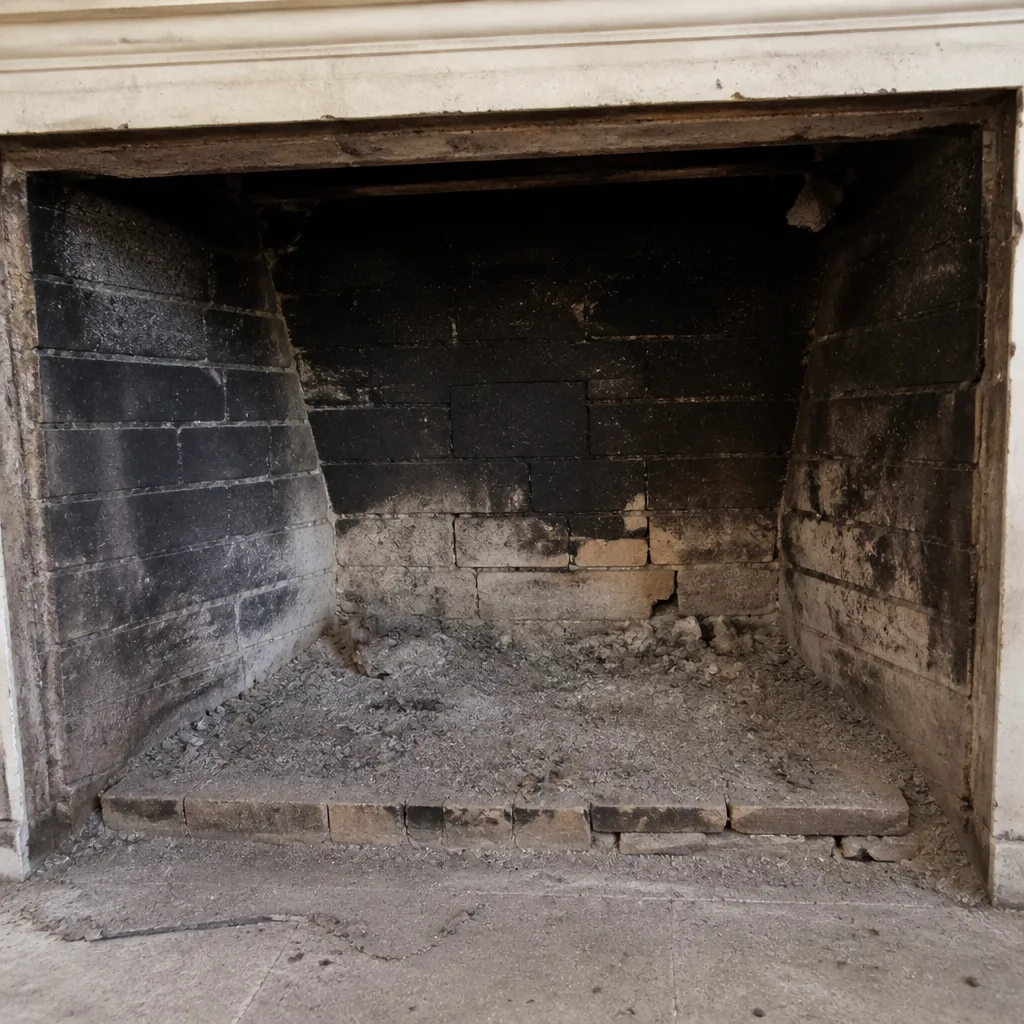 Before
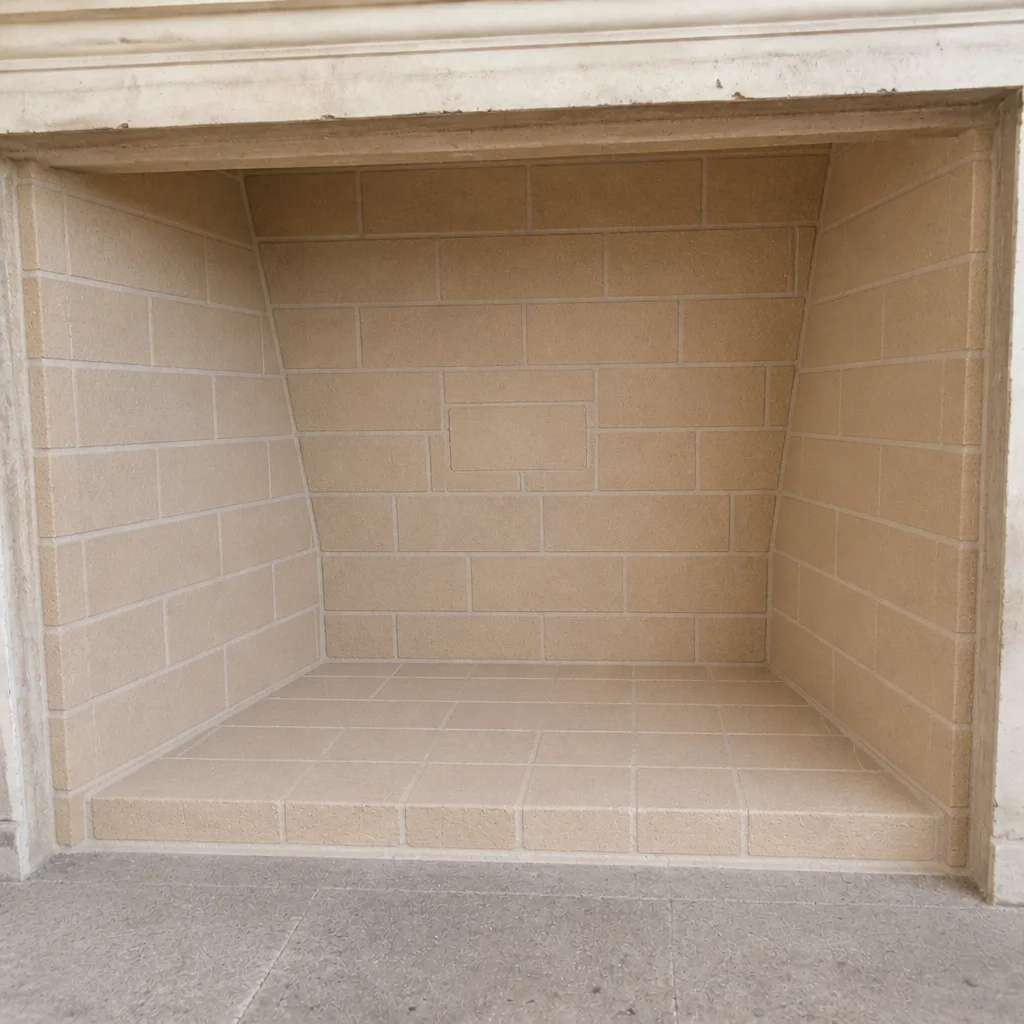 After
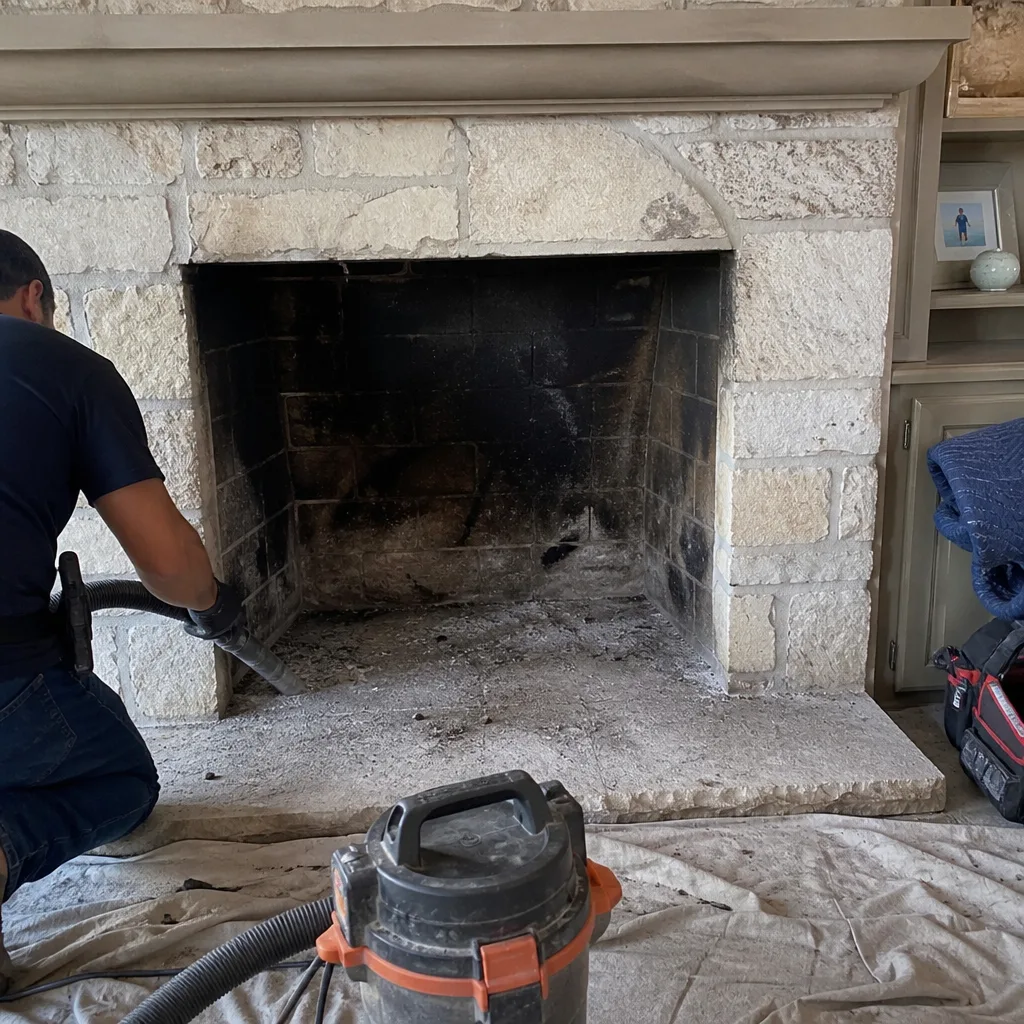 Before
 After
 Before
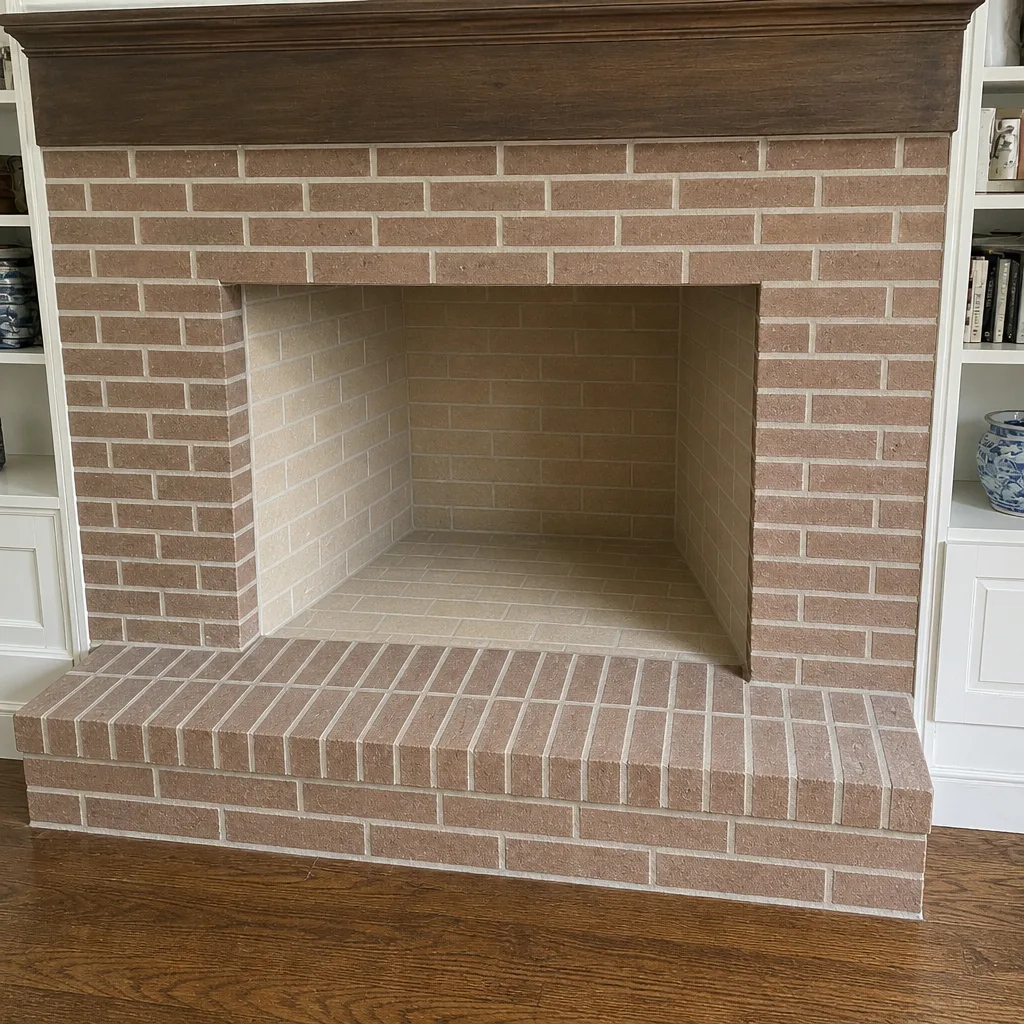 After
When to Call a Professional
Call a chimney professional when a repair is genuinely beyond what a cleaning resolves – specifically, when a camera inspection shows a cracked or missing liner, a firebox that’s cracked or separating, a crown that’s allowing water into the flue, or masonry that’s separating from the structure of the home. Also call when you’re approaching a sale and don’t have documentation, when your home inspector has flagged the chimney, or when you’ve moved into a Garden Oaks home and don’t know the condition of the flue. A licensed and insured local pro can confirm what needs a permit versus what doesn’t, and can show you the camera evidence before recommending anything. Chimney Sweep Garden Oaks offers free estimates in Garden Oaks – call (844) 299-4971. We answer 24/7. Fast dispatch from 7am to 7pm, Sunday through Friday.
Frequently Asked Questions
No. Routine chimney cleaning and Level 1 visual inspections don’t require a permit in Garden Oaks, because they don’t alter the chimney system. If the work shifts to repair or modification – a liner, a cap, a crown, or a firebox – permit rules apply. Call (844) 299-4971 for an exact quote – estimates are free.
It depends on whether the replacement requires masonry work. A cap swap that reuses the existing mount and doesn’t touch masonry typically doesn’t need a permit; a cap replacement that requires rebuilding the top course of the chimney usually does. Confirm with the City of Houston’s permitting office before the work is scheduled, and ask the contractor for the permit number in writing.
A Level 2 inspection is performed by a chimney professional to evaluate the condition of the system; a code inspection is performed by a city inspector to sign off on a permitted job. You can have one without the other, and the two answer different questions. The Level 2 answers “is this chimney safe?” The code inspection answers “was this work done correctly under permit?”
It can. Texas law requires sellers to disclose known material defects and any work known to be without permit. A buyer’s inspector will typically flag unpermitted alterations and ask for documentation. The cleanest fix is a Level 2 inspection and, if needed, a retroactive permit. Getting the inspection before listing the home avoids the scramble of doing it during an option period.
Pricing is per job by written estimate, and the estimate is free. The written estimate sets the final price, so nothing is added after the fact. Call (844) 299-4971 for an exact quote – estimates are free.
Look the address up through the City of Houston permitting portal or the Harris County Appraisal District record and check for closed chimney permits. If nothing shows up but the work is visible in the masonry, a Level 2 inspection gives you a clear picture of the condition. Call (844) 299-4971 and we’ll walk you through what a documentation inspection looks like for your Garden Oaks home.
The Bottom Line
Cleaning and inspection are the no-permit end of the chimney service spectrum; anything that alters the flue, the firebox, the crown, or the masonry is on the other side of the line and usually needs a permit from the City of Houston. Level 2 inspections and code inspections answer different questions and both have their place – one for safety and documentation, one for permit sign-off. For Garden Oaks homeowners, the practical playbook is: get the inspection done before anything else, confirm the permit status in writing, and don’t let a quote for liner or masonry work go unchallenged. We tell you what your chimney actually needs, backed by camera evidence you can see, and we say plainly when work can safely wait. One company for the entire chimney system. Call (844) 299-4971 for a free estimate. We answer 24/7. Fast dispatch from 7am to 7pm, Sunday through Friday.
Written by the team at Chimney Sweep Garden Oaks.