
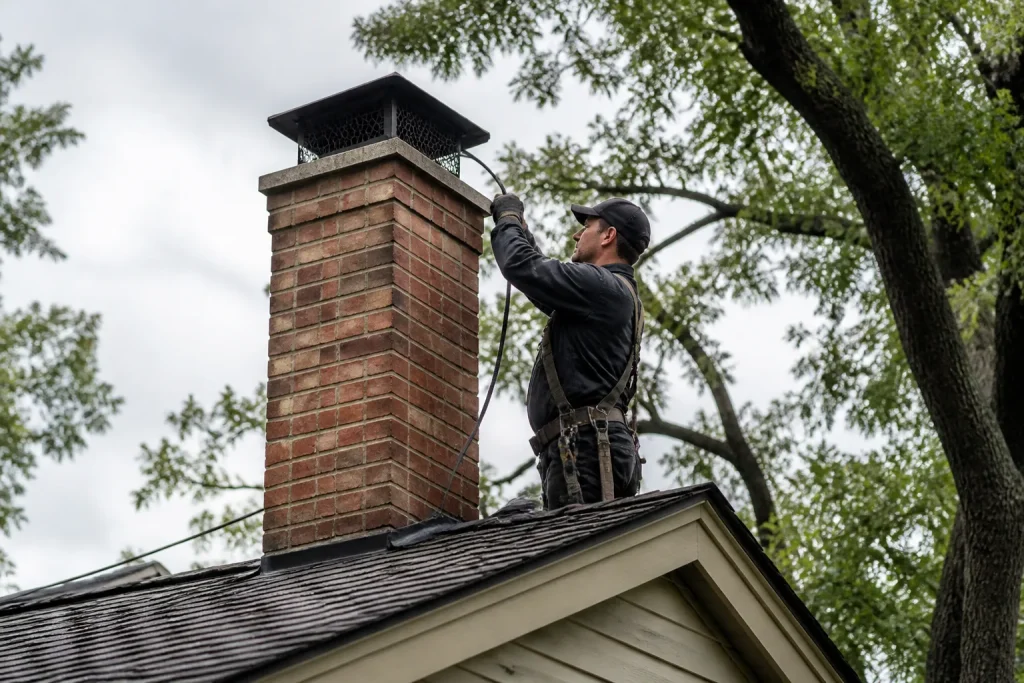
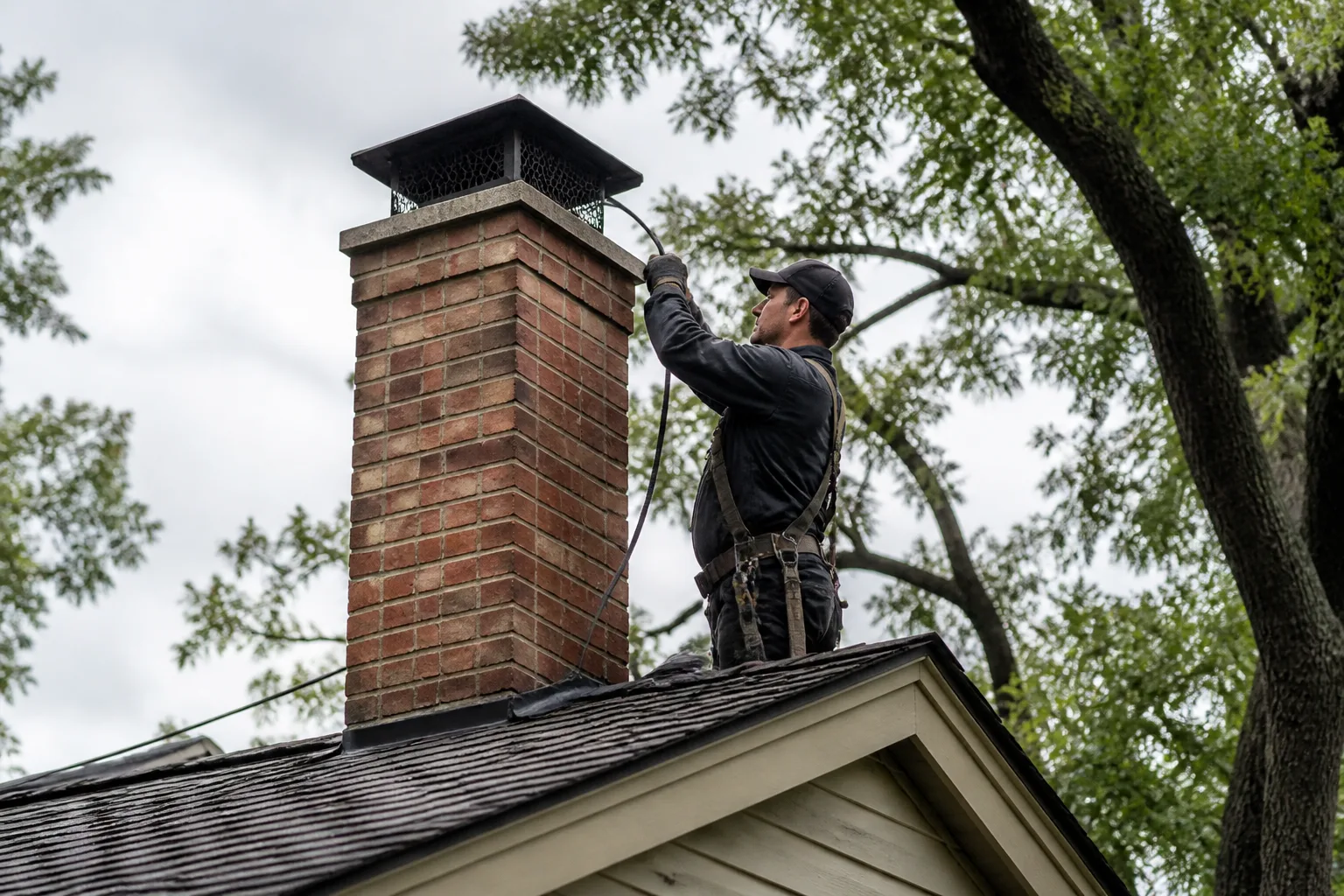
Emergency Chimney Sweep Near Me: What Garden Oaks Homeowners Should Do First
Most people who type “emergency chimney sweep near me” into their phone are not actually watching flames shoot out of the flue. They’re standing in a smoky living room or staring at a crack that appeared overnight, wondering whether this is a now problem or a tomorrow problem. Here’s the part nobody tells you: in Garden Oaks, the first thirty minutes after something goes wrong usually decides whether you’re looking at a cleaning bill or a masonry repair. The sequence of steps below is what separates a manageable incident from an expensive one, and it’s better to read it now than to search for it with a fireplace full of smoke.
What Kind of Chimney Emergency Are You Actually Having?
Not all chimney emergencies are the same, and treating them alike is how small problems get worse. In Garden Oaks, the calls we get fall into three distinct categories, and each one calls for different actions from you.
- An active or recent chimney fire. You may have heard a roar like a distant train, a popping sound, or seen thick smoke and sparks from the top. Even if it’s out, the flue and the surrounding masonry may have been stressed in ways you can’t see. This is the one that needs a professional on site before the fireplace is used again.
- Smoke backdraft into the home. Smoke rolling into the room instead of up the flue is often a pressure, blockage, or damper issue. It’s uncomfortable and it leaves soot and odor behind, but it’s rarely a structural danger on its own. The key is stopping the smoke from spreading.
- Storm damage. A loosened cap, a cracked crown, or masonry that shifted in high wind lets water into the system. Houston-area storms can do this in a single afternoon, and the damage compounds if it isn’t addressed.
Figuring out which one you’re facing changes everything that follows. If you’re unsure, describe what you’re seeing to a professional rather than guessing.
What Should You Do in the First 30 Minutes Before Calling Anyone?
Before you dial a number, a few careful moves protect your home and make the eventual repair easier. Do these in order:
- Close the damper if it’s safe to reach. This cuts the draft that feeds smoke and, in the case of a fire, limits the air supply feeding it. If there’s active fire in the firebox or you can’t reach it without risk, leave it and get everyone out.
- Seal the firebox opening. A piece of plywood or a heavy blanket taped over the opening stops smoke from migrating into the room. Don’t seal it so tightly that you trap heat with active fire inside.
- Open windows in the right rooms. This is the step people get backwards. Opening a window right next to the fireplace can actually pull more smoke into the room. Instead, open a window on the far side of the house or on a different floor to create a path for smoke to exit away from the living area.
- Keep the fireplace unused and move people and pets away. Don’t attempt to burn anything out or “clear” the flue yourself. Let a trained professional assess it.
Window placement is one of those details that seems minor until you’re scrubbing soot off a wall. Get it right and the smoke damage stays contained.
What Can an Emergency Sweep Actually Assess on the Same Visit?
This is where expectations matter. A sweep who comes out after a chimney fire can clean the flue and remove creosote and soot, but a cleaning is not the same as a full diagnosis. A Level 2 inspection, which uses a camera to look inside the flue and check the joints, liner, and surrounding structure, is what tells you whether there’s real damage. In our experience, homeowners who assume the cleaning “covered everything” are the ones who find out about a compromised liner months later.
So when you call, ask directly what the visit includes. A legitimate service will be clear that cleaning restores function but a thorough inspection confirms safety. If the technician recommends a liner repair or resurfacing, that recommendation should be backed by what they can show you, not a sales script. It’s fair to ask to see the camera findings for yourself.
Why Do Masonry Cracks Appear in Houston-Area Winters?
Winters here are mild, but they’re not one long flat stretch of temperature. The swings between warm days and cold nights, including the occasional freeze, cause masonry to expand and contract. Existing hairline cracks can widen suddenly, and a crack that lets moisture into the chimney structure qualifies as urgent even when there’s no fire involved. Water is patient and relentless; it works into the mortar and the crown a little more with each cycle.
If you spot a new or growing crack after a cold snap, treat it as a call-now item rather than a spring project. The same goes for a crown that has started to separate or a cap that looks off-kilter after a storm. That’s the kind of work a chimney cap & crown specialist handles, and it’s worth doing before water gets a foothold.
If you’d rather not sort this out yourself, call (844) 299-4971. We answer 24/7, and fast dispatch from 7am to 7pm gets a technician out to look at what’s actually going on.
How Should You Describe the Damage Over the Phone?
Being able to describe what you see accurately is how you avoid two opposite mistakes: overpaying for rushed work you didn’t need, or underselling a hazard that needs immediate attention. Before you call, walk through these questions so your description is specific:
- Is there active fire, or has it stopped? How long ago did it stop?
- Is smoke coming from the top of the chimney, the firebox, or both?
- Where exactly is the crack or damage? On the crown, the cap, a visible section of masonry, or somewhere you can’t reach?
- What color is the smoke: gray, black, or white? Is there a smell of burning beyond normal wood smoke?
- Did this start during a fire, after a storm, or on its own?
Specific answers help the person on the other end judge urgency and prepare. Vague descriptions (“something’s wrong with the chimney”) tend to get either an over-cautious response or a rushed one. Clear words get a clear assessment, and a written estimate before any work begins. We tell you what your chimney actually needs, and we don’t guess in either direction.
When Should You Call a Pro Instead of Handling It?
Some fixes are within reach for a careful homeowner. A lot of chimney emergencies aren’t. Call a professional the moment any of these are true:
- You’ve had a chimney fire, even a small one you think put itself out.
- Smoke is filling a room and won’t stop after you’ve sealed the firebox and managed the windows.
- You see visible structural damage, from a shifted crown to a leaning cap.
- A carbon monoxide detector has gone off. Leave the house, and contact help.
- You’re not sure what you’re looking at and don’t want to guess.
A quick phone consultation often tells you whether it’s urgent or can wait. A technician with up to 14 years of experience can usually tell from a clear description whether a callout is needed today or whether a scheduled visit makes more sense.
Related services in Garden Oaks: if the emergency turns out to need a chimney sweep or interior fireplace work, we handle that too, so you’re not coordinating a string of different contractors for one system.
Protecting Your Chimney Before the Next Emergency
Most of these emergencies start small and build quietly: a little creosote, a small crack, a cap that’s been loose since last spring. A scheduled maintenance visit and a proper cap go a long way toward preventing the panicked phone call. In our experience, homeowners who stay ahead of it rarely end up staring at a smoky room wondering what went wrong. We install and work with professional-trade products like DuraFlex liners and HeatShield ceramic resurfacing when a repair is needed, and a well-fitted cap from a brand like Famco keeps water, animals, and debris out of the flue long after the service call. Built to last, not patched to pass inspection.
One small comfort about chimney work: it’s the rare home repair where the smoke alarm usually tells you something is wrong before the bill does. Take the warning it gives you and act on it.
The Bottom Line
The key is sequencing. Identify which of the three emergencies you’re facing, take the specific first-30-minutes steps, and describe what you see clearly when you call. A cleaning after a fire is not a substitute for a Level 2 inspection, and a crack that opened after a cold snap is urgent even without a flame in sight. You don’t have to diagnose it alone. If you’re in Garden Oaks and need help, Chimney Sweep Garden Oaks offers free estimates – call (844) 299-4971. We answer 24/7, with fast dispatch from 7am to 7pm, and we start with a Chimney Sweep Garden Oaks visit that tells you what your chimney actually needs.
Frequently Asked Questions
Most Garden Oaks emergencies can be booked for the same day, though we never promise an exact arrival time. We answer 24/7, and dispatch runs from 7am to 7pm, so calling early gives you the widest window. Call (844) 299-4971 for an exact quote – estimates are free.
No. A cleaning removes creosote and soot, but it does not confirm whether the flue liner or structure was damaged by the heat. After any chimney fire, a Level 2 inspection with a camera is what determines whether repair work is needed. Call (844) 299-4971 to book an inspection – estimates are free.
It can be. In this area, temperature swings in winter cause masonry to expand and contract, and a crack that suddenly widens lets moisture into the chimney structure. That qualifies as urgent even without fire involvement because water damage compounds quickly. Call (844) 299-4971 for an assessment – estimates are free.
Close the damper if it’s safe to reach, seal the firebox opening with a heavy blanket or plywood, and open a window on the far side of the house rather than right next to the fireplace. Then call a professional. Call (844) 299-4971 for help – we answer 24/7, and estimates are free.
Written by the team at Chimney Sweep Garden Oaks.
Need Chimney Cleaning Help?
Call Chimney Sweep Garden Oaks - the local pro we connect you with is licensed and insured, here with fast help in Garden Oaks.
(844) 299-4971