
Last updated November 22, 2026
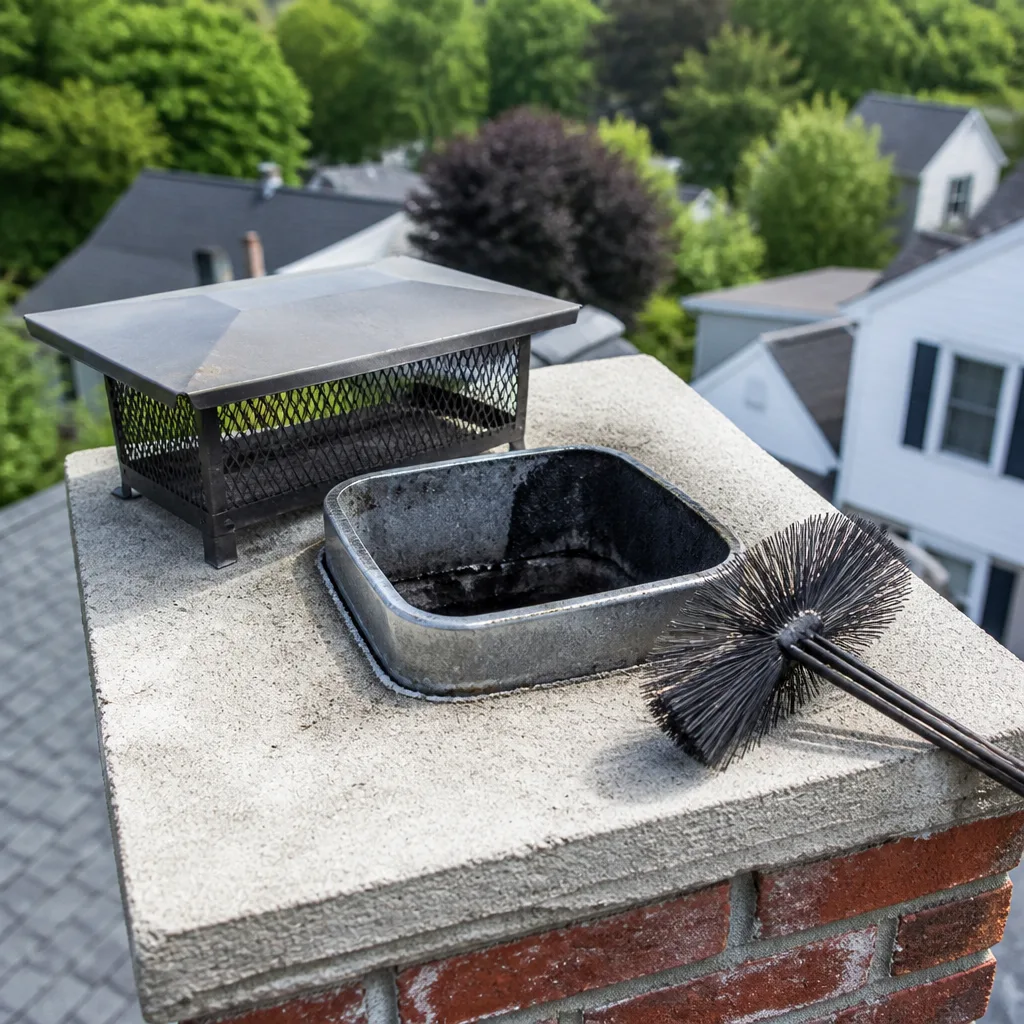 Sweep & inspection
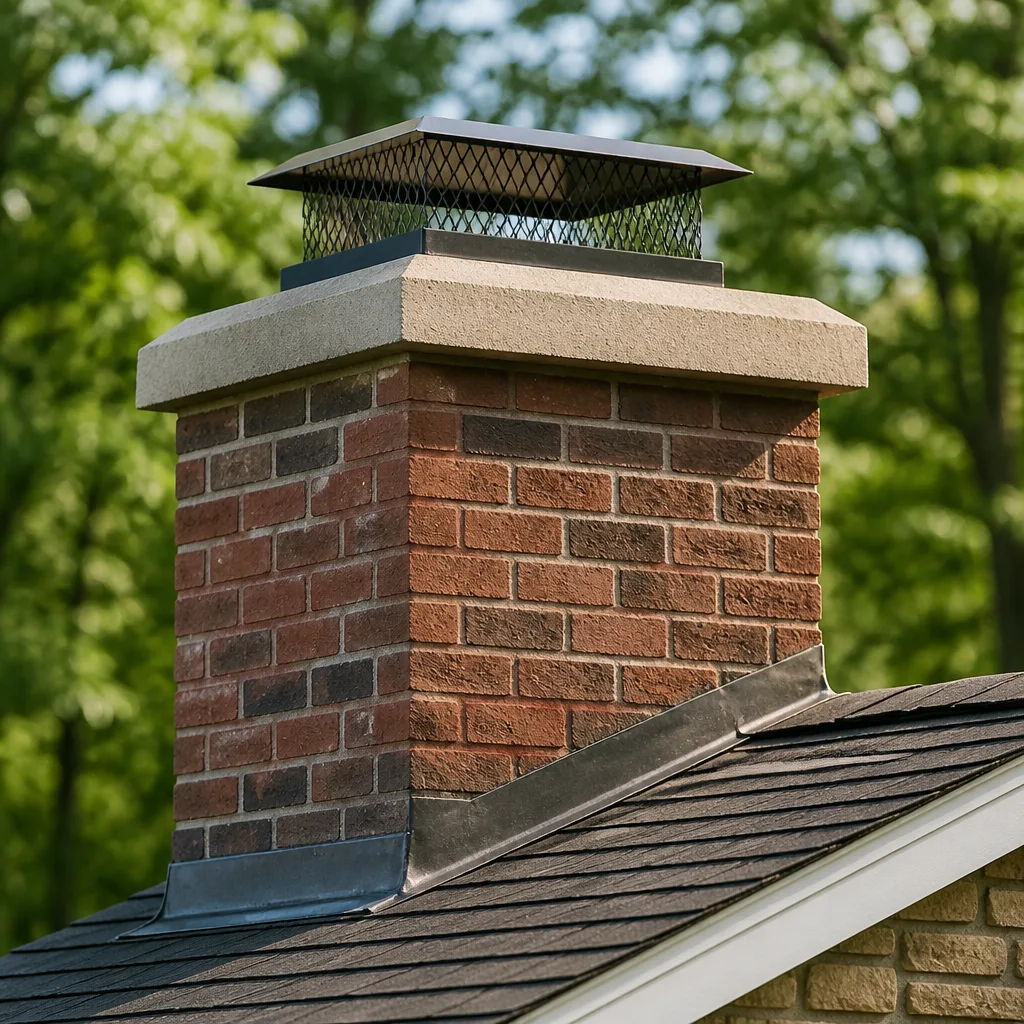 Caps & crowns
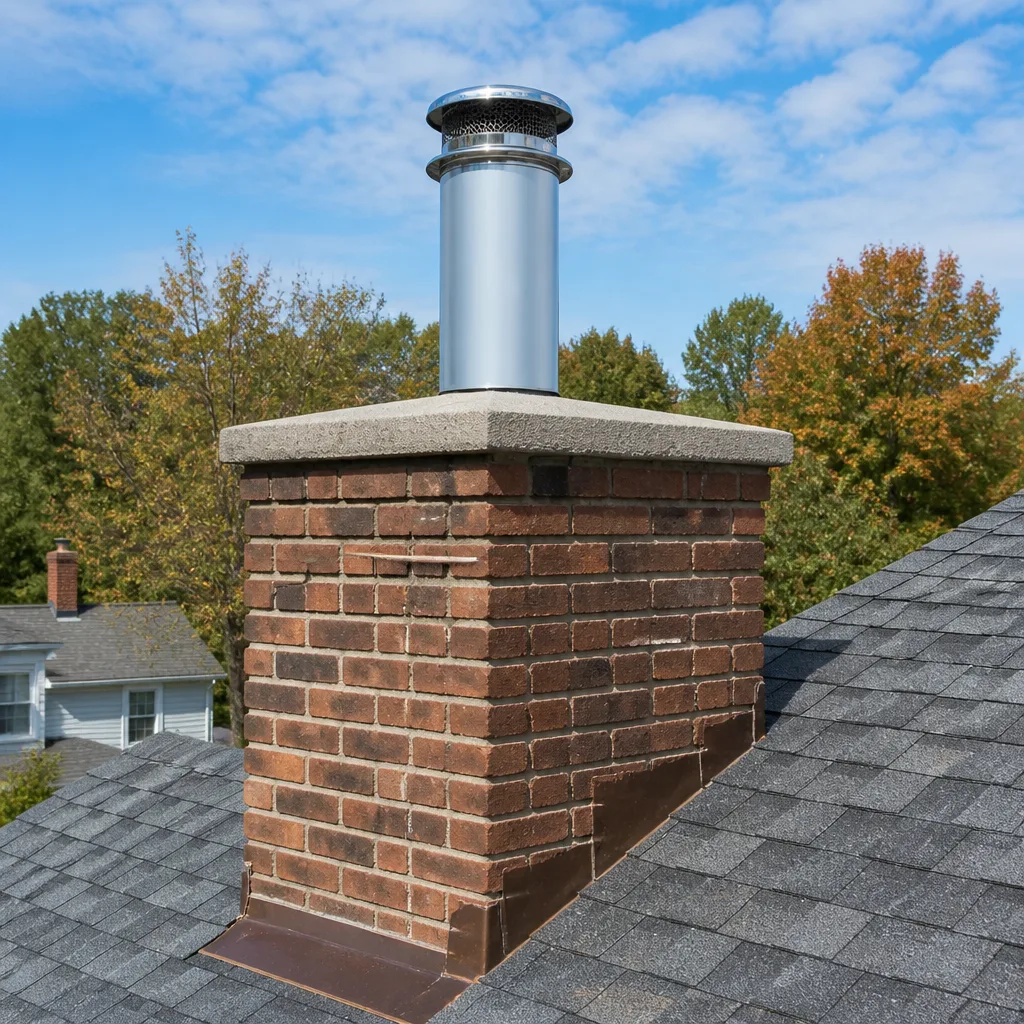 Flue relining
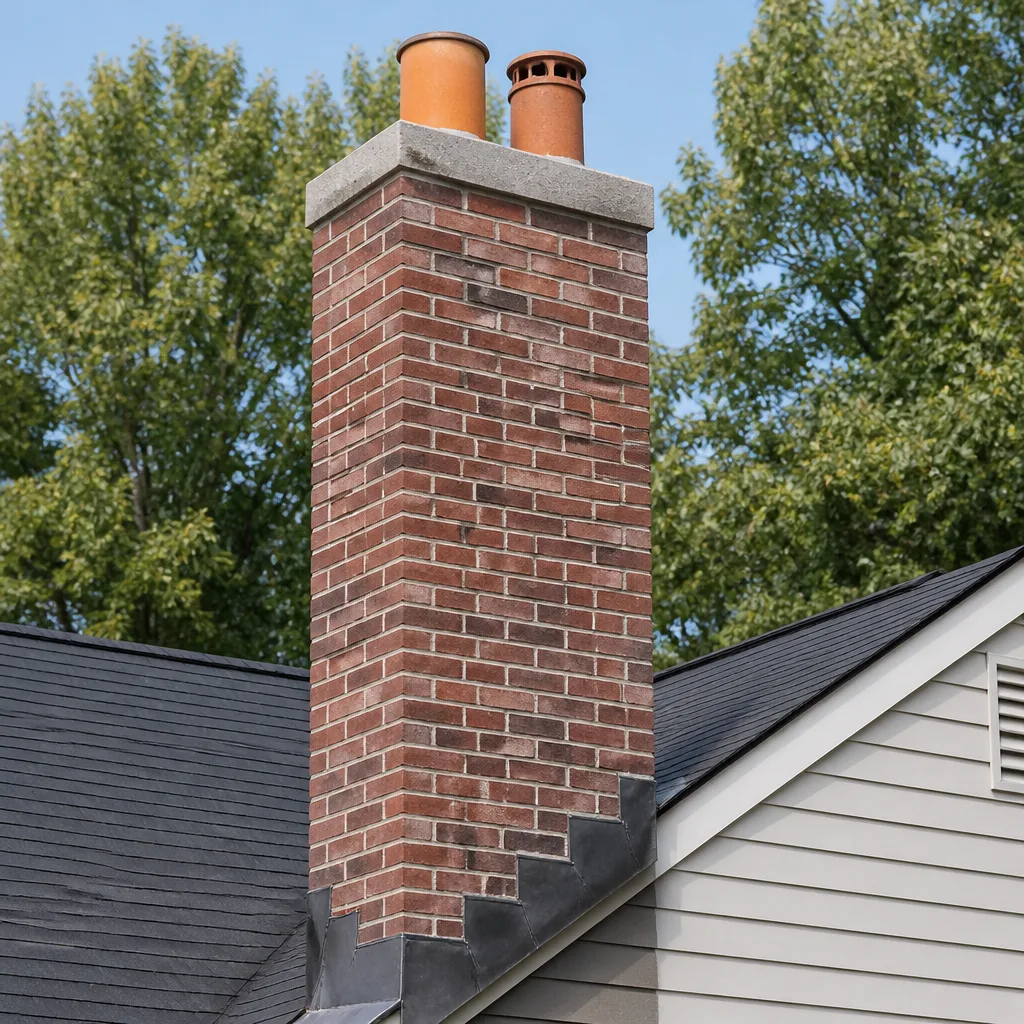 Masonry repair
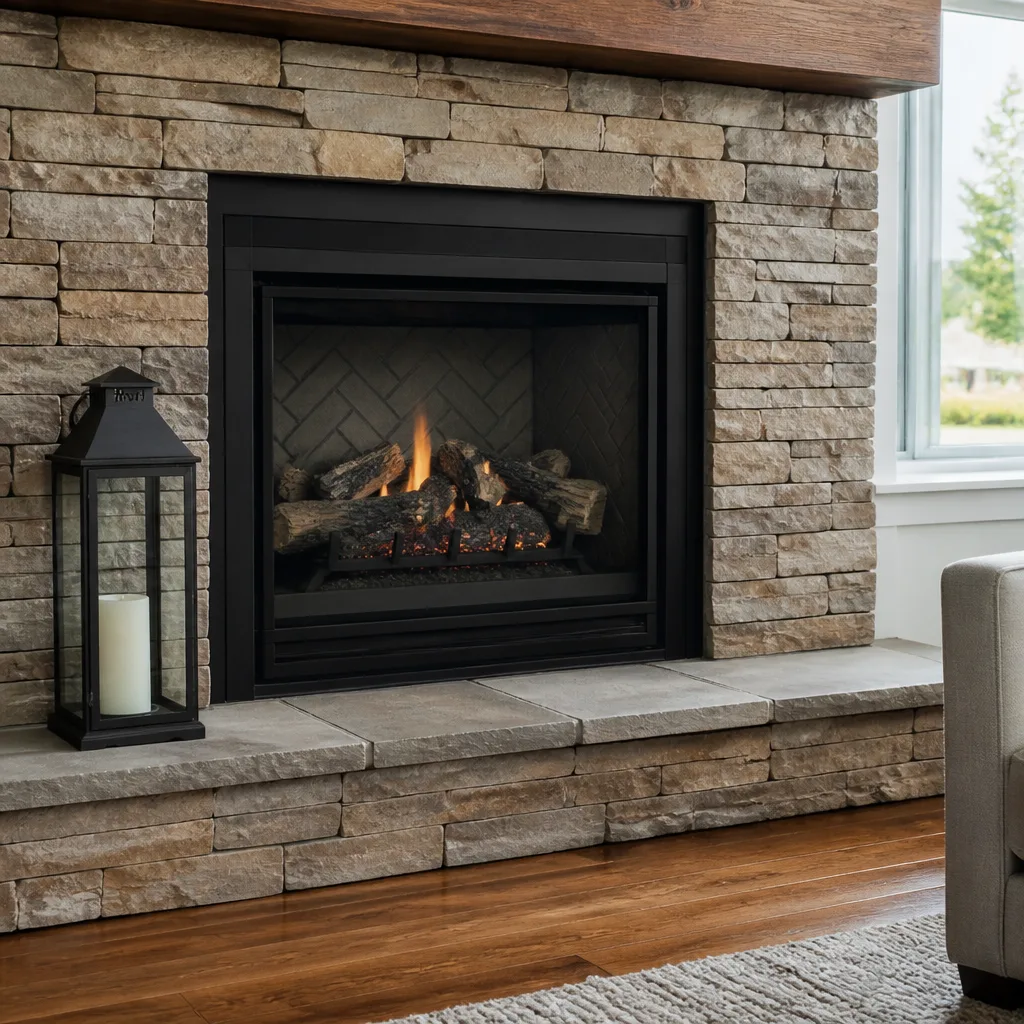 Gas fireplace service
Level 1 sweep and inspection to the NFPA 211 annual standard - flue, crown, cap, and flashing checked and photographed
Chimney sweep logs do not sweep chimneys. They loosen some creosote - which then falls where a brush and vacuum still have to collect it.
Chimney Cleaning Warning Signs: A Garden Oaks Homeowner’s Reference Guide
Most homeowners think a chimney problem shows up as smoke in the living room. In our experience, it rarely does. The dangerous part of a chimney fails quietly, and the clues show up weeks or months before anyone smells smoke. Garden Oaks sits in a warm, humid pocket of Houston where a chimney sits idle for eight or nine months, then gets worked hard for a short stretch of cool weather. That rhythm hides problems well. In this guide we walk through the warning signs you can spot yourself, without tools or training, so you know when to book a chimney cleaning and when you can wait. Nothing here is meant to scare you into service. It’s meant to make you a better judge of your own chimney.
Quick Answer
Chimney cleaning warning signs in Garden Oaks usually show up in one of four places: a heavy, flaky black deposit inside the flue known as third-stage creosote, a lingering smoky or musty smell even when the fireplace is cold, water staining or crumbling mortar on the exterior masonry, or reduced draft that pushes smoke back into the room. Any one of these is a reason to book an inspection. Visible glazing or tar-like creosote and a blocked or damaged flue are the signs that call for service now rather than at the end of the season.
Styles & brands we work with
- Sweep & inspection
- Caps & crowns
- Flue relining
- Masonry repair
- Gas fireplace service
Table of Contents
- The Three Creosote Stages and How to Spot Each One
- Reading Fireplace Odors: Normal Smell vs. a Warning
- Exterior Warning Signs You Can See From the Ground
- Interior Warning Signs: What to Check in the Firebox
- Immediate Service vs. Next-Season Scheduling
- Why the Garden Oaks Climate Shapes Chimney Problems
- What a Proper Inspection Actually Covers
- Common Mistakes to Avoid
The Three Creosote Stages and How to Spot Each One
Creosote is the residue left behind when wood smoke cools inside the flue. It builds in layers, and its texture changes as it thickens. Knowing the three stages lets you describe what you’re seeing to a technician and get an accurate picture of urgency before anyone arrives. In our experience the texture is the giveaway: soft and powdery is routine, hard and shiny is not.
Here’s how each stage typically presents:
- First-stage creosote: a soot-like, dusty gray or black powder you can wipe away with a dry cloth. It’s the lightest deposit and builds up fastest in a chimney that burns a lot of smoky fires. This is normal between cleanings and usually the level you find when creosote is fresh.
- Second-stage creosote: darker, crusty flakes that look like broken charcoal or dry leaves. A flashlight beam will show this as a rough, dull layer clinging to the flue wall, sometimes with a brittle edge you could flake off with a light touch. This is the point where the buildup starts restricting draft and warrants a professional sweep.
- Third-stage creosote: a hard, glossy, tar-like glaze, often with a puffy or bubbled surface. It reflects light back at you like a dark mirror and feels sticky or rock-hard. This is the stage tied to chimney fires, because the deposit is dense and concentrated fuel. It needs specialist removal rather than a household brush, and we treat it as a service-now signal.
Smell matters too. Fresh soot is a faint charred-wood smell. Third-stage creosote smells acrid, sharper, and stuck to the walls of the room near the firebox. If the flue or firebox has a shiny, tar-like look, don’t test it. Leave the inspection to a trained technician and call Chimney Sweep Garden Oaks for an assessment.
Reading Fireplace Odors: Normal Smell vs. a Warning
A wood-burning fireplace never goes completely odor-free, and that’s fine. What matters is whether the smell is old ash or something new. In a Garden Oaks home where a fireplace sits unused through much of the year, the smell usually tells you which kind of problem you’re dealing with before you see anything. Here’s how to separate a normal fireplace smell from a warning sign.
- Normal: a faint charcoal or wood-smoke smell right after a fire, strongest in cool weather, fading within a day or two as the firebox dries out. This is just the ash and soot you already know about.
- Moisture intrusion: a musty, damp, or earthy smell, often with dark patches on the refractory brick or a wet look around the damper. That combination points to water getting in, usually through a failing crown or a missing cap. If it’s a persistent damp smell, it’s time to call a technician.
- Animal presence: a musky or ammonia-like smell, scratching sounds at dusk, or twigs and debris sitting on the smoke shelf. Birds and small animals enter through uncapped flues, and a chimney cap is the standard fix.
- Active creosote concern: a sharp, tarry, chemical smell coming from the flue wall that lingers even when the fireplace is cold. That’s a sign of heavy built-up residue, and it should prompt a cleaning before the next fire.
If you’re not sure which category your fireplace smell falls into, a flashlight inspection of the flue and firebox, combined with a professional eye, will settle it. We can check the whole system and confirm it with a camera inspection you can look at yourself. Our Chimney Sweep Garden Oaks team handles that thoroughly. The point isn’t to alarm you. It’s to make the guesswork go away.
Exterior Warning Signs You Can See From the Ground
The outside of a chimney tells a story long before the inside does. Some of the most important warning signs can be spotted from your own driveway, with no ladder and no tools. In Garden Oaks, where homes sit close together with mature oak canopies overhead, we often get a clear look at exterior masonry while walking the property with the homeowner.
Here’s what to look for on a simple walk-around:
- Spalling: the brick face breaking off in flakes or chunks, leaving a pitted, crumbling surface. This usually means moisture has soaked in and the brick is failing at the face. It’s a repair sign, not a chimney fire risk, but it leads to bigger problems if ignored.
- Efflorescence: a white, powdery, salt-like stains on the brick. This is moisture moving through the masonry and evaporating at the surface. On its own it’s cosmetic, but paired with a soft or crumbling brick face it warns of water intrusion.
- Crown cracking: the concrete cap at the very top splitting, flaking, or separating from the masonry below. A cracked crown lets water run straight down into the flue system. If the crack is wide enough to open into the flue, that’s a call-now sign.
- Rust or staining on the cap and flue: a stainless cap or flue top that’s rusting, or dark streaks running down the brick, points to water exposure or a failing chimney cap & crown assembly.
- Missing or broken cap: an uncapped flue is an open doorway for rain and animals. That’s the simplest fix on this list, and it protects the whole system.
Most of these can be corrected with the right materials. We install and work with Gelco and Famco caps, among other professional-grade brands, so the finish lasts. None of the exterior signs on this list should make you panic. They should prompt you to get a proper look inside the flue.
Interior Warning Signs: What to Check in the Firebox
You don’t need to climb a roof or peer up a flue to spot a checklist’s worth of interior clues. A simple look at the firebox and damper area, done with a flashlight and a careful eye, will tell you whether a service call is due or whether the system looks healthy. This is what we walk homeowners through when they call about a concern. Here’s the safe version of what to look at:
- Firebox brick and mortar: look for loose or missing mortar joints, cracked brick, and gaps where the smoke chamber meets the firebox. Small hairline cracks in the firebrick are common after years of heating, but widening cracks or missing pieces are warning signs.
- Damper movement: open and close the damper and listen. It should move smoothly and seal cleanly. A stuck, loose, or badly warped damper interferes with the draft and is worth a repair.
- Dark stains or watermarks: streaks or damp spots on the firebox walls point to moisture coming down the flue, a symptom that often traces back to a cracked crown or a missing cap.
- Debris on the smoke shelf: a pile of leaves, twigs, or soot collected behind the damper. This blocks smoke from exiting and is a common sign of animals or a cap that’s failing.
- Glassy residue: the tar-like glaze of third-stage creosote on the firebox or visible flue wall. Treat this as a call-now signal.
What we don’t recommend is reaching into the flue to test or scrape a deposit yourself. The flue is a confined, sooty space, and removing heavy creosote requires the right brush and drop cloths to contain the mess. If something looks wrong, leave it for the technicians. Compare that with small wear items like a worn fireplace grate, which any homeowner can inspect and replace without a professional.
Immediate Service vs. Next-Season Scheduling
One of the most useful things a homeowner can learn is the difference between a sign that means stop and one that means watch. Most chimney issues are not emergencies. A handful are. Getting that sorting right is what keeps you from overspending on a slow problem and from putting off a fast one. Here’s the straightforward split.
These warning signs call for service now:
- Shiny, tar-like, black third-stage creosote visible in the flue or on the firebox wall.
- Smoke pushing back into the room when you open the damper, or a persistent smell of smoke even when the fireplace is cold.
- Any visible damage to the flue liner: cracked tile, gaps, or a broken section.
- A blocked or animal-clogged flue.
- A crown crack that exposes the top of the flue to running water.
- A carbon monoxide alarm sounding near a gas-burning fireplace or insert. Leave the home and call for help, then call us to inspect.
These signs can usually wait for a scheduled visit at the end of the season:
- Light first-stage soot between annual cleanings, with no smoke problems.
- A minor, shallow crown crack that isn’t open to the flue, monitored over the next month.
- Cosmetic efflorescence with no crumbling brick behind it.
- A cap that’s intact but rust-stained and due for a look on the next appointment.
When in doubt, book the inspection. On gas inserts and open lined flues, carbon monoxide is colorless and scentless, so a professional check is the only reliable way to rule it out. We answer 24/7. A call outside dispatch hours is booked into the next opening, Sunday through Friday, 7am to 7pm.
Why the Garden Oaks Climate Shapes Chimney Problems
A chimney is built for frequent, cold-weather fires. In Garden Oaks, the fireplace gets a different life. Most homes light a fire a season’s worth of cool nights, then leave the flue cold and dark for the rest of the year. That’s a mild weather pattern, but it creates specific chimney risks. When a flue sits idle in humid, warm air for months, moisture moves through the masonry from the outside in. That shows up as efflorescence and spalling on the exterior, and as a damp, musty smell when you finally open the damper for the first fire of the year.
Two practical consequences follow. First, the first fire of the season in a Garden Oaks home is often the moment a dormant problem announces itself, because that’s when the flue heats up and dormant creosote and moisture move. Second, a chimney crown that sits through months of summer rain (and the occasional overnight shower) gets worked harder than a chimney in a drier climate. A cracked crown in Garden Oaks isn’t cosmetic for long. Water runs into the flue, wets the liner, and leads to the musty smell and stained masonry you’d otherwise overlook. We recommend a look at the crown and cap as part of every seasonal check. That’s why a professional sweep in this climate is less about the ashes and more about the water and the residue.
The practical advice: schedule your annual inspection before your first cool-weather fire, not after. That gives time to catch moisture damage and heavy creosote before they meet a hot flue. When we work in Garden Oaks, we check the full system in one appointment and tell you what your chimney actually needs. From the firebox to the cap, we handle it.
What a Proper Inspection Actually Covers
An inspection isn’t a sweep, and a sweep isn’t an inspection. Knowing which one you’re booking helps you judge whether a company is thorough. A proper inspection follows NFPA 211 guidance and looks at the whole system, not just the firebox floor. Here’s what it should cover when we inspect a chimney in Garden Oaks.
- The firebox and damper: the visible brick, the damper’s operation, and the smoke shelf.
- The flue: a camera inspection of the lining, checking for cracked tile, gaps, and the creosote stage. We show you the photo report afterward, so you can see what we see.
- The crown and cap: the top of the assembly, from inside and out, checking for cracks, stains, and missing or damaged caps.
- A draft test: a check of how the system pulls, which reveals a blocked or undersized flue.
- A written report: what’s safe, what needs cleaning, and what needs repair. Nothing is recommended without camera evidence you can review yourself.
If a problem shows up on the camera, we discuss the fix and what it costs. That might be a DuraFlex flexible liner for an aging flue, or HeatShield ceramic resurfacing to restore damaged tile without a full relining. Both are the same materials certified chimney professionals specify nationwide. If the camera shows nothing serious, we tell you so, and the price is set per job by the written estimate. One company for the entire chimney system means you’re not calling a separate handyman to patch the work later.
Common Mistakes to Avoid
We’ve walked into plenty of Garden Oaks homes where a chimney problem had been “handled” and left half-finished. Here are the ones we see most, and what to do instead.
- Waiting for smoke to call. Smoke in the room is a late sign. By then, draft is already compromised. Book an inspection on texture and smell, not just performance.
- Assuming an annual “clean out” is enough. A sweep without a camera inspection misses a cracked liner and hidden water damage. Ask for both.
- Burning green or unseasoned wood to save money. Damp wood produces far more creosote per fire than dry wood. In this humid climate, wood that spent the summer uncovered at the recycling center will build deposits faster than you’d expect.
- Trusting the cap to take care of itself. A cracked or missing crown is the most common exterior sign we see in Garden Oaks. Water damage starts at the top of the chimney, not the firebox.
- Using a general handyman for repair work. Resurfacing a flue with HeatShield or installing a DuraFlex liner requires training and the right materials. A generalist patch won’t last, and may make a repair harder later.
- Skipping the inspection after a clog or animal intrusion. Debris on the smoke shelf is a warning sign, not a quick cleanup. Have the cap and flue checked before the next fire.
- Ignoring a musty smell because it “goes away.” A damp smell that fades in dry weather hasn’t resolved. It’s simply waiting for the next storm. Get it traced to a source.
None of these are rare, and none of them make you a bad homeowner. They’re the normal shortcuts a busy household takes. The fix is usually simple: one call and a proper inspection.
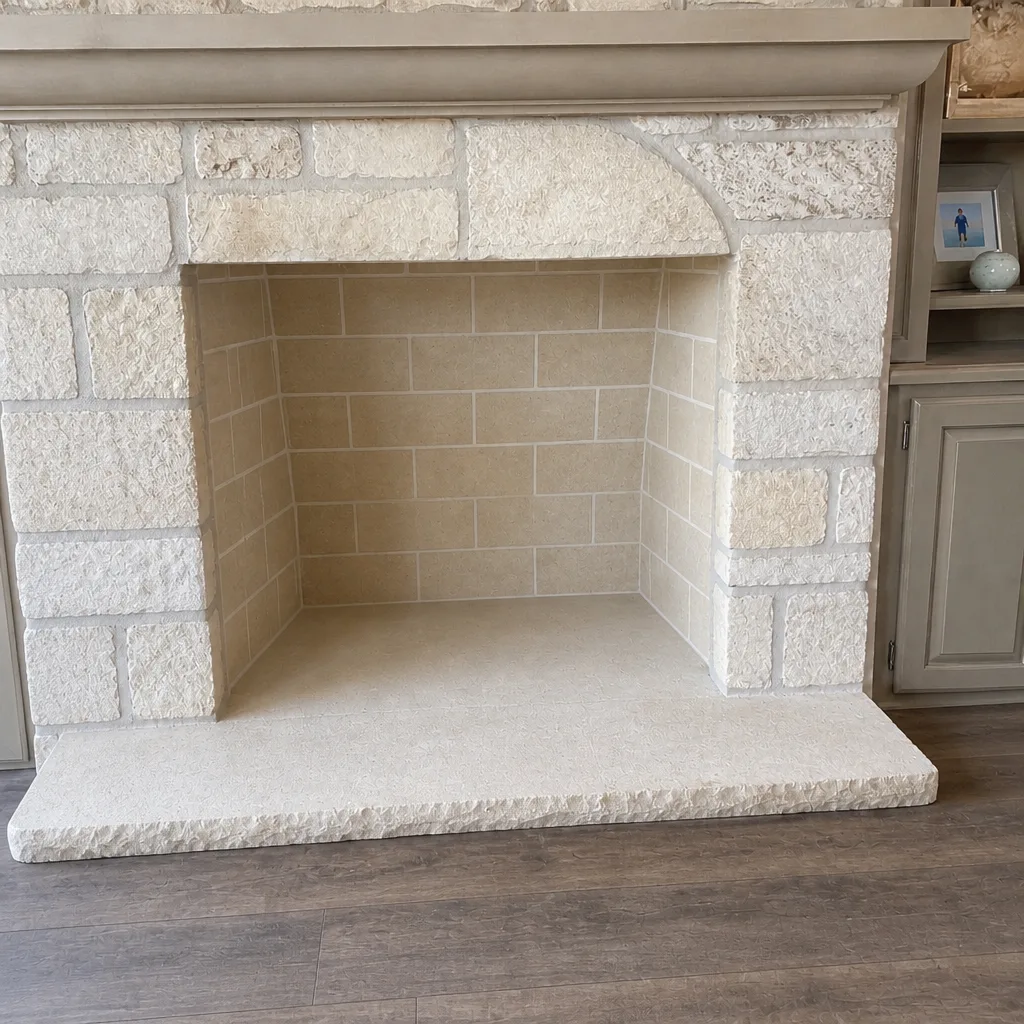
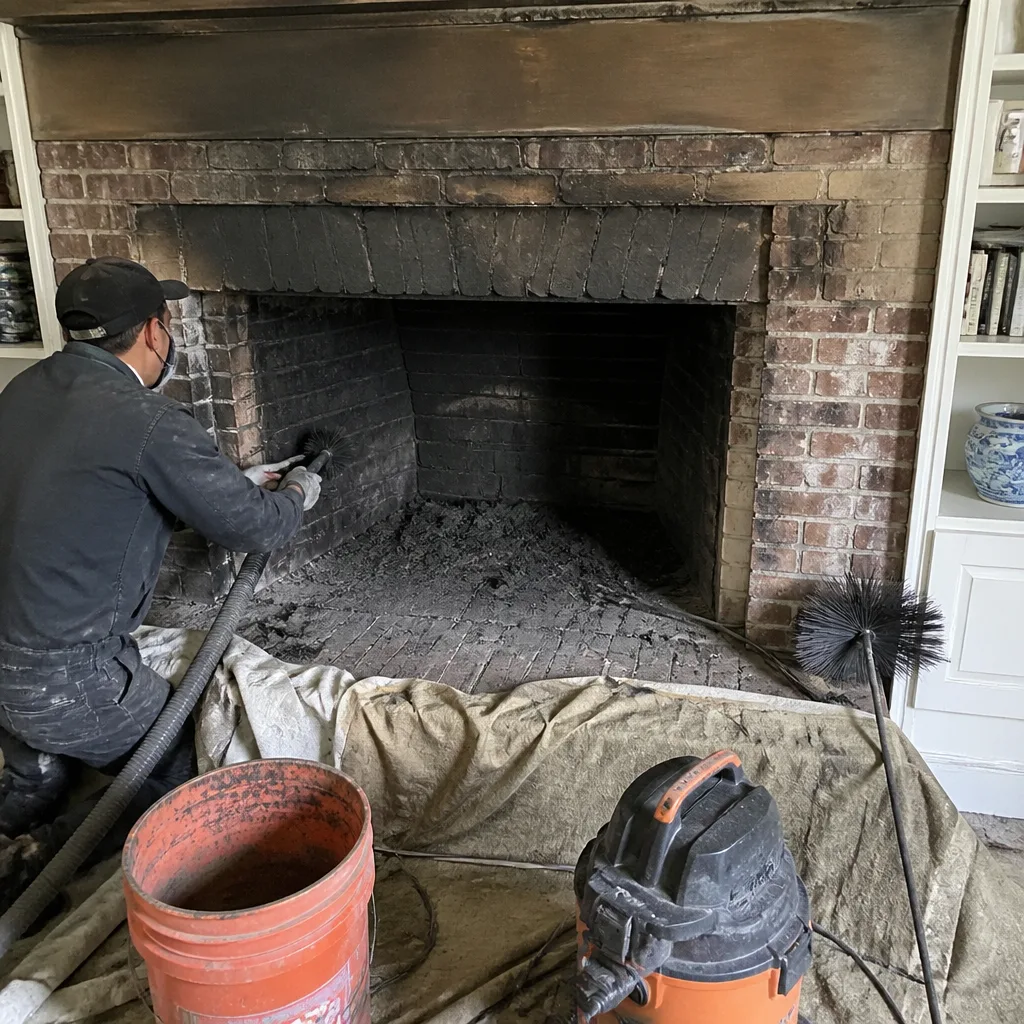
See the difference
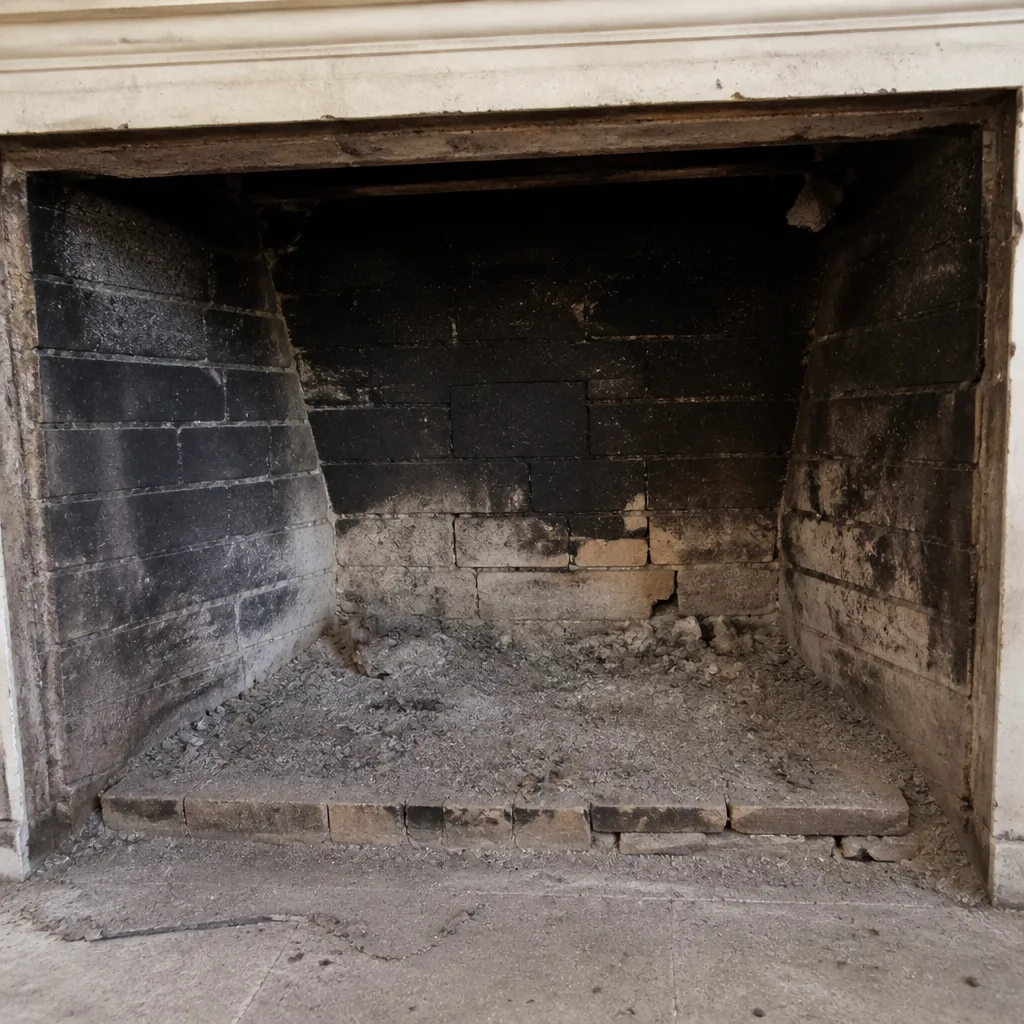 Before
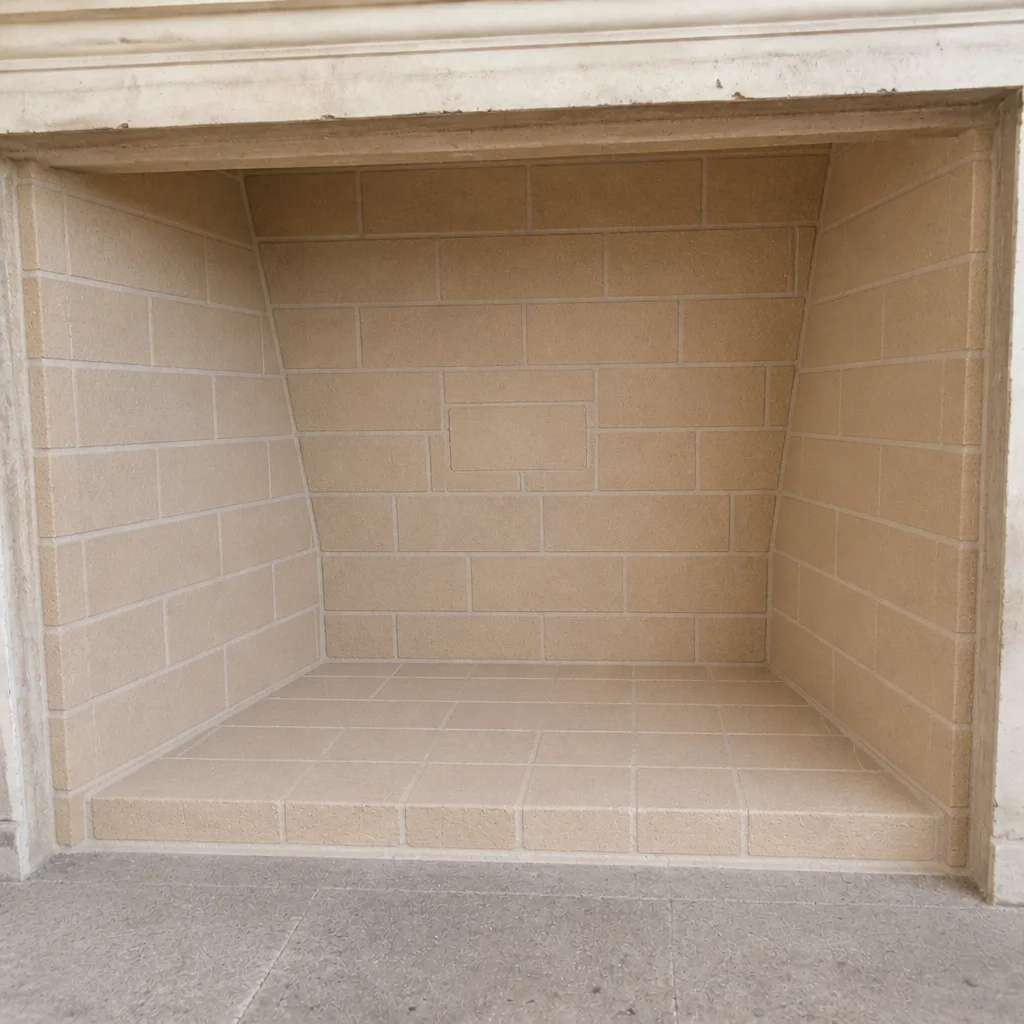 After
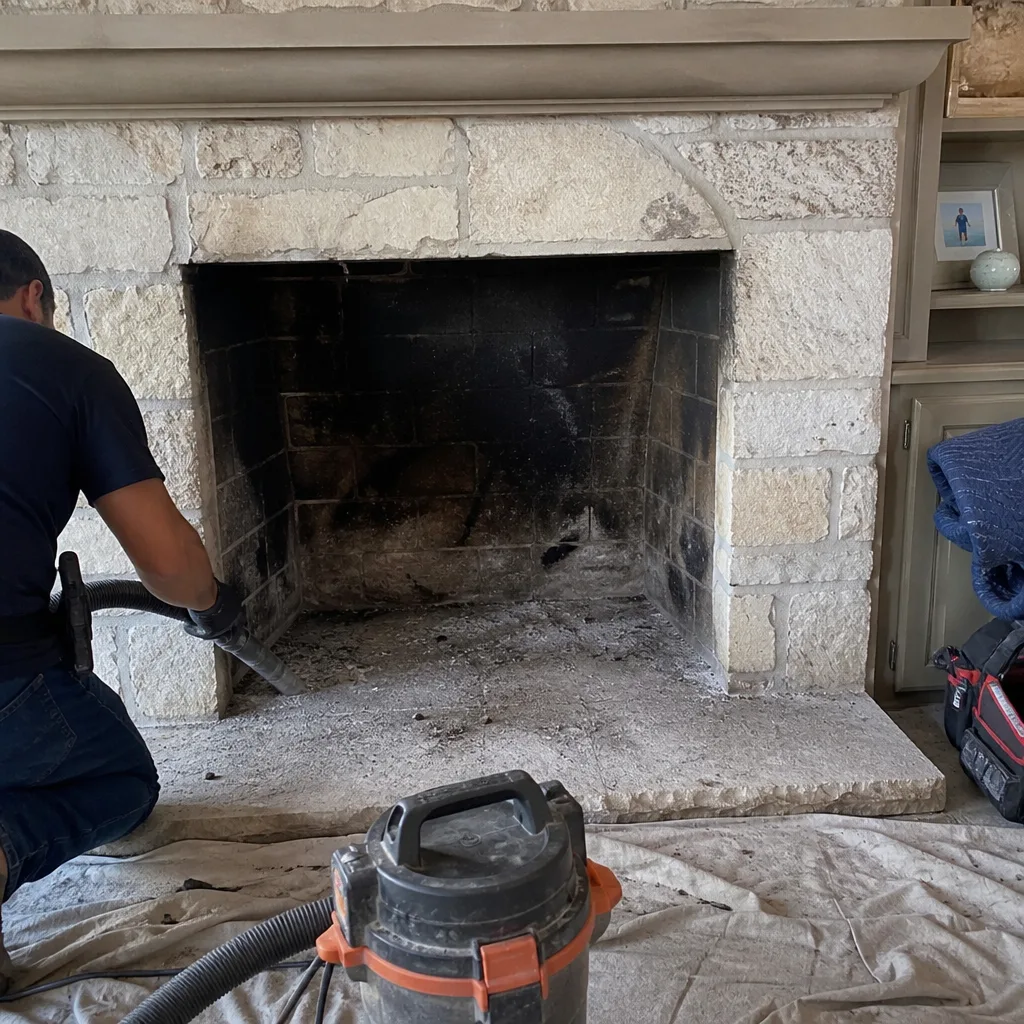 Before
 After
 Before
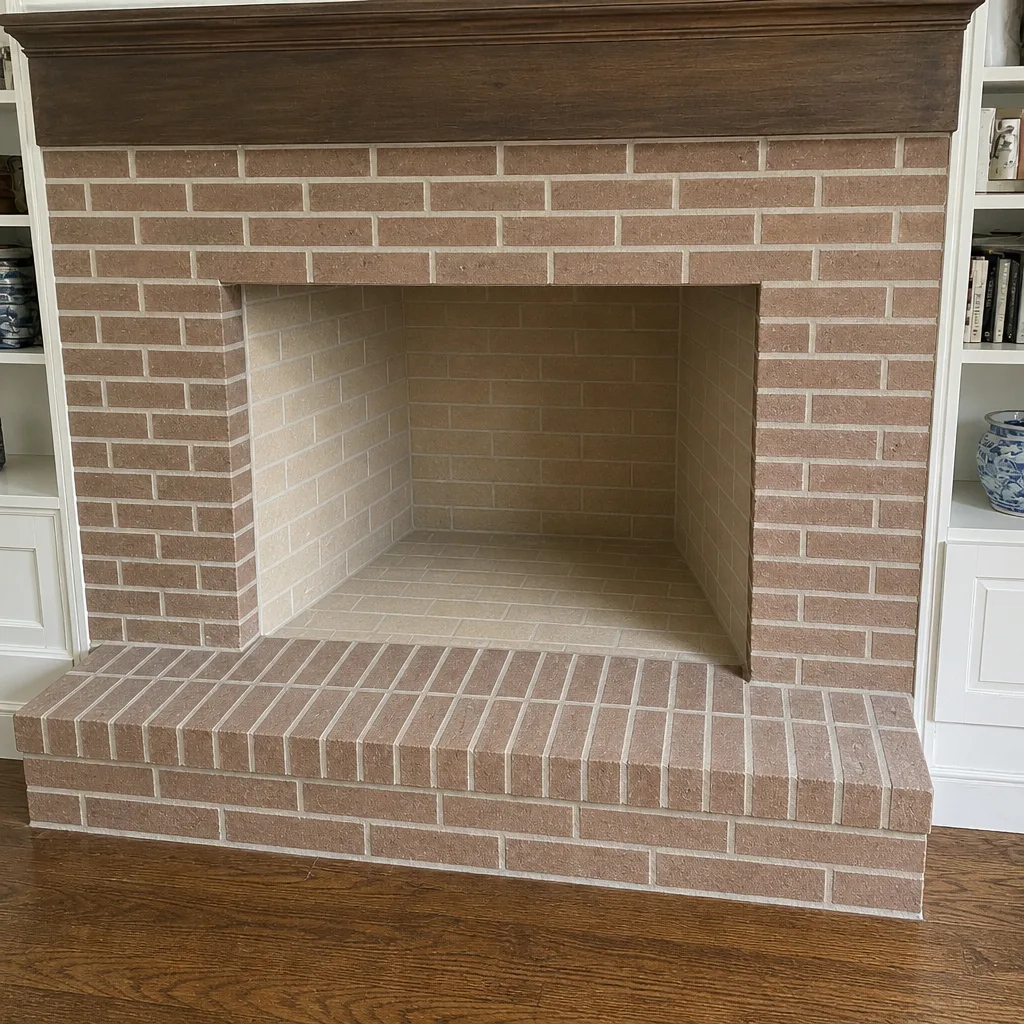 After
When to Call a Professional
Some signs are clearly DIY-watchable, and some are calls you should make today. Call us when you see glossy, tar-like creosote in the flue or firebox; when smoke pushes back into the room; when you find cracked tile or a gap in the liner; when a smell lingers well past the last fire; when you spot a crown crack running down into the flue; or when an animal has found its way in. Also call when you’re just not sure and want a professional eye. Chimney Sweep Garden Oaks offers free estimates in Garden Oaks, call (844) 299-4971. Our technicians have up to 14 years of experience, and we inspect the full system with a camera and a photo report. If your chimney is fine, we’ll tell you so and recommend nothing more.
Frequently Asked Questions
The earliest warning signs of a chimney needing cleaning are a heavy flaky or crusty creosote deposit on the flue walls, a lingering acrid smell even when the fireplace is cold, and less draft than you remember. If you see the rough, dry-charcoal look of second-stage creosote, it’s time to book a sweep. Call (844) 299-4971 for a free estimate and a camera inspection you can review yourself.
A chimney sweep in Garden Oaks is priced per job by a written estimate, and we don’t quote a fixed number until we’ve inspected the system, because the cost depends on creosote stage, flue layout, and whether any repair is needed. The estimate is free and the price is set in writing before we book. Call (844) 299-4971 for an exact quote on your chimney.
The general guidance is once a year, but a Garden Oaks chimney that sits idle most of the year can still accumulate enough creosote to need a sweep before the first fire. We recommend a professional inspection once per season and a sweep whenever the deposit reaches the crusty second stage. Call (844) 299-4971 to schedule.
You can spot the warning signs (glassy creosote, water staining, smoke pushing back), but you can’t confirm a liner is damaged without a camera look inside the flue. If you’ve been told you need a liner, ask for the camera evidence. We use DuraFlex flexible liner systems or HeatShield resurfacing when the situation calls for it. Call (844) 299-4971 for an inspection.
If a chimney is skipped, creosote keeps building until it reaches the dense, tar-like third stage, which is the fuel load tied to chimney fires, and a damaged liner can allow carbon monoxide into the home. It’s not an emergency on day one, but the risk grows with each season of buildup. Call (844) 299-4971 for a free estimate.
A musty smell near the fireplace usually points to moisture entering the flue or a cap or crown problem, so it’s worth a look, though it’s rarely an emergency. A damp smell with dark stains or a wet firebox warrants a professional inspection before the next fire. Call (844) 299-4971 for an assessment.
A cracked crown is usually repaired rather than the whole chimney rebuilt, and the right fix depends on how far the crack runs. If the crack opens into the flue, it needs attention before the next storm. We install Gelco and Famco caps and crowns and repair masonry as part of one job. Call (844) 299-4971 for a free estimate.
The Bottom Line
In Garden Oaks, chimney problems announce themselves in advance: the texture of creosote, a musty smell, a cracked crown, a draft that feels weaker. Learning those signs lets you book service at the right time rather than after a scare. Watch for the tar-like third-stage creosote, water staining, and smoke that won’t leave the room, and treat those as a call today. Minor soot, light stains, and a shallow crown crack can wait for a seasonal inspection. Our technicians have up to 14 years of experience and inspect the full system with a camera. If the evidence says your chimney is fine, that’s what we’ll tell you.
Chimney Sweep Garden Oaks offers a free estimate on any chimney or fireplace work, from a routine chimney sweep to fireplace repair. Our team stocks and installs professional-trade products from brands like Olympia Chimney and Copperfield, and we use HeatShield ceramic resurfacing and DuraFlex liners when the job calls for them. We answer 24/7. Fast dispatch from 7am to 7pm, Sunday through Friday. Call (844) 299-4971 to book your inspection in Garden Oaks and find out what your chimney actually needs.
Written by the team at Chimney Sweep Garden Oaks.