
Last updated November 22, 2026
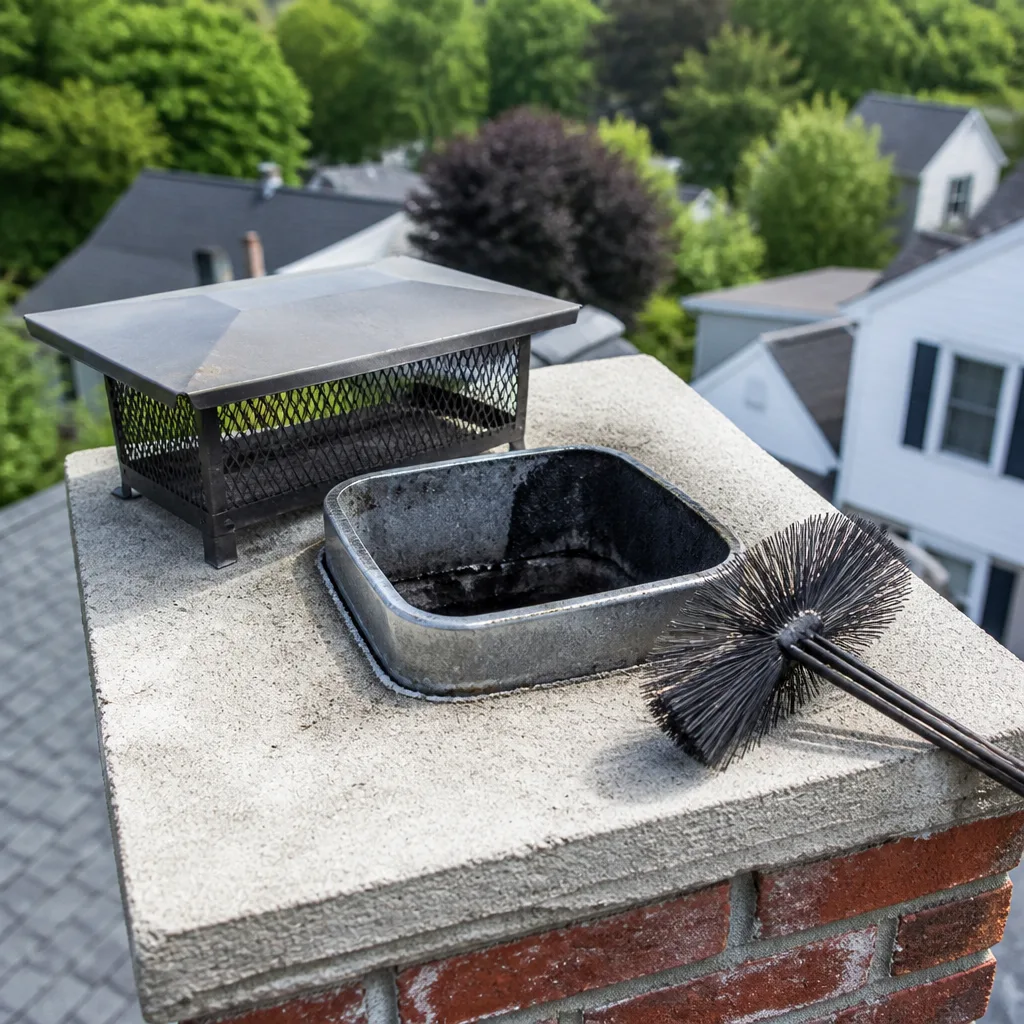 Sweep & inspection
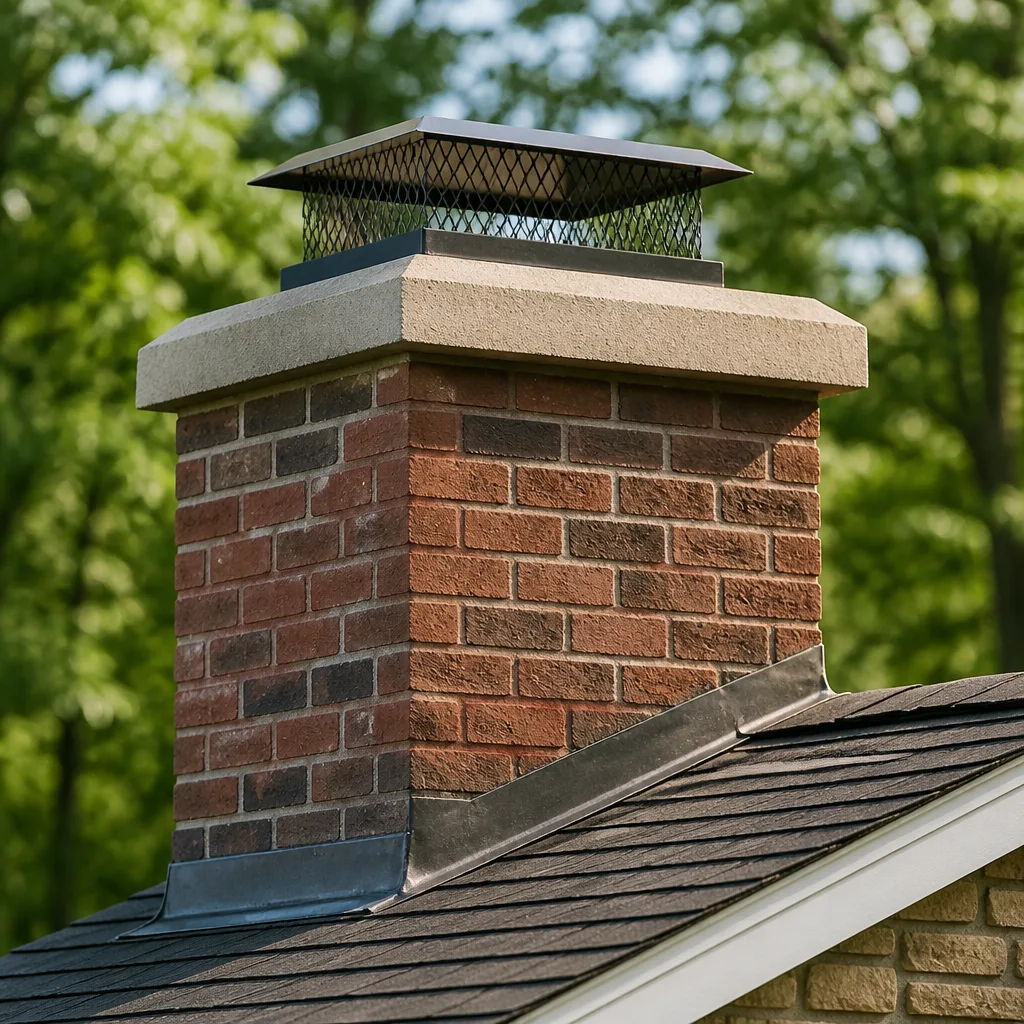 Caps & crowns
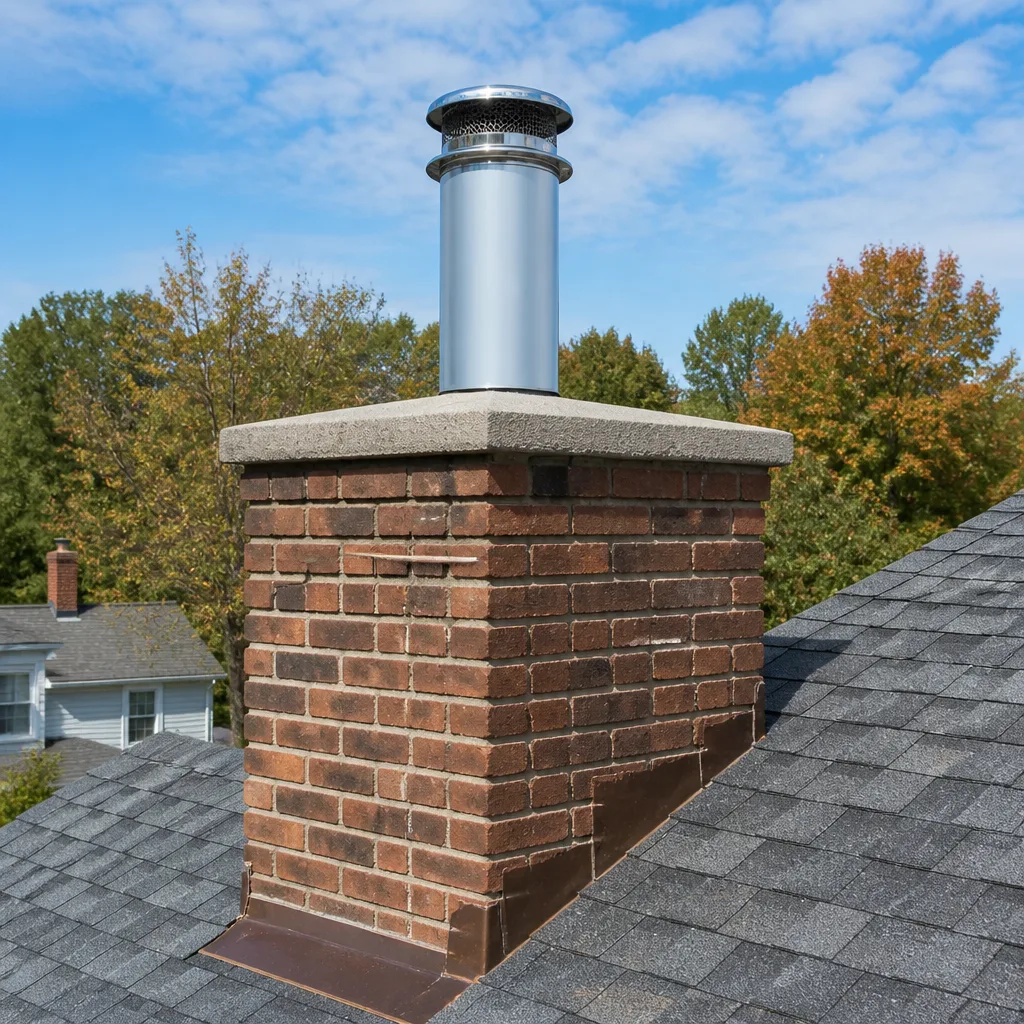 Flue relining
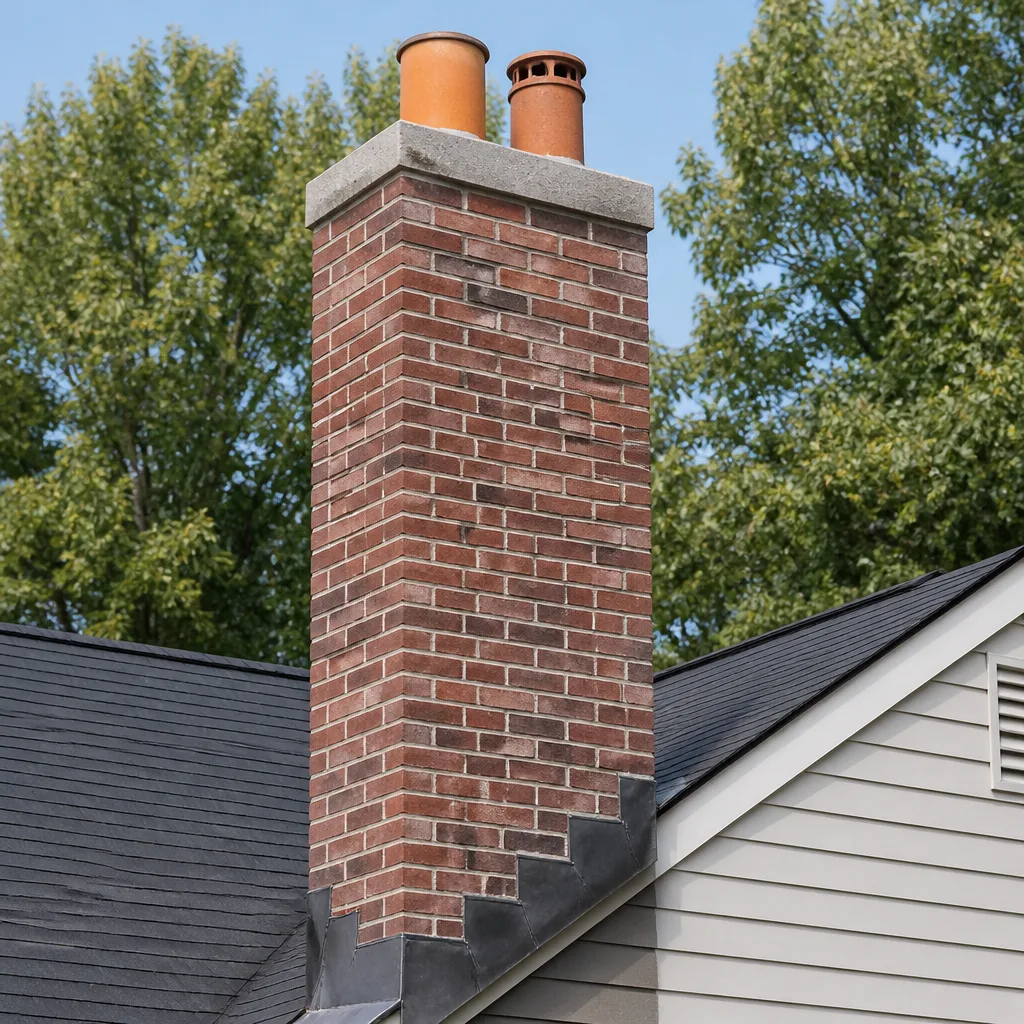 Masonry repair
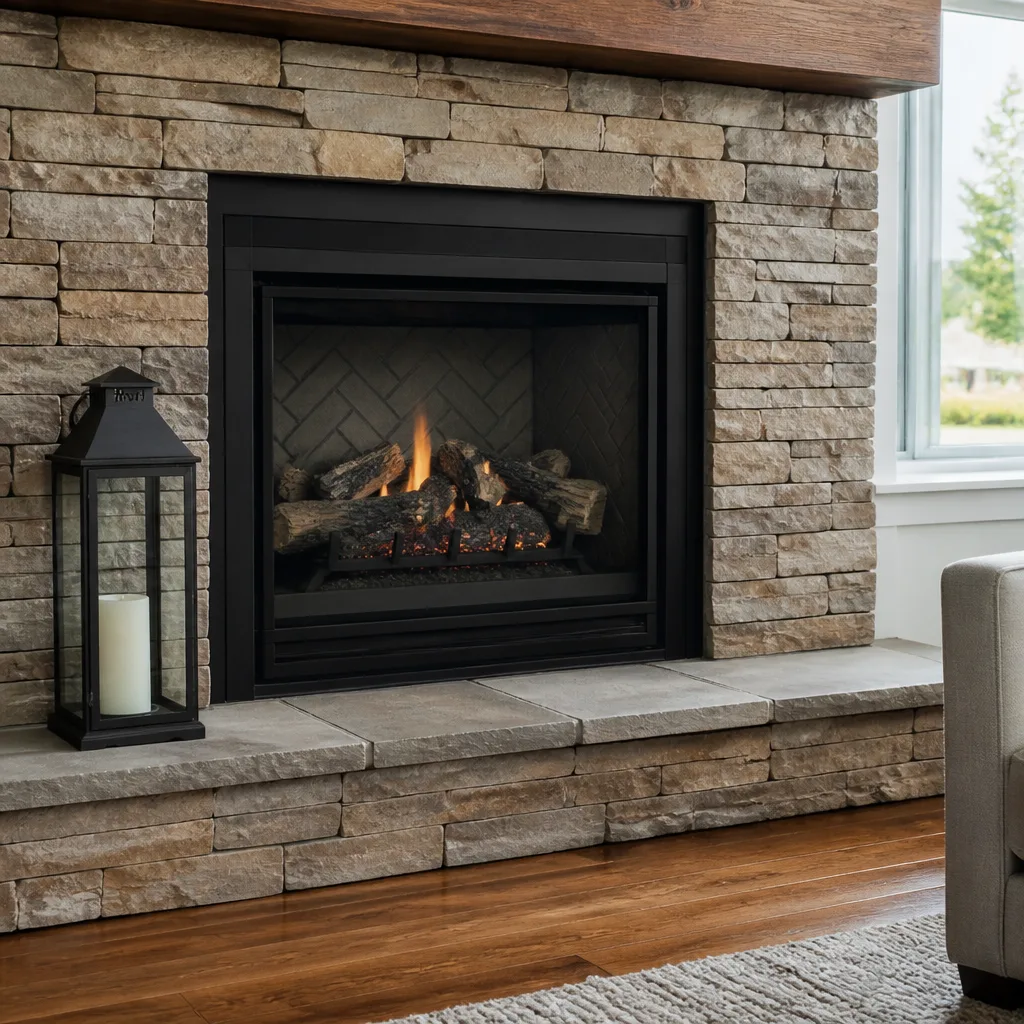 Gas fireplace service
Level 1 sweep and inspection to the NFPA 211 annual standard - flue, crown, cap, and flashing checked and photographed
Chimney sweep logs do not sweep chimneys. They loosen some creosote - which then falls where a brush and vacuum still have to collect it.
DIY vs Professional Chimney Cleaning: The Garden Oaks Homeowner’s Decision Guide
Chimney brushes and rods are available online for under $50, and the basic mechanics of sweeping a flue are learnable. What those tutorials don’t cover is what you’re supposed to do when you find something wrong, which is exactly when DIY becomes a liability instead of a savings. A brush can knock soot off a flue wall. It cannot tell you whether the clay tile behind that soot is cracked, whether the smoke chamber is pulling correctly, or whether the creosote you just scraped is the kind that ignites. This guide walks through the narrow conditions where DIY sweeping makes sense in Garden Oaks, what a professional actually checks that consumer tools cannot, and the decision framework we use when a homeowner asks us whether they should just do it themselves.
Quick Answer
DIY chimney cleaning is only reasonable when your chimney is masonry or factory-built, has been professionally inspected within the last year, burns well-seasoned wood, and shows no signs of creosote glaze, liner damage, or drafting problems. For most Garden Oaks homeowners, a professional sweep is the safer and more cost-effective choice because the value isn’t in the brushing, it’s in the inspection and documentation that come with it. If your chimney has never been inspected, has a cracked flue tile, or produced a chimney fire, DIY is not appropriate and you should call a professional.
Styles & brands we work with
- Sweep & inspection
- Caps & crowns
- Flue relining
- Masonry repair
- Gas fireplace service
Table of Contents
- Why DIY Chimney Cleaning Is Narrower Than It Looks
- When DIY Chimney Sweeping Is Actually Reasonable
- What Professionals Check That You Cannot
- The Real Cost of a DIY Attempt That Misses a Problem
- Rooftop Realities in Garden Oaks: Pitch, Height, and Heat
- The Decision Framework: X vs Y
- Consumer Tools vs Professional Equipment
- Common Mistakes to Avoid
- When to Call a Professional
- Frequently Asked Questions
Why DIY Chimney Cleaning Is Narrower Than It Looks
The gap between a YouTube tutorial and a real flue is bigger than it appears on a screen. A tutorial shows a clean, straight, accessible flue being brushed from the top. What it does not show is what to do when the brush hits an offset, when the damper frame blocks access to the smoke chamber, or when the debris you dislodge is Stage 3 creosote that needs chemical treatment before it can be safely removed at all. Those aren’t edge cases. They’re ordinary conditions in older Garden Oaks homes where the fireplace has been remodeled, the flue has an offset, or a gas insert was added without re-evaluating the flue system.
There’s a second issue that rarely gets mentioned: what you do with what you find. If you sweep your own chimney and discover a hairline crack in a flue tile, you now own a judgement call about whether that crack is a fire hazard in the making or a non-issue. That judgement is exactly what a trained technician is paid to make, and it’s what separates a routine sweep from a safety inspection. The sweep is the easy part. The reading of the flue afterward is the work.
In our experience across Garden Oaks, the homeowners who get the most from DIY are the ones who already have a recent professional inspection on file and know exactly what condition their flue is in. Everyone else is brushing blind. At Chimney Sweep Garden Oaks we tell homeowners plainly that DIY is fine for a routine annual brush on a chimney we’ve already cleared, and it’s the wrong call the moment anything is uncertain.
When DIY Chimney Sweeping Is Actually Reasonable
DIY chimney sweeping is reasonable when the chimney meets every one of the conditions below. If even one is missing, treat it as a professional job.
- You have a documented inspection from the last 12 months. A written report or a photo record showing the flue tiles, smoke chamber, damper, crown, and cap are in serviceable condition.
- You burn only well-seasoned, dry firewood. Wood with a moisture content around 20% or lower produces less creosote. Wet or green wood leaves the kind of deposit that needs hands-on evaluation.
- Your flue is straight and reachable from the roof. A straight masonry flue with no offset, no insert, and a clean cap you can remove and reinstall safely.
- You know how to identify creosote stages. Stage 1 is light soot you can brush. Stage 2 is flaky, shiny buildup. Stage 3 is glazed, tar-like creosote that a brush will not remove and that requires chemical treatment or professional removal.
- You understand the rooftop work and are comfortable with it. That means a stable, correctly pitched roof surface, safe ladder placement, and no health conditions that make height work risky.
- You can inspect the flue interior yourself with a light and a camera. If you can’t see the flue tile joints and the smoke chamber shelf, you cannot confirm the sweep worked.
- You know when to stop and call. The instant you see cracking, missing mortar joints, buildup that won’t come off, or a draft that feels off, the DIY window closes.
The Garden Oaks climate works partly in the DIY homeowner’s favor and partly against it. Winters are mild, so the burning season is shorter and annual buildup is generally less aggressive than in colder climates. But mild winters also tempt people to burn on damp, cool evenings rather than commit to fully cured wood, and poorly seasoned wood can create creosote faster than the short season suggests. A chimney that stays cool between light fires builds up faster than one that runs consistently hot. If your habit is an occasional fire on a cool evening, assume you need a professional evaluation more often, not less.
What Professionals Check That You Cannot
A professional cleaning is really two services bundled together: the sweep and the inspection. Even if you’re confident in your own brushing, the check is what justifies the visit. Here are the items we go through on every chimney sweep in Garden Oaks, and why each one matters.
- Flue liner integrity. Clay tiles crack under thermal stress. A cracked tile lets heat and combustion gases through into surrounding framing. You can see soot on a liner with a flashlight; you cannot reliably judge a hairline crack without the right lighting and angle, and you cannot test the joint behind the tile.
- Smoke chamber. The shelf above the damper is where smoke turbulences form and where creosote often pools. It’s hard to reach from the roof and typically invisible from the firebox. A technician works it from the top and bottom with dedicated tools.
- Damper sealing and operation. A damper that doesn’t seat correctly pulls heated room air up the flue and sends smoke into the room. A technician checks operation, sealing, and frame condition.
- Crown and cap condition. Cracks in the crown, rusted or missing caps, and failed cap screens let water and animals into the flue. This is the most common source of long-term chimney damage we see, and it’s inexpensive to correct when caught early through chimney cap & crown work.
- Firebox and hearth. Cracked firebrick, damaged mortar joints, and hearth extension condition are all checked during the sweep and tied to any needed fireplace repair.
- Draft and pressure. A flue that drafts poorly under certain conditions may indicate a sizing issue, a blockage, or a negative pressure problem in the home. None of these are detectable with a brush.
One more item that consumer tools cannot handle: the report itself. When we finish a sweep we hand back a documented record of the flue condition, and that record matters for insurance, for future service, and for any real estate transaction. A DIY sweep leaves you with an empty bucket and a vague memory.
The Real Cost of a DIY Attempt That Misses a Problem
The real cost of a failed DIY attempt is not the money wasted on the brush and rods. It’s the cost of whatever the missed problem becomes. Two failure modes matter most.
Stage 2 or 3 creosote left in place. Stage 2 creosote looks flaky and reddish-brown and will not come off with a standard poly brush at consumer pressure. Stage 3 is glazed and tar-like and often requires chemical creosote remover. If either stage is left on the flue after a DIY attempt, you have a concentrated fuel source next to the flue wall, and the next hot fire can ignite it. A chimney fire damages the liner, the masonry, and sometimes the roof structure, and the repair after a chimney fire is far more expensive than the cleaning that would have prevented it. There is also a real carbon monoxide risk: a liner damaged by fire can let combustion gases into the living space, and that is a health hazard independent of any fire.
A cracked liner section left unnoticed. A single cracked flue tile is the second most common hazard we find on inspections. Left alone, it lets hot gases and sparks reach framing, and it lets carbon monoxide migrate into the home. The fix when caught early is often repair or resurfacing, which is far less expensive than a full reline. When caught late after a fire, the fix is a full reline and sometimes surrounding structure repair. We install DuraFlex flexible liner systems and use HeatShield ceramic resurfacing to restore flues that don’t need full replacement, and both options are available precisely because early detection changes the outcome.
The point is not that every DIY sweep causes damage. Most don’t. The point is that a DIY sweep gives you no way to distinguish the safe cases from the dangerous ones. A professional sweep, done alongside a proper inspection, does.
Rooftop Realities in Garden Oaks: Pitch, Height, and Heat
The rooftop itself is the part of DIY chimney cleaning that gets the least attention and carries the most immediate risk. Chimney access means climbing onto a pitched roof, working near the edge, and managing a heavy brush and rod set while you’re up there. That combination is the leading cause of DIY chimney injuries, not the fire or the soot.
Garden Oaks homes present specific conditions that make rooftop work harder than it looks:
- Roof pitches vary widely. Many of the older ranch-style and mid-century homes in Garden Oaks have walkable pitches, but a surprising number have steeper sections over the chimney or a low-slope section that gets slick when dew or light rain is present. Walking a steep pitch without proper anchors is genuinely dangerous.
- Chimney heights are not uniform. Some flues terminate two feet above the roofline, others much higher, and a chimney that’s taller than your ladder puts you in a position where you cannot safely set a brush from the ground.
- Heat is a real factor most months of the year. Garden Oaks summers routinely push well into the 90s and beyond, and a black shingle roof under midday sun gets far hotter than the air temperature. Heat exhaustion on a roof is a serious risk, and the work is best scheduled for early morning during warm months.
- Ladder placement is often constrained. Mature trees, low-hanging branches, and landscaping near the chimney can force awkward ladder angles that a professional is trained to work around and a first-time DIYer is not.
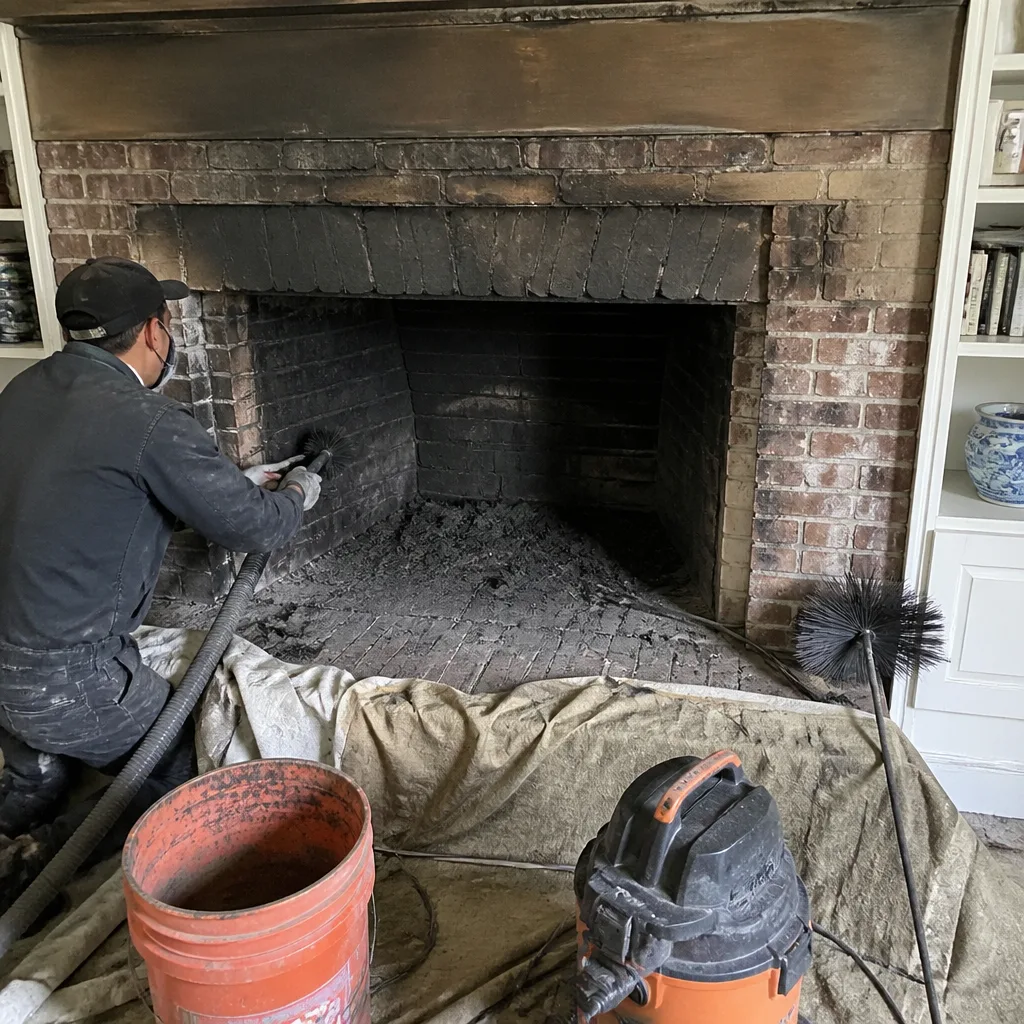
- Debris and dust fall back down. A rooftop sweep sends soot and creosote flakes back into the firebox and, in poorly sealed systems, into the living space. Professional setups include drop cloths and sealed work areas that most DIY attempts skip.
Our technicians have up to 14 years of experience working on Garden Oaks roofs, and we still treat every roof as a job-specific safety decision before we get on it. If you’re at all unsure of your footing on a pitched roof, that uncertainty is the answer to the DIY question.
The Decision Framework: X vs Y
Here is the fastest way to make the call for your own chimney. Read down the two columns and match your situation.
| Your Chimney Looks Like This (X) | Or This (Y) |
|---|---|
| Professionally inspected within the last year with a clean report | Never inspected, or inspection older than one year |
| Burning dry, well-seasoned wood only | Burning wet, green, or unseasoned wood, or burning paper and trash |
| Light, dry soot you can brush off | Shiny, flaky, or glazed creosote on the flue wall |
| Straight masonry flue, no insert, no offset | Insert installed, flue offset, or flue shared across appliances |
| Dry, walkable roof with safe ladder access | Steep pitch, awkward ladder placement, or heat concerns |
| You can see and photograph the flue interior yourself | You cannot see the flue tile joints or the smoke chamber |
| No smoke in the room, no unusual smells, no draft issues | Smoke rolls into the room, smells linger, or draft feels weak |
| No prior chimney fire | Any evidence of past chimney fire, crack, or loose mortar |
If every line lands in column X, a routine DIY sweep is reasonable as long as you know the warning signs and stop immediately if you find something. If any line lands in column Y, call a professional. Multiple Y lines mean you should schedule a sweep and inspection before the next fire.
Consumer Tools vs Professional Equipment
The difference between what you can buy online and what a professional carries is not about brand names. It’s about coverage. A consumer kit is designed to reach a straight flue from one end. Professional gear is designed to reach every part of the system from both ends, and to do it without damaging the flue in the process.
- Brush types and sizing. Consumer kits usually ship one poly brush in a single size. Professionals match brush size and material to the flue, use poly on clay tile, and use separate tools for the firebox and smoke chamber.
- Reach and control. Professional rod sets are longer, more flexible, and connect more securely than consumer rods, which eliminates the mid-sweep brush loss that is a common DIY failure.
- Creosote removal chemistry. Stage 2 and Stage 3 creosote needs chemical remover and dwell time, and often a second visit to remove safely. Consumer products are not designed for glazed creosote.
- Visual inspection tools. Professional inspections use high-intensity lighting, mirrors, and camera systems to see the flue from angles a flashlight cannot reach.
- Containment. Drop cloths, sealing, and vacuum equipment keep soot out of the home. Consumer setups typically miss this entirely.
- Repair materials on hand. If we find a cracked tile or a failing crown during a sweep, we can address it with the same materials specified by chimney professionals nationwide, including HeatShield ceramic resurfacing and Gelco and Famco caps. A homeowner with a brush and a bucket has no repair path.
Common Mistakes to Avoid
- Sweeping from the firebox only. The bottom-up approach leaves the crown of the flue and the smoke chamber untouched. A sweep has to reach from the top of the flue to the firebox to count as a sweep.
- Confusing a brush with an inspection. Passing a brush through the flue does not check for cracks. The most common Garden Oaks problem we find on older homes is a hairline flue tile crack that was never visible to the homeowner, and it went unnoticed through years of self-sweeping.
- Ignoring shiny creosote because the brush didn’t catch it. If your brush passes over the flue wall and there is still a shiny, hardened deposit behind, that is glazed creosote and it needs chemical treatment. Brushing it again will not remove it.
- Working a steep roof without fall protection. A walkable roof after a light dew is not a walkable roof. Garden Oaks roof pitches vary street to street, and a first-time DIYer cannot reliably judge a safe pitch by eye.
- Sweeping on a hot afternoon. Roof surface temperatures under a Garden Oaks summer sun make heat exhaustion a real risk. If you’re going on the roof at all, do it early in the day during the warm months.
- Skipping the cap and crown check. The cap is the chimney’s first defense against water intrusion, animals, and debris. A loose or missing cap lets water into the flue, and water damage eventually leads to much more expensive repairs than a replacement cap.
- Burning wet wood because “it feels dry.” Wood that has been stored in humid Garden Oaks conditions can feel dry to the touch and still be too wet to burn cleanly. If it hisses or smolders instead of burning hot, much of the heat is going into evaporating water and the flue is collecting deposits.
When to Call a Professional
Call a professional for any of the following: your chimney has never been inspected, you have any sign of creosote glaze, you have noticed smoke rolling into the room, you have found a crack in a flue tile or missing mortar, there is any evidence of a past chimney fire, your fireplace has a gas insert or was retrofitted, you have noticed strong odors when the fireplace is not in use, or you simply cannot see enough of the flue to know its condition. Call us any time the moment you have a question you can’t answer with confidence, because a chimney is not a component where a guess is worth the risk. If you burn through the cooler months and haven’t had a sweep yet this season, book one before the first fire. Chimney Sweep Garden Oaks offers free estimates in Garden Oaks and the surrounding area. Call (844) 299-4971. We answer 24/7. Fast dispatch from 7am to 7pm, Sunday through Friday.
Frequently Asked Questions
A standard chimney sweep in Garden Oaks typically costs between roughly $150 and $300, and an inspection that includes documentation and photo report usually lands between $200 and $450 depending on the flue system. Liner repair or relining runs materially higher and is always quoted per job based on what the inspection finds. The written estimate sets the final price, and we don’t add on for the inspection when it’s part of the same visit. Call (844) 299-4971 for an exact quote – estimates are free.
Most flues do not need a full reline. When a flue has glaze buildup, minor joint damage, or surface erosion, HeatShield ceramic resurfacing can often restore it without a full liner replacement. When actual tile cracking or structural failure is present, a DuraFlex flexible liner system is the standard fix. We make that call from the camera evidence we show you, not from a guess. If we tell you a repair is enough, we mean it. Call (844) 299-4971 for an exact quote – estimates are free.
A chimney should be swept whenever roughly an eighth of an inch of creosote has accumulated on the flue wall, and inspected at least once a year. In Garden Oaks, where the burning season is short and light, that often works out to a sweep every one to two seasons, but it depends entirely on how much and what you burn. A homeowner who burns on cool evenings throughout a long season may need a sweep more often than one who burns a handful of fires around the holidays. Call (844) 299-4971 for an exact quote – estimates are free.
Skipping for a season is usually lower risk than skipping for many. The real danger builds when creosote reaches the glazed stage or when a liner crack goes unnoticed, and that happens more often after several uninspected years than after one. Carbon monoxide risk rises with any cracked liner or blocked flue, and chimney fire risk rises with glazed creosote. We say plainly: some chimneys can safely wait another season, and we’ll tell you when yours can. Call (844) 299-4971 for an exact quote – estimates are free.
You can, if your chimney meets the narrow conditions laid out earlier in this guide, but the moment you find glazed creosote, a cracked tile, or an unfamiliar smell, the DIY window closes. Careful sweeping is not a substitute for inspection. The sweep is fine to improvise; the inspection is not.
A professional inspection checks the full flue system from the cap to the firebox and documents each item: liner integrity, smoke chamber condition, damper sealing, crown and cap condition, firebox and hearth, and draft behavior. You get a written record and photos you can review at your own pace. That documentation is what keeps the diagnosis honest and makes it easy to see exactly what we saw. Call (844) 299-4971 to book a sweep and inspection. We answer 24/7. Fast dispatch from 7am to 7pm, Sunday through Friday.
The Bottom Line
DIY chimney cleaning is a real option for a narrow group of Garden Oaks homeowners: those with a recent professional inspection on file, a straight accessible flue, dry wood, and the ability to see the flue interior themselves. For everyone else, a professional sweep and inspection is the sensible choice, because the sweep is the easy part and the reading of the flue is what keeps you and your home safe. If you’re unsure which column you’re in, that uncertainty is the answer. When we sweep your chimney, we tell you what it actually needs, we show you the camera evidence behind every recommendation, and we’ll say plainly when work can safely wait. From the firebox to the cap, we handle it. Call (844) 299-4971 for a free estimate. We answer 24/7. Fast dispatch from 7am to 7pm, Sunday through Friday.
Written by the team at Chimney Sweep Garden Oaks.
See the difference
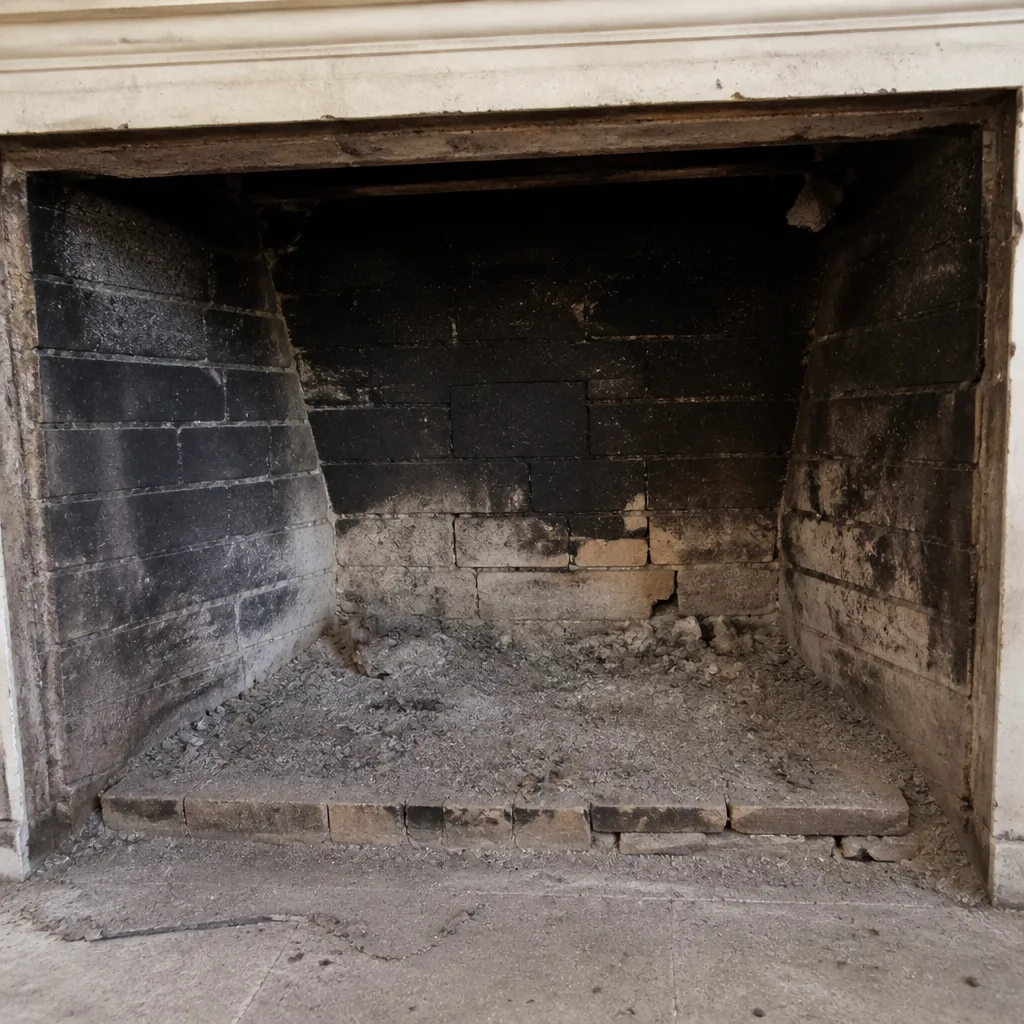 Before
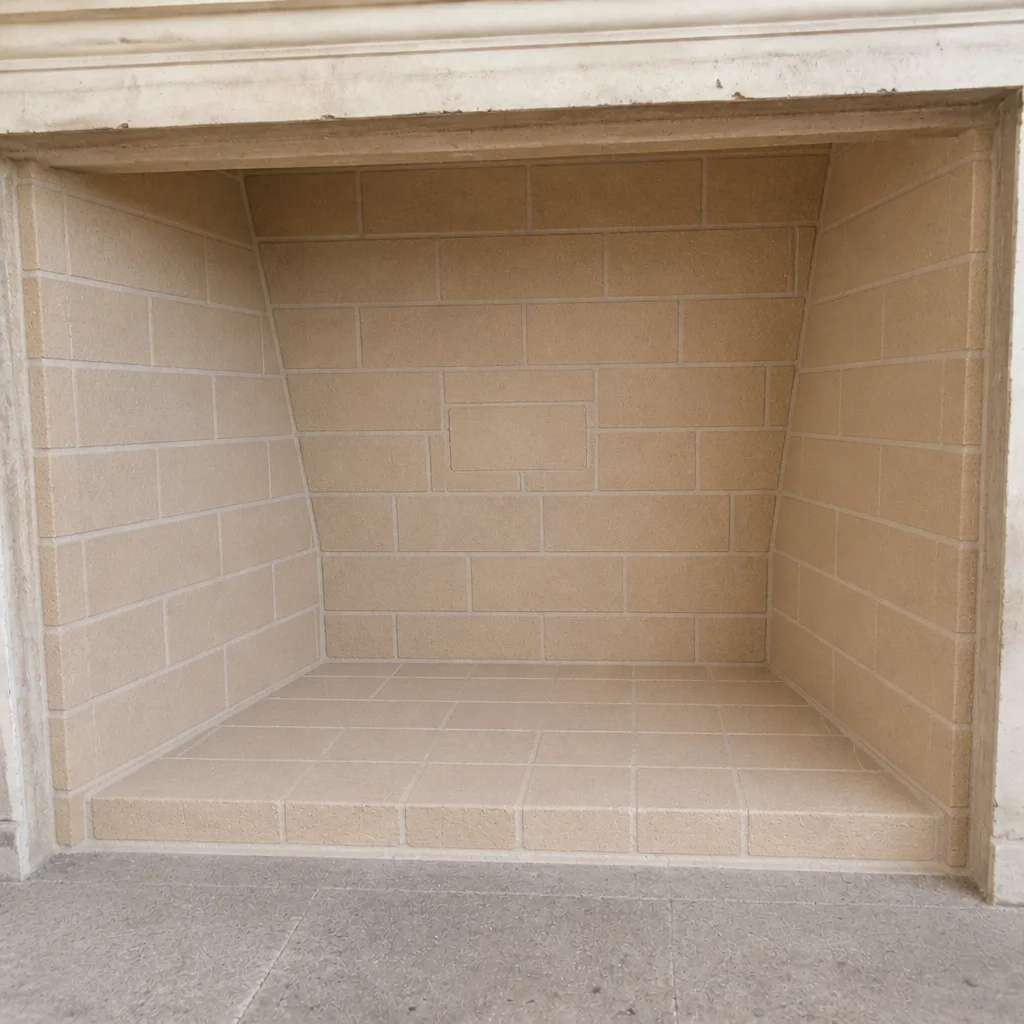 After
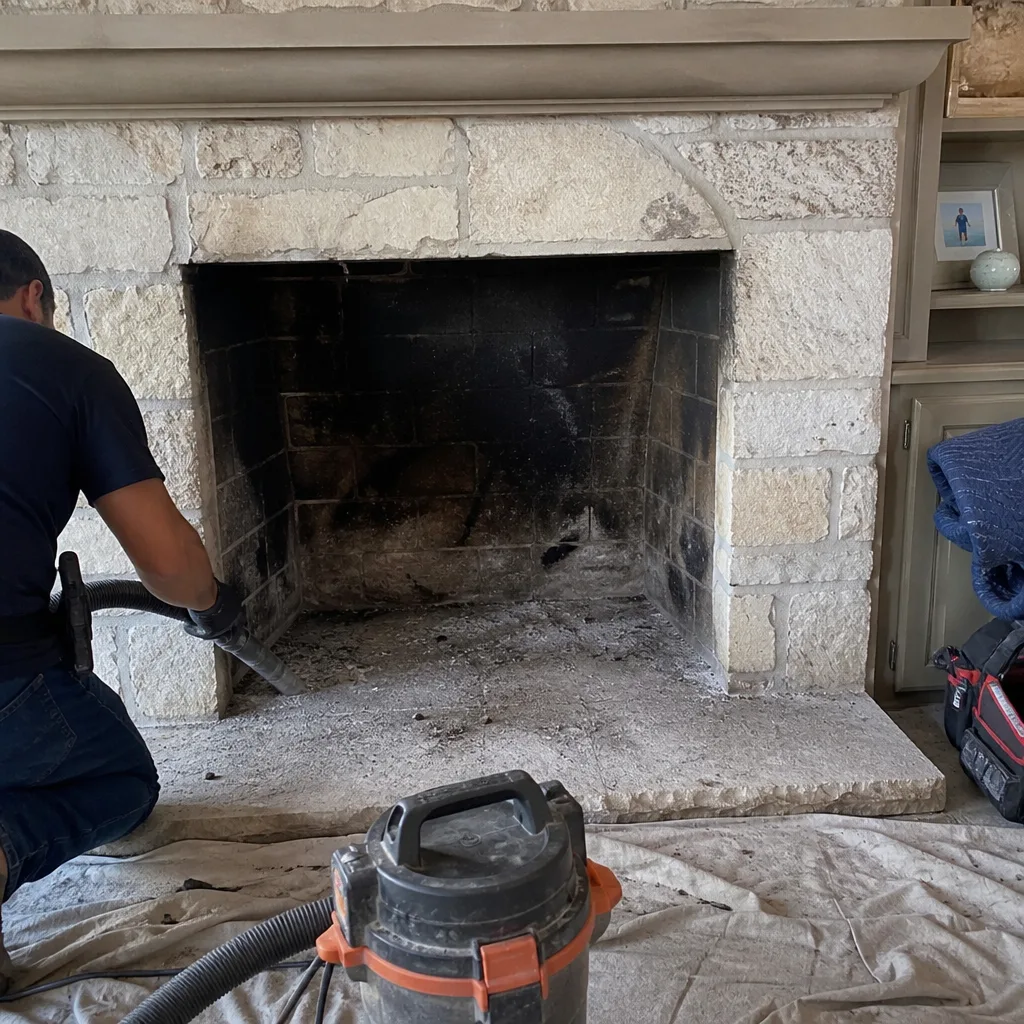 Before
 After
 Before
 After