
Last updated November 22, 2026
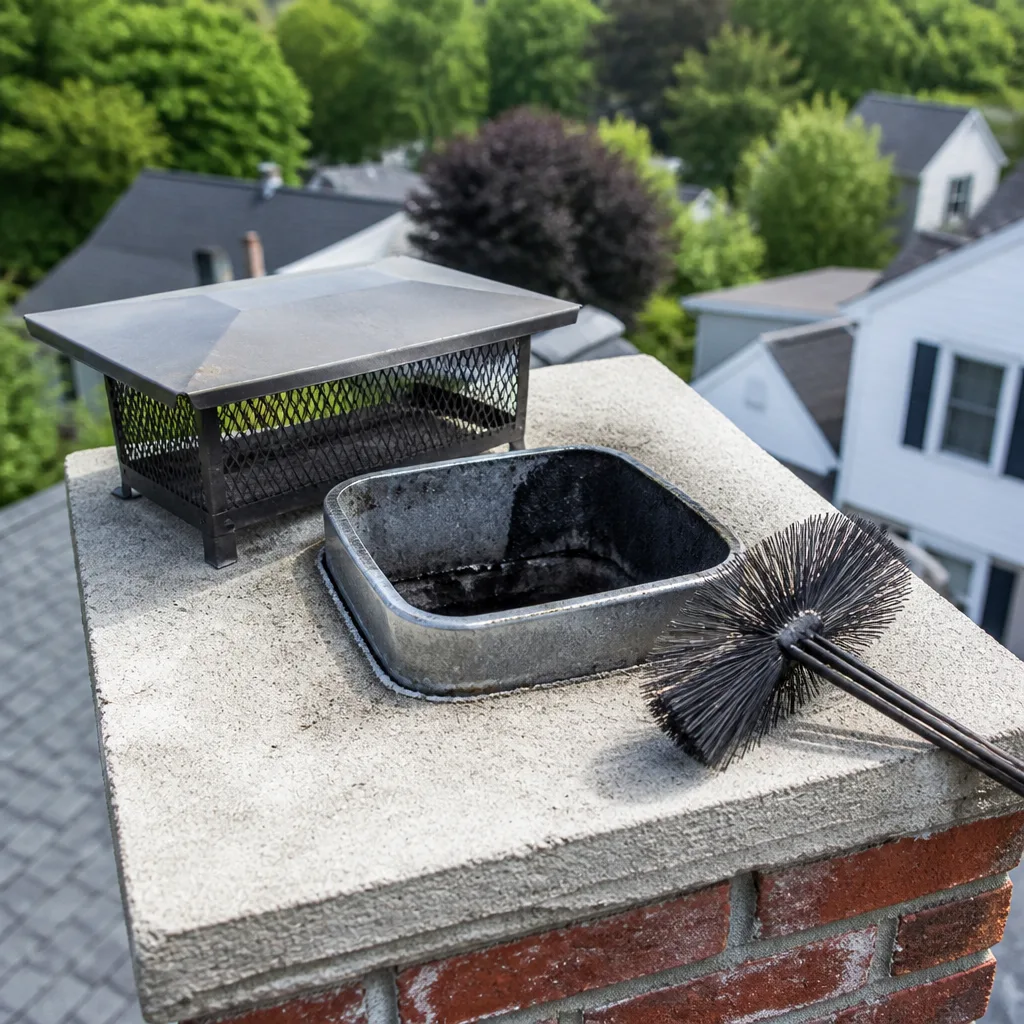 Sweep & inspection
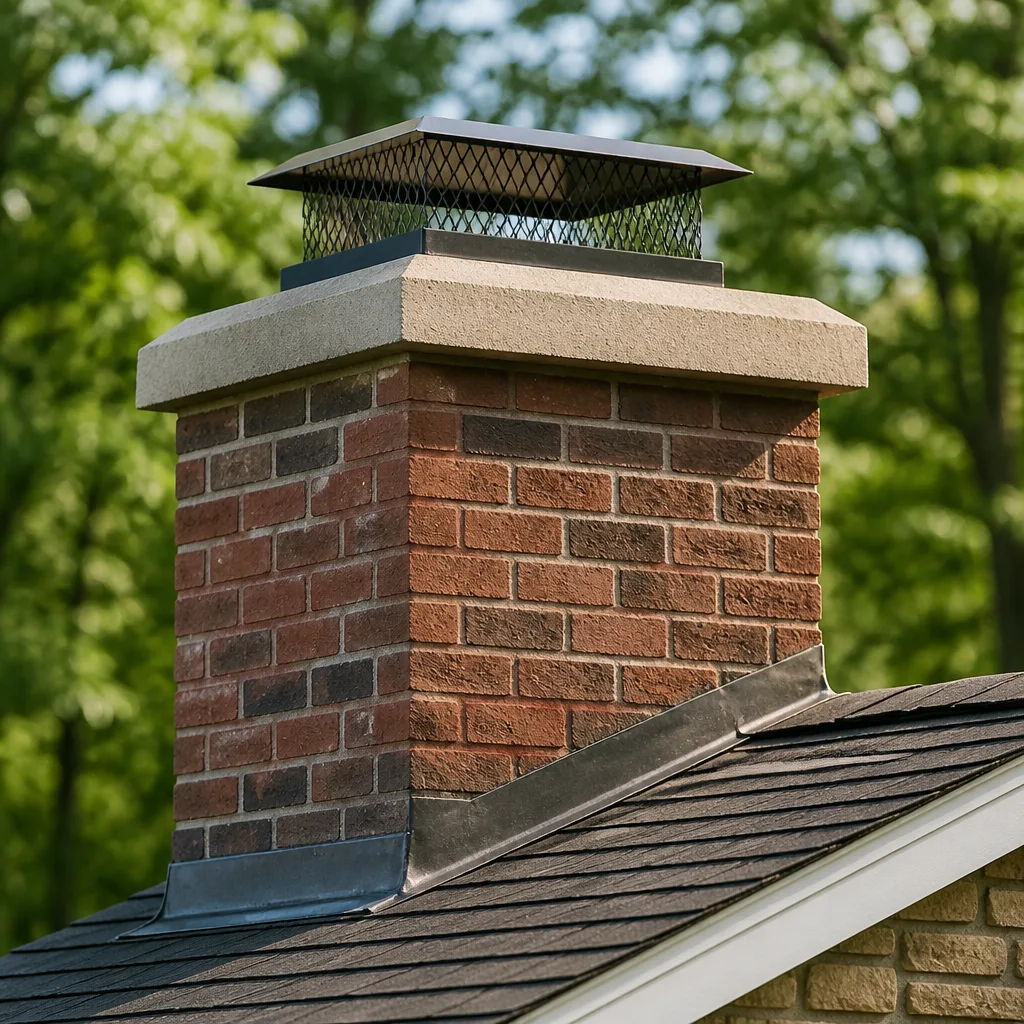 Caps & crowns
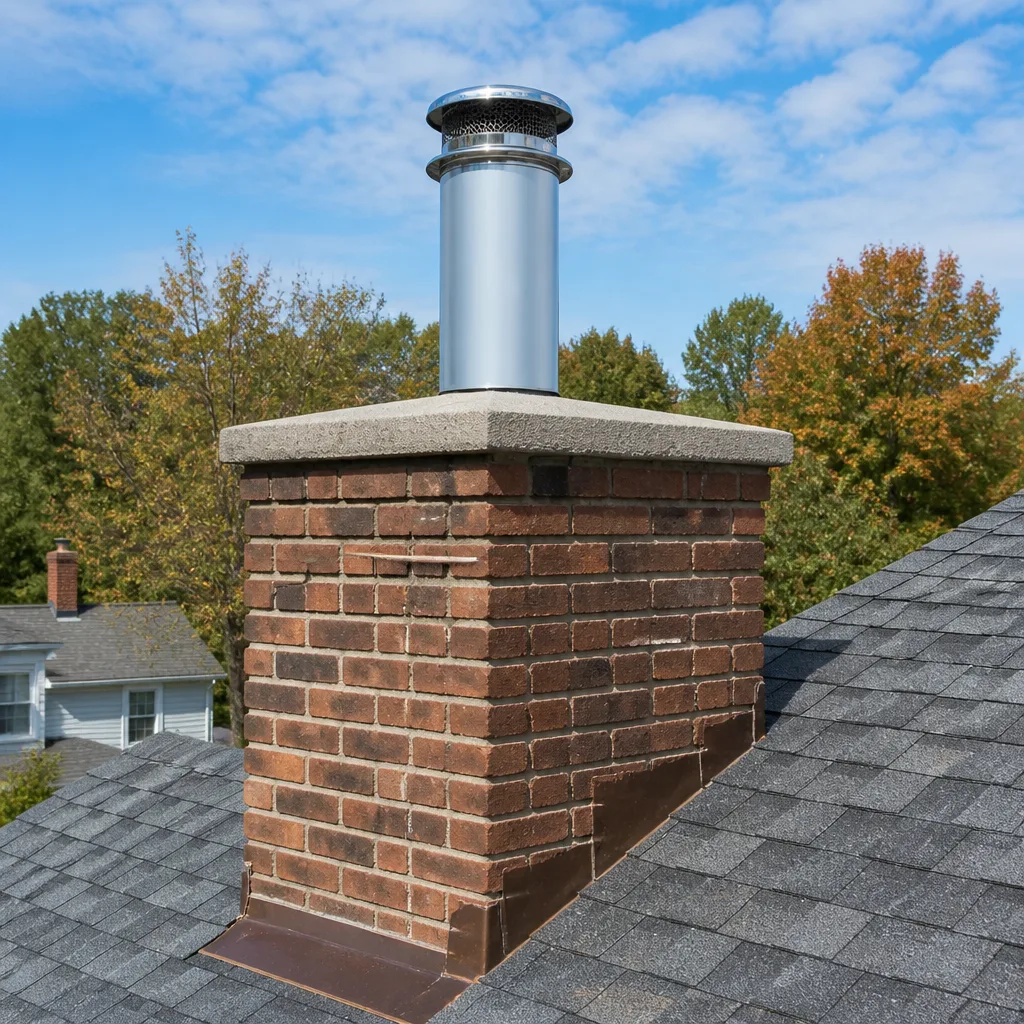 Flue relining
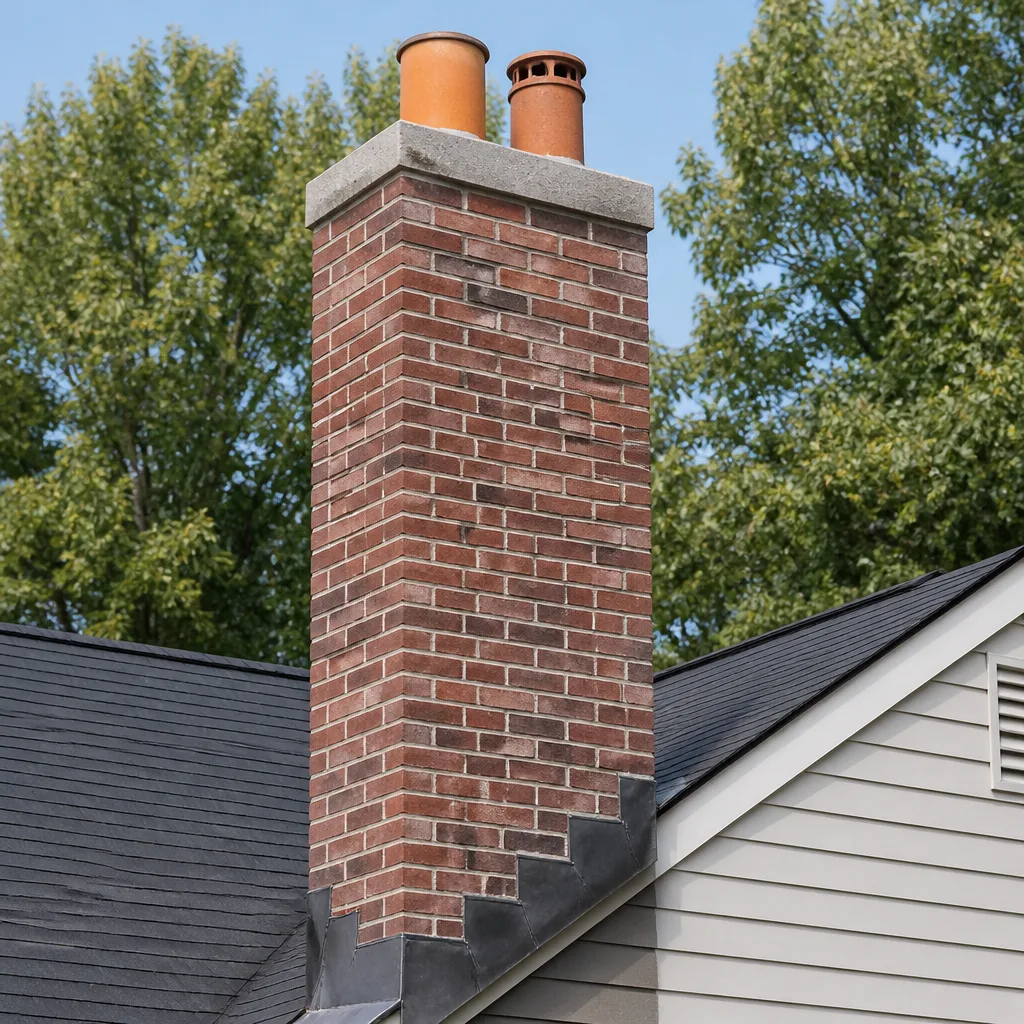 Masonry repair
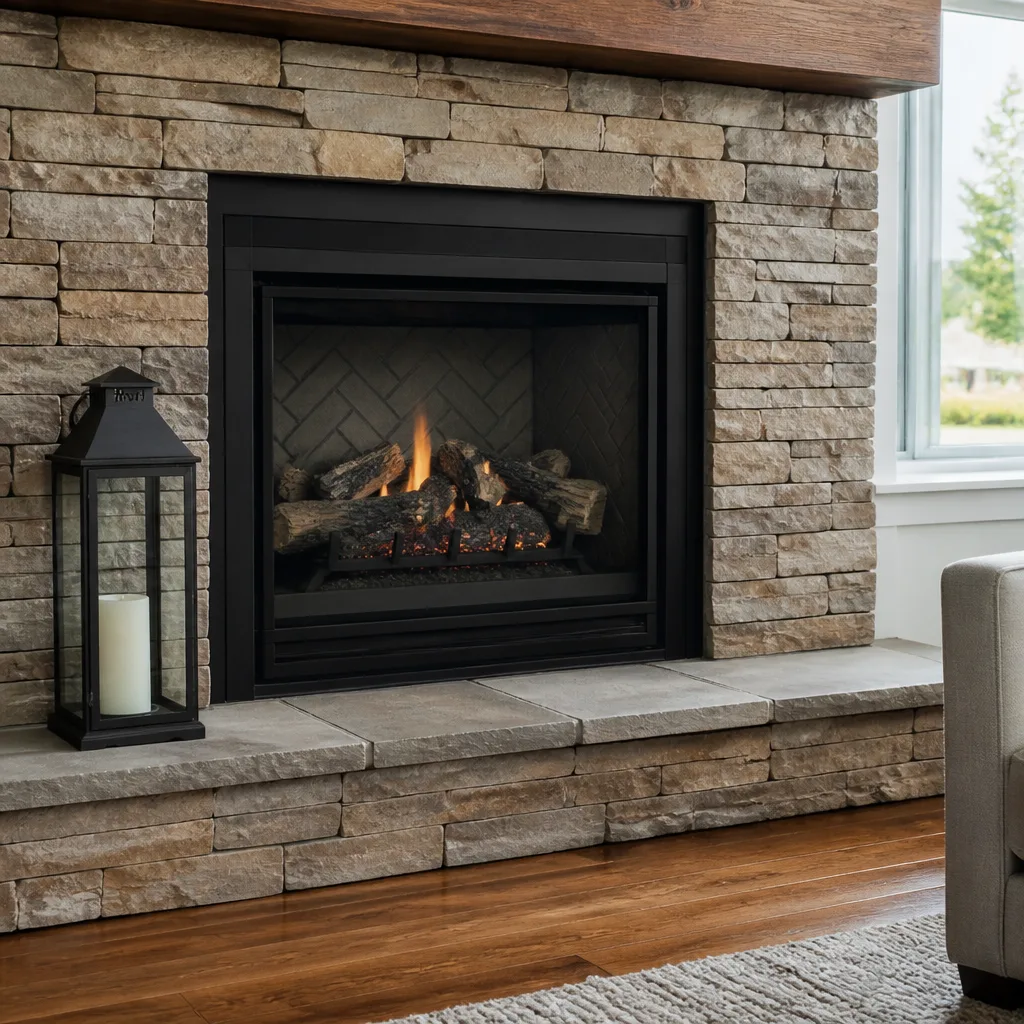 Gas fireplace service
Level 1 sweep and inspection to the NFPA 211 annual standard - flue, crown, cap, and flashing checked and photographed
Chimney sweep logs do not sweep chimneys. They loosen some creosote - which then falls where a brush and vacuum still have to collect it.
Seasonal Chimney Cleaning Care for Garden Oaks: Year-Round Homeowner’s Guide
Most chimney care advice is written for places with long, hard winters. Copy that calendar into Garden Oaks and you end up cleaning a flue in October that sat open and damp through a Houston summer, then wondering why the first fire of the season smells like a wet basement. Houston doesn’t have four crisp seasons. It has a wet spring, a long humid stretch, a short burning window, and a mild winter that never quite shuts the moisture down. Each one does something different to your chimney, and each one calls for a different check. This guide breaks the year into those real seasons and gives you a simple month-by-month routine you can run in about ten minutes a check, so you know what’s happening inside your flue before it becomes a repair.
Quick Answer
In Garden Oaks, the best time to book a chimney cleaning is late September, just before the burning season starts, paired with an inspection right after spring storm season to catch cap, crown and flashing damage from the wet months. A chimney that goes unused through the humid summer should be checked for moisture and drafting problems before the first fire, not after. Year-round care here means watching the chimney in every season, not just the cold one.
Styles & brands we work with
- Sweep & inspection
- Caps & crowns
- Flue relining
- Masonry repair
- Gas fireplace service
Table of Contents
- Why the Standard Fall Chimney Calendar Doesn’t Fit Garden Oaks
- What Each Houston Season Does to Your Chimney
- Why Late September Is the Right Pre-Season Window
- What to Check After Spring Storm Season
- How Summer Humidity Affects an Unused Flue
- A Month-by-Month Owner Task Calendar
- What a Proper Inspection Actually Looks At
- When a Ten-Minute Check Isn’t Enough
Why the Standard Fall Chimney Calendar Doesn’t Fit Garden Oaks
National chimney advice is built around one idea: clean before winter, because winter is when you burn. That logic holds where the ground freezes and the heating season runs for months. Garden Oaks doesn’t work that way. Our burning season is short and broken up, warm spells push into December, and the months that actually threaten a chimney here are the wet and humid ones when nobody’s lighting a fire at all.
So a Garden Oaks chimney faces two separate pressures. During the burning season it collects creosote and soot the way any chimney does. The rest of the year it faces moisture: rain driven against the cap and crown, humidity working on an unused flue, and the slow damage that water does to masonry and metal when it sits without a way to dry out. A homeowner who only thinks about the chimney in winter deals with the creosote but ignores the water, and water is the quieter, slower problem.
The neighborhood adds its own wrinkle. Garden Oaks sits in a part of Houston where mature trees hang over a lot of rooflines, and tree cover keeps a chimney cap and crown in shade and holds debris and damp leaf litter on top of them longer than an open roof would. Homes here also tend to be older builds with masonry chimneys that have had decades of wet-and-dry weather on their crowns and flashing. None of that means the chimney is failing. It means the seasonal checks matter more, not less, in a neighborhood like this.
We’ve seen the pattern often enough to plan around it: the homeowners who get through a season without surprises are the ones who checked the chimney in the wet months, not just the cold ones. To understand what a scheduled chimney sweep involves and when to book one, it helps to start with the seasons themselves.
What Each Houston Season Does to Your Chimney
Houston’s year runs in loose bands rather than four clean seasons, and the chimney reacts to each one differently. Here’s what’s happening to your flue as the calendar moves through Garden Oaks.
Spring (roughly March through May): storms and water intrusion
Spring is the wet, windy stretch. Heavy rain driven sideways finds every weakness in a cap, crown or flashing, and a cracked crown or lifted flashing lets water into the masonry and around the flue. This is the season that starts the moisture problems you’ll notice in summer. It’s also when debris and limbs come down on rooftops and can land on a cap or knock a cap loose.
Summer (late May through September): humidity and a still, unused flue
Once the burning stops, the flue goes quiet. Warm, humid air sits in a chimney that isn’t drafting, and any moisture that got in during spring has weeks to work on the inside. Creosote left from last season can also draw damp and give off odors that find their way into the house. This is the season most homeowners forget the chimney exists, and it’s the season when neglect quietly adds up.
Fall (October through November): the transition and the first fires
Cooler nights bring the first fires, and the first fires are when problems announce themselves: smoke rolling into the room, a weak draft, an odor. Fall is the window to get the chimney cleaned and inspected before you’re relying on it, so any issue surfaces while you still have time to schedule work.
Winter (December through February): the burning season
This is when the chimney earns its keep, in short bursts between warm spells. Creosote builds with each fire, and a flue that wasn’t cleaned before the season starts that build on top of last year’s deposits. Mild winters here mean the burning is intermittent, but intermittent burning with lots of startup and cooldown actually produces cooler, smokier fires that leave more creosote than a hot, steady burn would.
Read together, those four bands explain the whole argument for year-round care. The chimney is doing something every month, even when it isn’t lit.
Why Late September Is the Right Pre-Season Window
Late September is when we’d schedule a cleaning and inspection for most Garden Oaks homes, and the reason is timing rather than tradition. By late September the summer humidity has usually started to break, the first cool fronts are close, and you’re still weeks out from regular fires. That gives you a clean, inspected flue going into the season and time to handle anything the inspection turns up.
Book too early, in the heat of summer, and the flue sits unused and damp again before you ever light it. Book too late, after the first cold snap, and you’re competing with everyone else who suddenly remembered the fireplace, and you may find a problem while you already want to be burning.
Here’s what a late-September visit should include:
- A full sweep of the flue to clear last season’s creosote and soot before the new season adds to it.
- An inspection aligned with NFPA 211 guidance, checking the flue, firebox, damper, cap and crown for anything that will matter once you’re burning again.
- A look at moisture from the summer: staining, efflorescence, or signs that water got in during the wet months.
- A cap and crown check to confirm the top of the chimney is still shedding water and keeping animals and debris out.
- A plain-language report on what needs attention now and what can safely wait.
That last point matters to us. We tell you what your chimney actually needs, no upsell and no scare tactics, and when work can wait until next season we say so. A late-September visit gives you the information while you still have room to plan, which is exactly the point of scheduling it then rather than in October.
What to Check After Spring Storm Season
Spring is the season that does the most visible damage to the top of a chimney, and the week after a strong storm line rolls through Garden Oaks is a good time for a quick look. You don’t need to climb anything. Most of this can be done from the ground with binoculars, or from inside the house at the firebox and damper.
Run through these after the spring storms taper off:
- Chimney cap: Is it still sitting square on top of the flue, or has it been pushed loose, bent or blown off? A missing cap leaves the flue open to rain, birds and debris all summer.
- Crown: The concrete crown at the top should slope away from the flue and be free of visible cracks. A cracked crown is the most common way water gets into a masonry chimney after a storm.
- Flashing: The metal where the chimney meets the roof should be tight and sealed. Lifted or separated flashing lets water track down into the roof and the chimney structure.
- Masonry and mortar: Look for fresh cracks in the brickwork or missing mortar joints, especially after high wind or a freeze that caught the area by surprise.
- Rooftop debris: Limbs, leaves and grit that landed on the cap or around the crown hold moisture against the masonry. They should be cleared.
- Inside the firebox: After the wet months, check for staining, a musty smell, or water marks that suggest moisture is getting in from above.
If any of those look off, that’s the moment to get eyes on it properly. A loose cap or a cracked crown is a small fix now and a masonry job later, which is why we treat the post-storm check as one of the highest-value ten minutes on the whole calendar. Our chimney cap & crown work exists precisely for this: reseating caps, replacing cracked crowns, and sealing the top of the chimney so the wet season doesn’t get a head start. We install caps from trade brands like Gelco and Famco, the kind of products specified by chimney professionals, not the flimsy caps sold at big-box stores.
How Summer Humidity Affects an Unused Flue
An unused chimney in a Houston summer is not a dormant chimney. It’s a tall, shaded, still column of masonry and metal that traps humid air and holds it. Warm air rises out of the house into the flue, meets the cooler surface of the chimney, and any moisture in that air can condense on the inside. Add to that any water that found its way in through a cap or crown during spring, and the flue has weeks to sit damp with nowhere for the moisture to go.
What that means for you shows up at the first fire of the season:
- Odor. Damp creosote and soot give off a sour, smoky smell that drifts into the room through the damper. It’s the most common “my fireplace smells” complaint we hear in early fall.
- Weak draft. A flue full of cool, heavy, humid air is slow to start drafting. The first fire can smoke into the room before the chimney warms and starts pulling.
- Hidden damage. Summer is when slow moisture damage to the flue lining and mortar gets its chance. None of it is visible from the living room.
The fix isn’t complicated, but it has to happen before the first fire, not after. A pre-season sweep clears the damp soot and creosote, an inspection checks whether the summer moisture did any damage to the flue, and a properly fitted cap keeps the next round of rain out. Keeping the damper closed when the fireplace is out of use also limits how much humid house air moves up into the flue. When the inspection does turn up a flue that needs restoring rather than just cleaning, we can apply HeatShield ceramic resurfacing, a liner-restoration method that repairs damaged flue tiles without a full reline when the flue is a good candidate for it. It’s a solution most general handymen can’t perform, and it’s one of the reasons we handle the whole system.
A Month-by-Month Owner Task Calendar
This is the routine we suggest for Garden Oaks homeowners. Each check is quick, none of it requires climbing the roof, and any entry below prompts a call, not a do-it-yourself repair.
- January: Mid-season, check the firebox for heavy creosote buildup and confirm the damper opens and closes freely. If you’ve been burning a lot, book a mid-season sweep.
- February: Watch how the fire drafts as the season winds down. A chimney that starts smoking into the room late in the season is telling you the flue needs attention.
- March: After the last fires, do a final burn-off and clean out ash. Note anything that seemed off over the winter so you can mention it at the pre-season visit.
- April: Post-storm inspection from the ground: cap, crown, flashing, masonry. Clear rooftop debris.
- May: Confirm the damper is closed and the firebox is clean and dry. Check for any musty smell coming from the fireplace.
- June: Look for water staining or efflorescence on the firebox and chimney breast. Note any odor and where it’s strongest.
- July: The hottest, most humid stretch. Check the cap from the ground if it’s visible, and keep the damper shut.
- August: Begin planning the pre-season booking so you’re on the schedule before the fall rush.
- September: Book the pre-season sweep and inspection. This is the window the whole calendar is built around.
- October: Test the first fire on a cool evening. Watch for smoke, odor and weak draft, and address anything the pre-season visit flagged.
- November: Settle into the burning season. Keep an eye on creosote if you’re burning often.
- December: Enjoy the fireplace. If you notice a change in how it drafts or smells, that’s your cue to call, not to wait for spring.
The whole routine takes ten minutes a check, and it puts the two big appointments, the post-storm look in April and the pre-season sweep in September, exactly where they belong in a Garden Oaks year.
What a Proper Inspection Actually Looks At
An inspection isn’t a sweep with a glance on top. A proper one, aligned with NFPA 211 guidance, looks at the whole system from the firebox to the cap, and it’s designed to catch safety hazards before they become fire or carbon monoxide risks. Here’s what should be covered when we inspect a chimney in Garden Oaks.
- Flue interior: The condition of the flue lining, checking for cracks, gaps, missing tiles and creosote buildup.
- Firebox and damper: Cracks in the firebox masonry, and whether the damper seals and operates.
- Cap and crown: Whether the top of the chimney sheds water and keeps animals and debris out.
- Flashing and roof junction: Whether water can get in where the chimney meets the roof.
- Masonry and mortar: Structural condition of the chimney itself, inside and out.
- Draft and venting: Whether the flue is venting properly, which matters most for gas inserts and appliances.
We don’t guess and we don’t pad the report. Nothing gets recommended without a reason you can see and understand, and we tell you plainly when work can safely wait. If a flue needs more than a cleaning, we can install DuraFlex flexible liner systems, the industry standard for relining an aging or damaged flue, or apply HeatShield resurfacing where restoration makes more sense than a full reline. From the firebox to the cap, we handle it with the same materials chimney professionals specify nationwide.
When a Ten-Minute Check Isn’t Enough
Most of the year-round routine is yours to run. But some findings need a trained eye, and a few need it promptly.
Call a professional when you see: cracks in the flue lining or firebox masonry; a cap that’s loose, missing or bent; a cracked or crumbling crown; water staining or a persistent odor that won’t clear after a cleaning; smoke rolling into the room when the fire is drawing; a gas insert or appliance whose venting you’re unsure about; or anything on the exterior of the chimney that’s changed shape or lost mortar. Heavy creosote buildup also needs a professional sweep. Creosote is what fuels a chimney fire, and carbon monoxide is the quiet risk with any blocked or damaged flue. That’s a reason to have the chimney checked, not a reason to panic, and it’s exactly what an inspection is for.
Chimney Sweep Garden Oaks offers free estimates in Garden Oaks. Call (844) 299-4971. We answer 24/7. Fast dispatch from 7am to 7pm, Sunday through Friday.
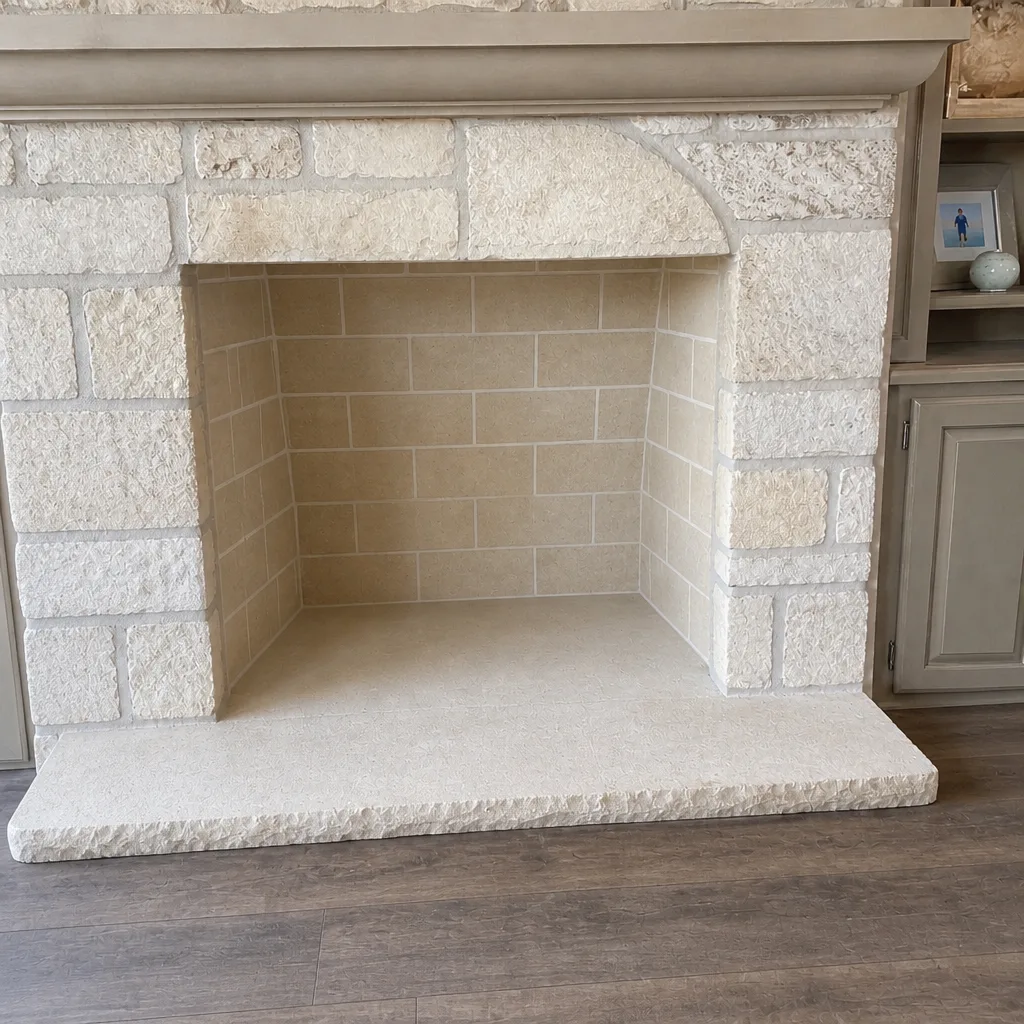
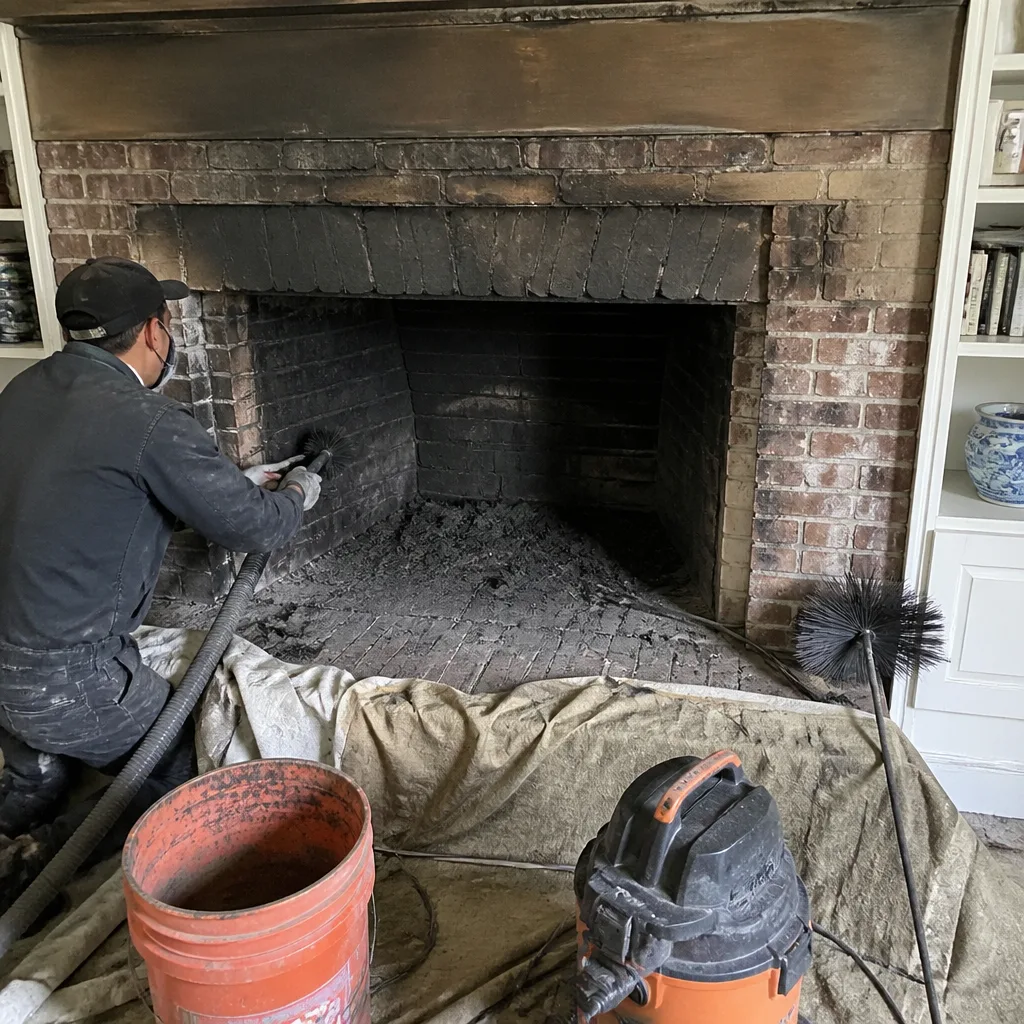
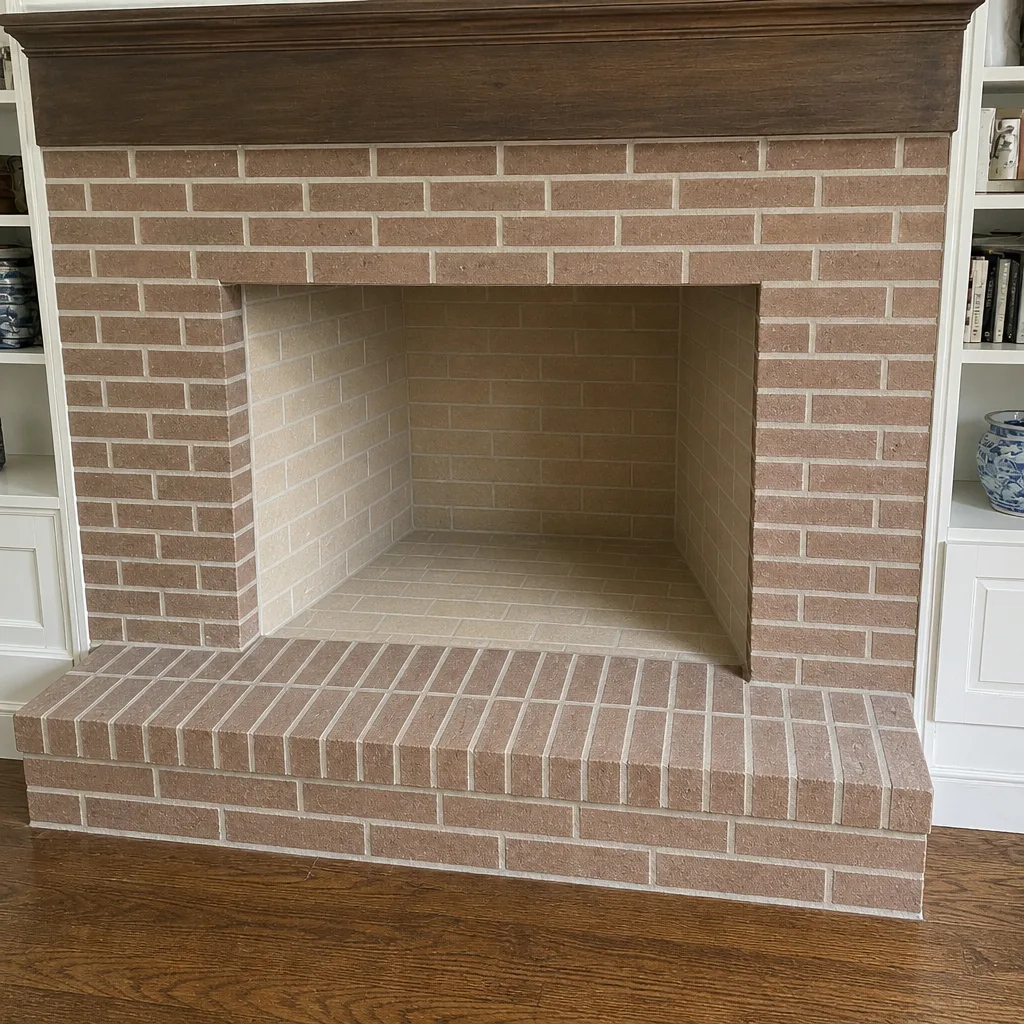
See the difference
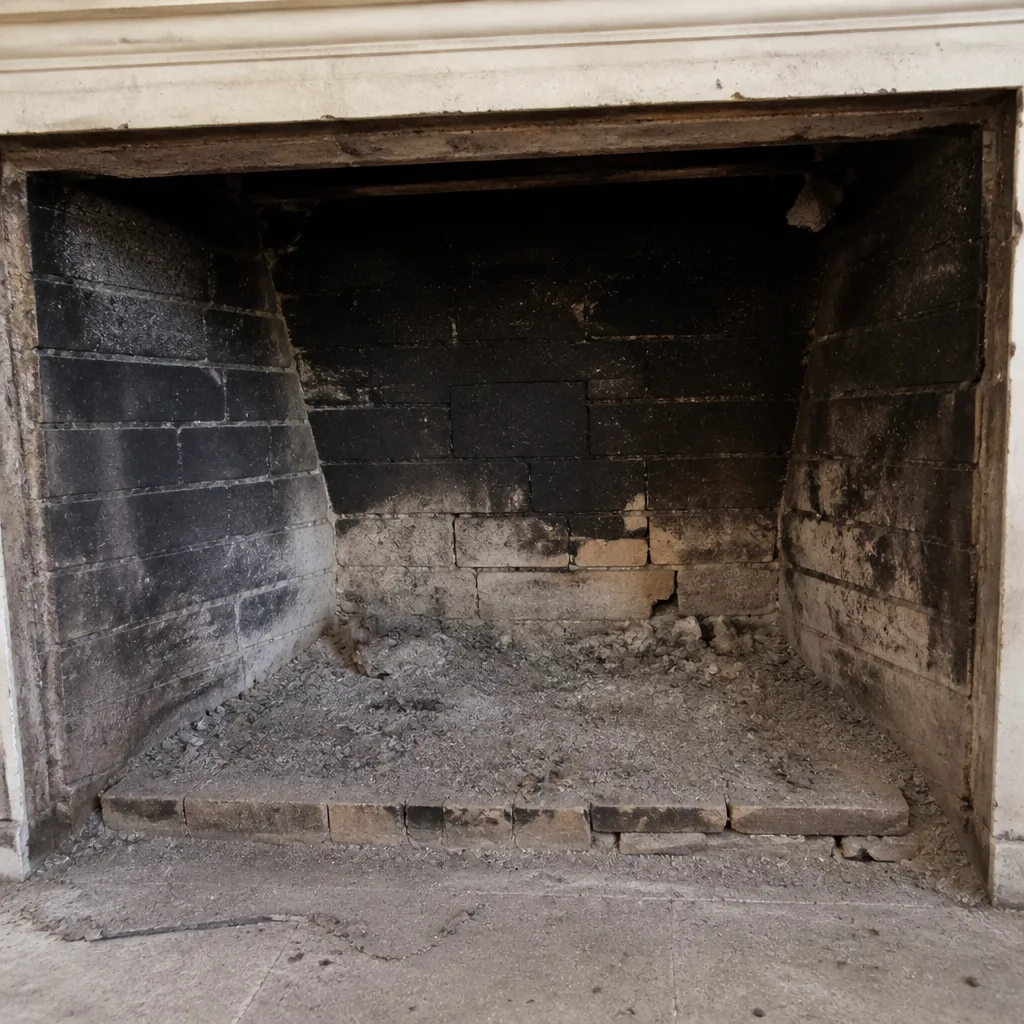 Before
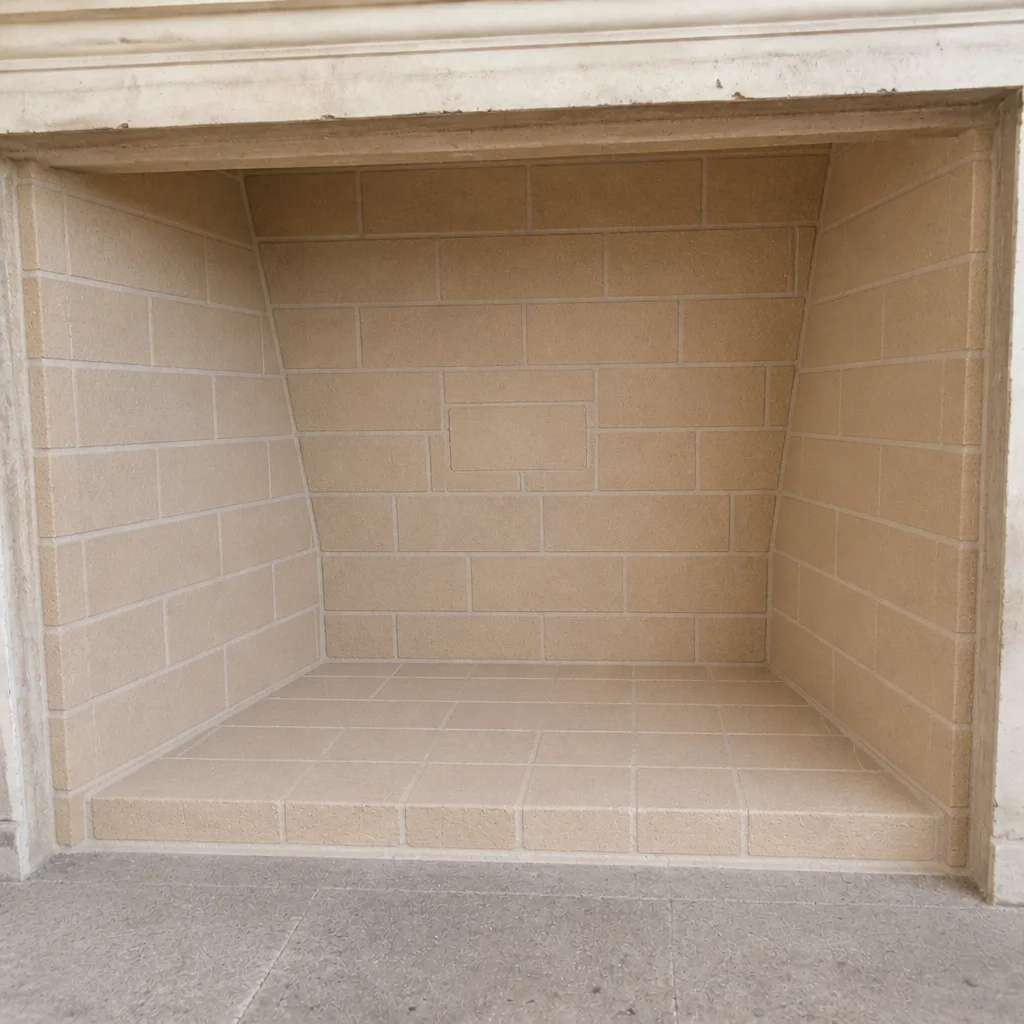 After
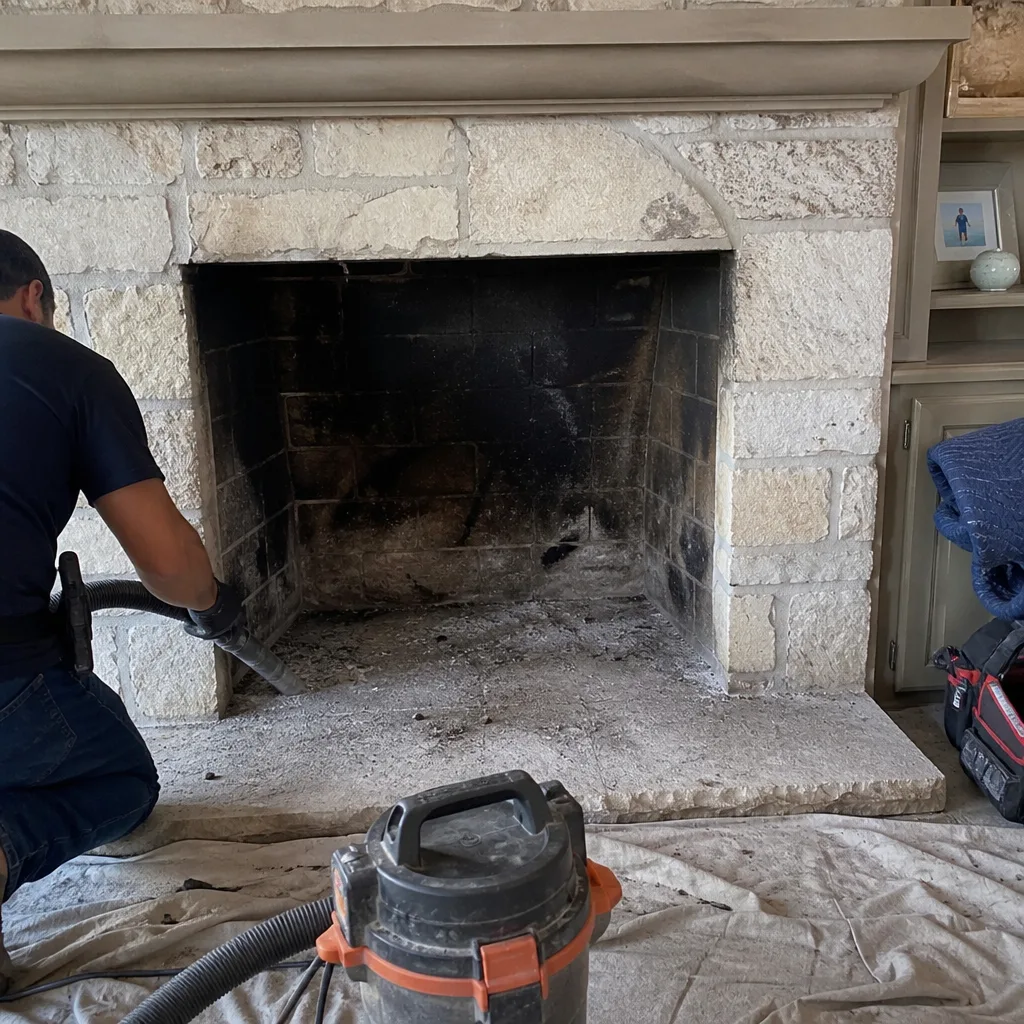 Before
 After
 Before
 After
Common Mistakes to Avoid
- Following the national fall-only calendar. Cleaning only in October means the spring and summer moisture problems go unexamined all year. Garden Oaks needs a post-storm check in spring and a pre-season sweep in late September.
- Waiting for the first cold snap to book. Everyone remembers the fireplace at the same moment. Book the pre-season visit in late September so the chimney’s ready before you need it.
- Ignoring a summer odor. A sour smell drifting from the fireplace in humid months usually means damp creosote or moisture in the flue. It’s a signal to get the chimney looked at, not something to mask.
- Assuming a missing or loose cap can wait. An open flue through a Houston summer takes in rain, birds and debris. Get the cap back on before the wet season, not after.
- Letting a general handyman handle flue work. Sweeping is one thing. Flue lining, resurfacing and relining are trade work that calls for the right materials and training. We’re chimney specialists, not generalists who sweep on the side.
- Treating a cracked crown as cosmetic. A cracked crown is how water gets into the masonry. It’s a small repair now and a structural job later.
- Burning without checking the flue first. The first fire of the season on an uninspected flue is the moment hidden problems surface. Get the inspection done in September and start the season clean.
Frequently Asked Questions
Late September is the best window for most Garden Oaks homes, just before the burning season starts and after the summer humidity has begun to break. Pair it with a post-storm check in spring to catch cap, crown and flashing damage from the wet months. Call (844) 299-4971 for an exact quote, estimates are free.
Sweep based on use, not the calendar alone: a chimney that sees regular fires through the winter should be swept once a season, and even a lightly used chimney should be inspected annually. In Garden Oaks, the pre-season sweep in late September covers most homes. Call (844) 299-4971 to book a sweep that fits your burning habits.
A summer smell usually comes from damp creosote and soot, or from humid air sitting in an unused flue. It’s common in Houston’s humid months and it’s a sign to get the chimney inspected before the first fire. Call (844) 299-4971 and we’ll tell you what’s causing it.
Yes, a cap is one of the highest-value pieces of chimney protection here, because it keeps rain, birds and debris out of the flue through the wet and humid months. We install caps from trade brands like Gelco and Famco that hold up far better than big-box caps. Call (844) 299-4971 for a cap and crown check.
Skipping it lets creosote build up and lets moisture damage go unnoticed, which raises the risk of a chimney fire and carbon monoxide problems over time. In Garden Oaks, an uninspected flue also sits through a humid summer that can quietly worsen any damage. Call (844) 299-4971 and we’ll inspect it and tell you what, if anything, it needs.
Check the chimney cap, crown, flashing and visible masonry for looseness or cracks, and clear any rooftop debris from around the top of the chimney. Do it from the ground with binoculars, never by climbing. If anything looks off, call (844) 299-4971 for a proper look.
The Bottom Line
The chimney calendar in Garden Oaks doesn’t follow the fall-only advice written for cold climates. Here the year splits into a wet spring that threatens the cap, crown and flashing, a long humid summer that works on an unused flue, a short burning season that builds creosote, and a mild winter that never quite dries things out. Care for the chimney across all four and it stays safe and drafts properly. The two anchors are a post-storm check in spring and a pre-season sweep and inspection in late September. Everything else is a ten-minute monthly look. We handle the sweep, the inspection, the caps and crowns, the fireplace and the chimney repair, so one call covers the whole system. Our technicians have up to 14 years of experience, and we use the same materials chimney professionals specify.
Ready to get on the pre-season schedule? Call (844) 299-4971 for a free estimate. We answer 24/7. Fast dispatch from 7am to 7pm, Sunday through Friday. From routine chimney sweep visits to fireplace repair and chimney cap & crown work, Chimney Sweep Garden Oaks handles the entire system so you’re not chasing down separate contractors for one chimney.
Written by the team at Chimney Sweep Garden Oaks.