
Last updated November 22, 2026
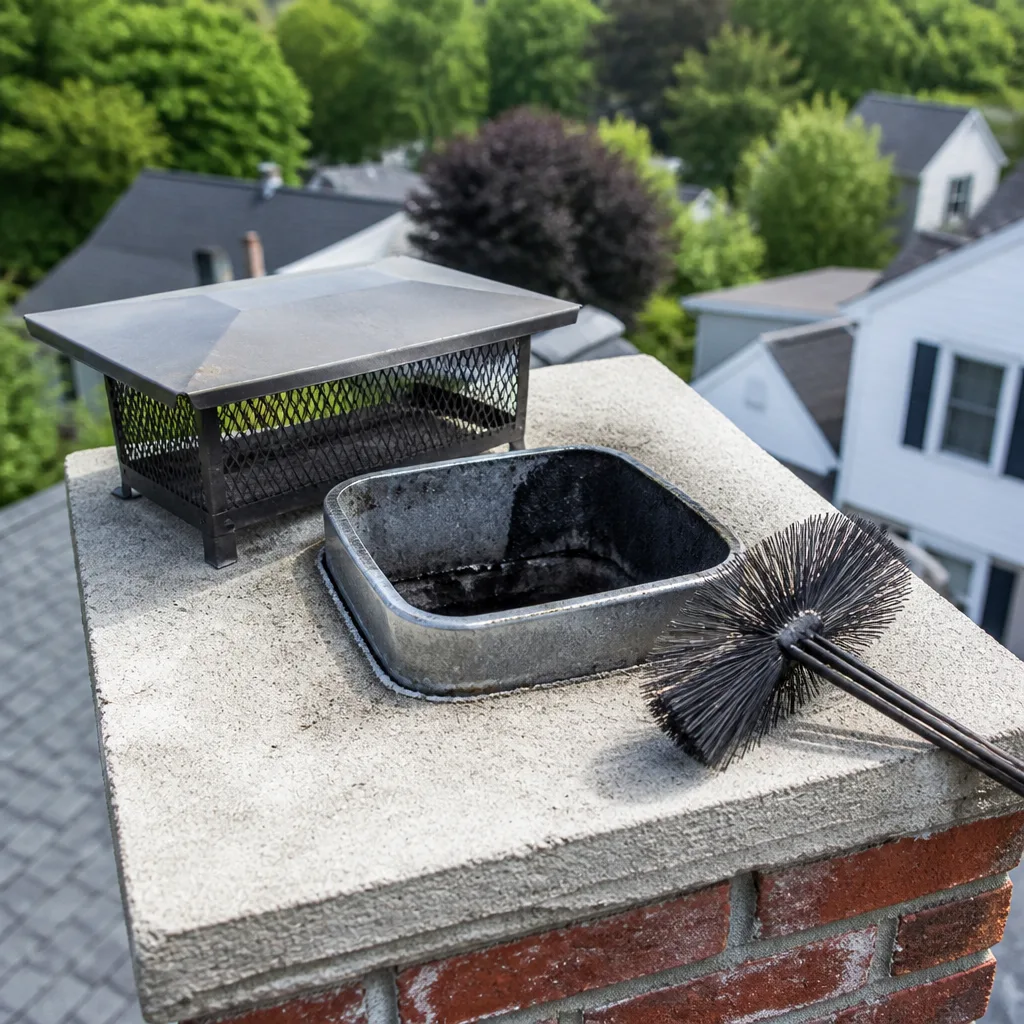 Sweep & inspection
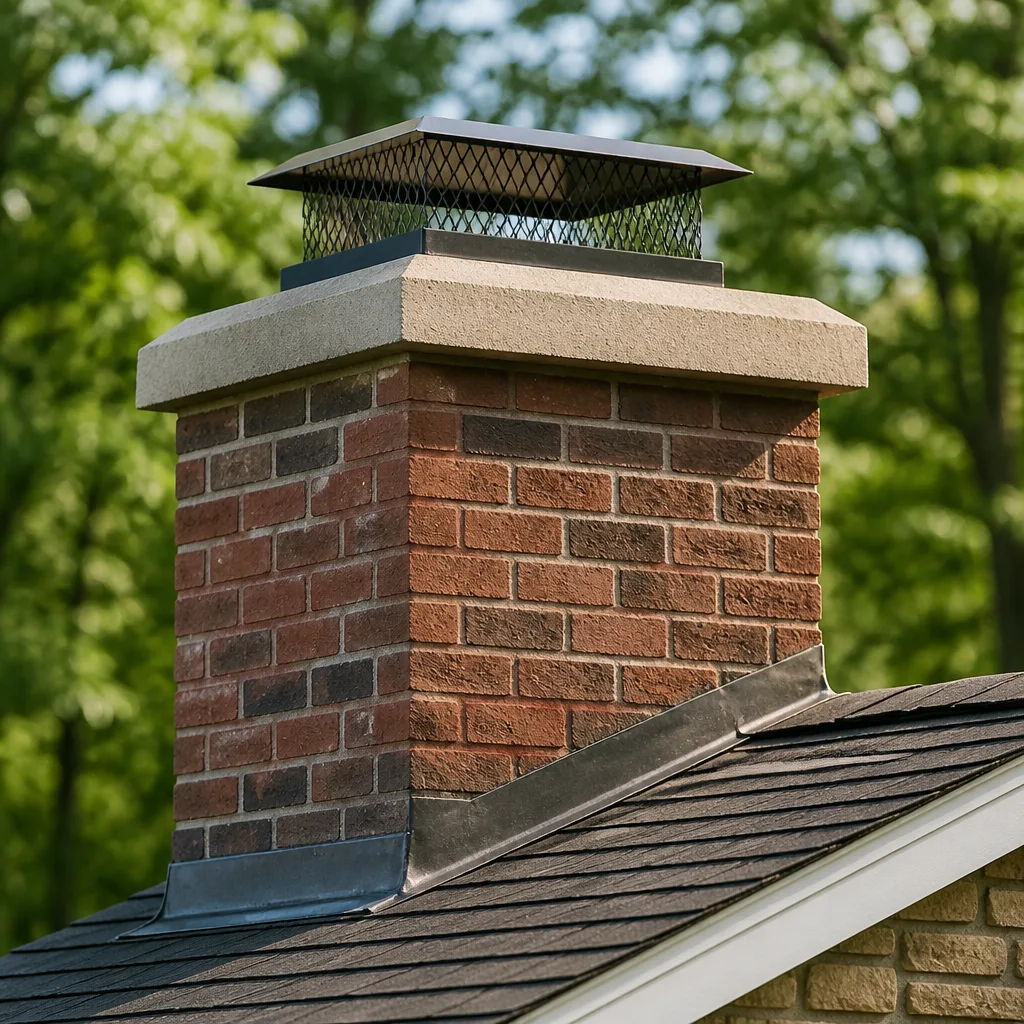 Caps & crowns
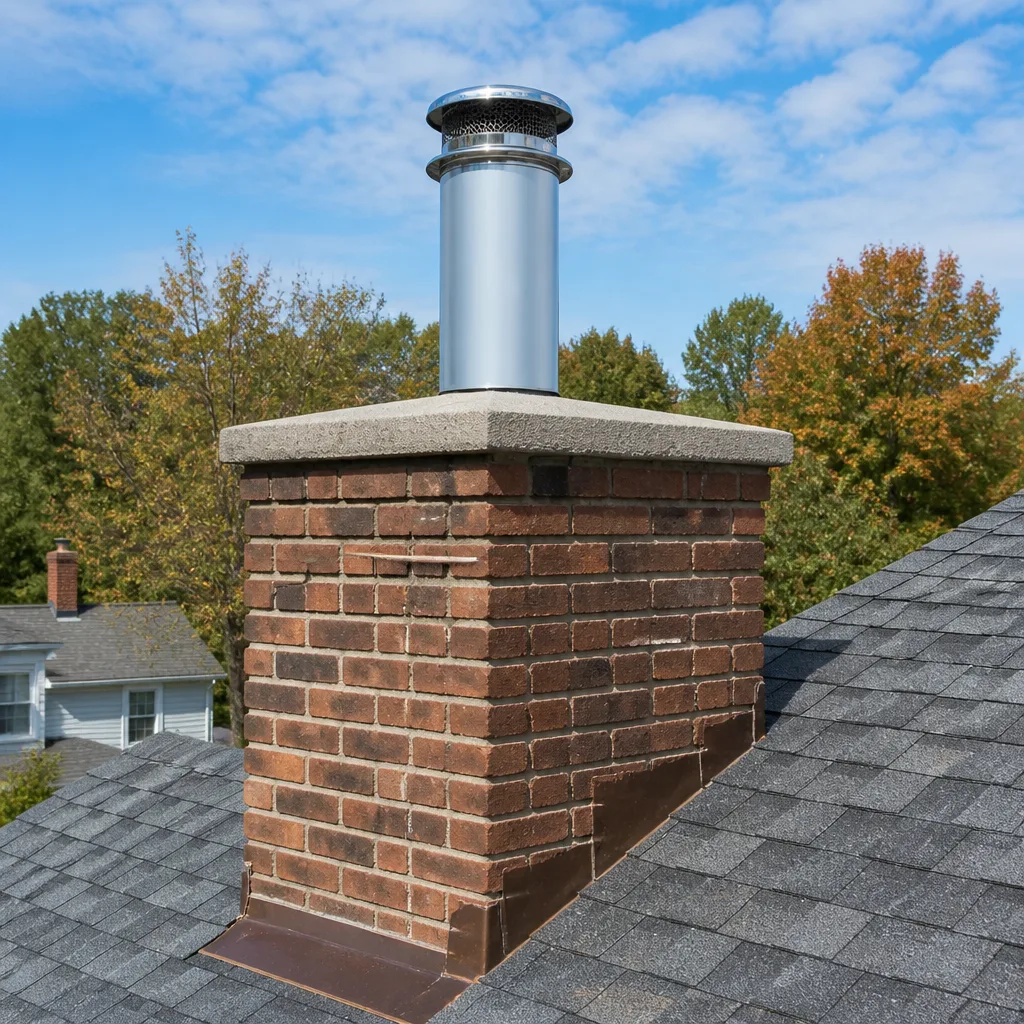 Flue relining
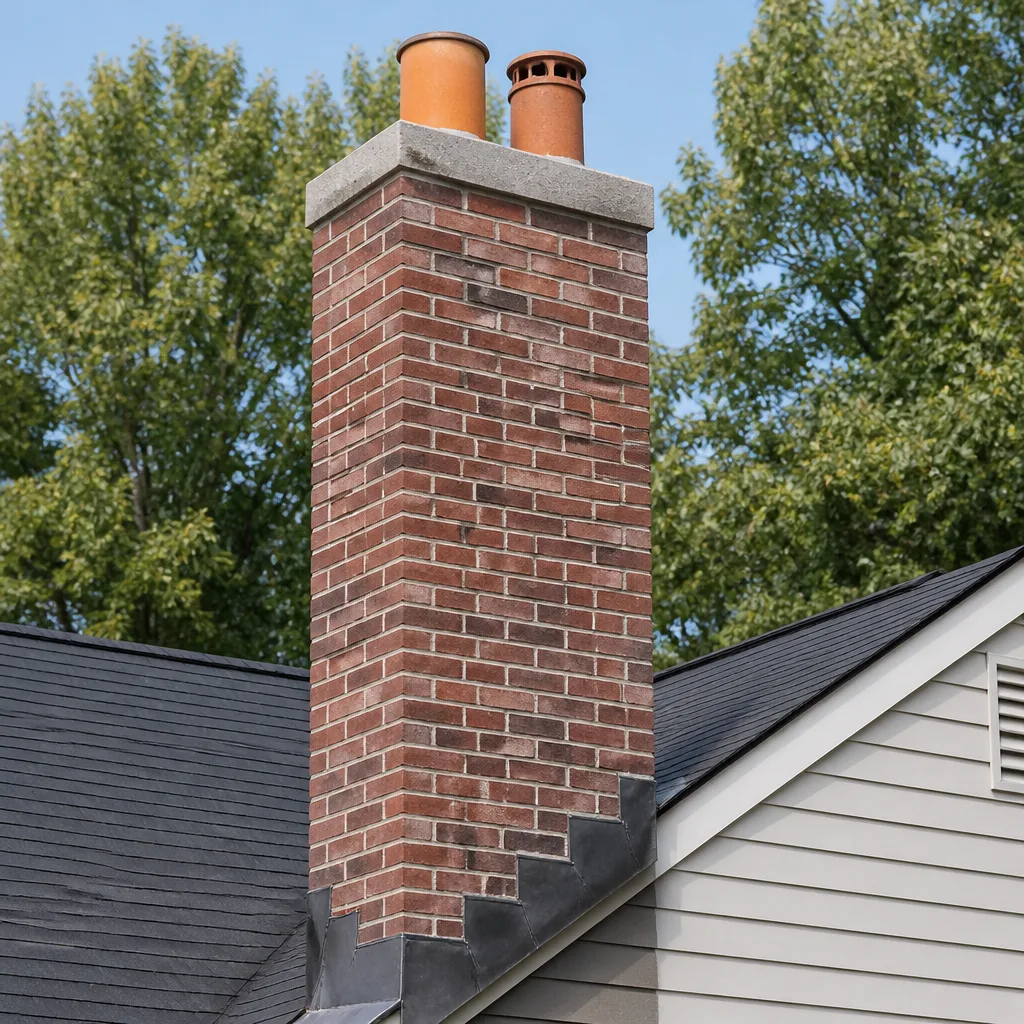 Masonry repair
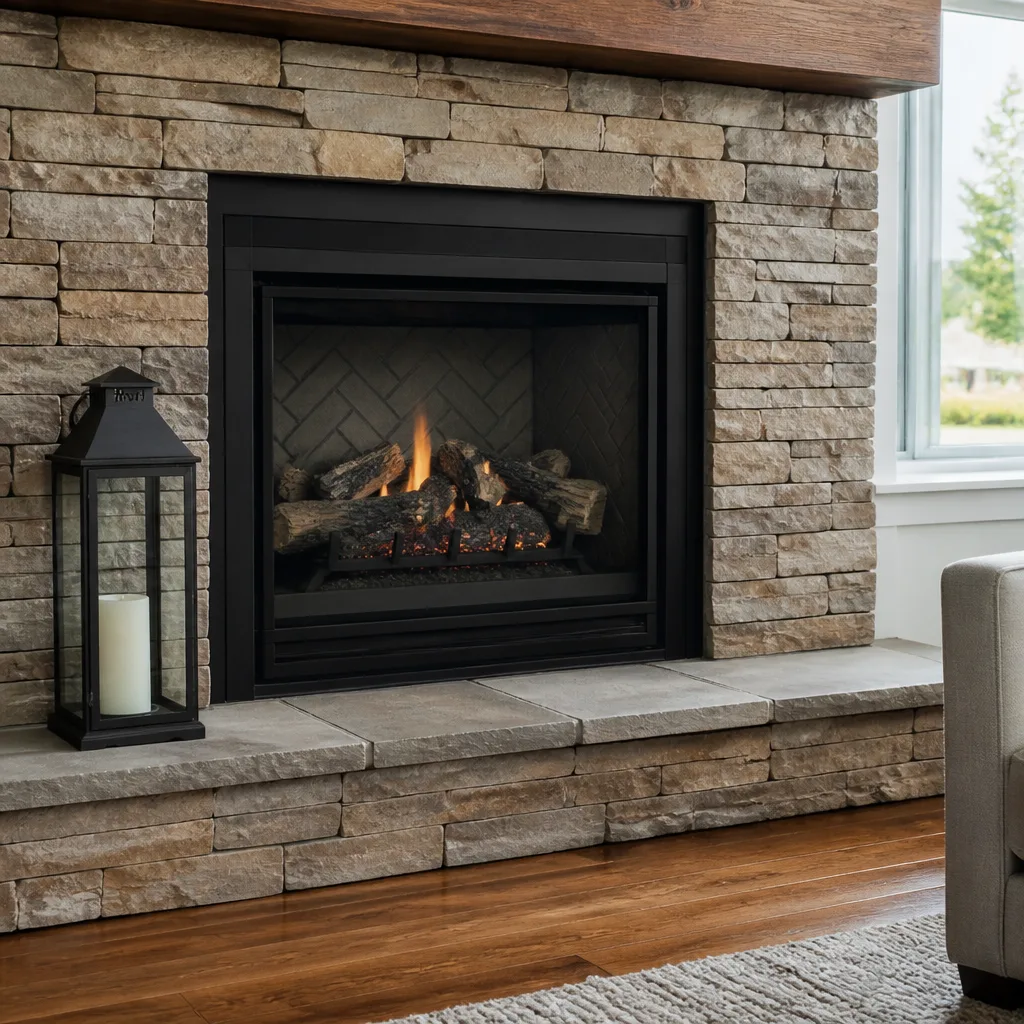 Gas fireplace service
Level 1 sweep and inspection to the NFPA 211 annual standard - flue, crown, cap, and flashing checked and photographed
Chimney sweep logs do not sweep chimneys. They loosen some creosote - which then falls where a brush and vacuum still have to collect it.
How to Hire a Chimney Cleaning Contractor in Garden Oaks: A Step-by-Step Guide
Here’s the part most homeowners don’t realize until they’re already in it: a chimney sweep in Texas doesn’t need a state-issued trade license to knock on your door and start brushing. That means no state board is vetting your options for you. The responsibility for telling a real chimney specialist from a generalist with a brush and a ladder sits entirely with you, the homeowner. And most people don’t think about what to ask until a flue problem has already turned into a bigger repair. This guide walks through the exact questions, documents, and red flags that separate a true chimney professional from a handyman who sweeps on the side, with notes specific to Garden Oaks homes and the Houston market.
Quick Answer
To hire a chimney cleaning contractor in Garden Oaks, verify chimney-specific credentials (not just general handyman licensing), ask for their inspection process by name, get an itemized written estimate, and confirm they carry the specialty materials for repairs, not just a brush and vacuum. The five questions in this guide reveal within minutes whether you’re talking to a chimney specialist or a generalist. Never book a sweep before you know how they inspect and what they’ll document.
Styles & brands we work with
- Sweep & inspection
- Caps & crowns
- Flue relining
- Masonry repair
- Gas fireplace service
Table of Contents
- Why chimney contractors in Garden Oaks need real vetting
- What CSIA certification means and what it doesn’t
- The five questions that reveal a chimney specialist
- Why the lowest bid often costs more
- Red flags specific to Houston-area chimney companies
- What a legitimate chimney estimate should itemize
- What a proper sweep and inspection involve
- How Garden Oaks climate and housing shape the work
Why Chimney Contractors in Garden Oaks Need Real Vetting
In most states, chimney work falls under a general contractor or trade license, and Texas doesn’t require a chimney-specific license at all. That means anyone with a ladder and a shop vac can market themselves as a sweep. The burden of diligence is on you, and the consequences of hiring wrong range from an incomplete cleaning that leaves creosote behind to a repair that fails the first time the flue heats up.
Garden Oaks adds a wrinkle. The neighborhood’s mid-century brick ranch homes were built with masonry fireplaces that have now seen decades of use, and many have been modified over the years, with gas inserts added, fireboxes rebuilt, or dampers retrofitted. Recognizing what’s original, what’s been modified, and what’s failing takes a technician who works on chimneys every week, not a generalist who sees a handful a year.
When you’re evaluating a company, keep one question in front of you: does this business do chimneys as a specialty, or as a sideline? The difference shows up in what they inspect, what they document, and what materials they can supply. We approach every Garden Oaks call this way. We tell you what your chimney actually needs, and nothing more.
- Specialist: performs NFPA 211-aligned inspections, documents findings, and can install liners and caps when needed.
- Generalist: brushes the visible flue, looks up, and hands you a bill with no record of what was found.
- Volume operation: rotates crews, can’t tell you who’s arriving, prices by phone without seeing the chimney.
What CSIA Certification Means and What It Doesn’t
CSIA stands for the Chimney Safety Institute of America, and its certified sweep credential is the most recognized professional certification in this trade. It requires passing an exam and maintaining continuing education. What it signals: the person holding it has demonstrated baseline knowledge of chimney systems, venting, and safety.
What it does not guarantee: that the company you’re hiring actually employs the certified individual on every job, that the inspection will be thorough, or that the estimate you’re given is fair. A certified owner who sends an untrained crew in a second truck is a real pattern in this industry. So verify, don’t assume. Ask whether the certified sweep is the person arriving, and ask for the credential number so you can confirm it. When the company can’t tell you, that’s your answer.
Here’s what we recommend checking:
- Ask for the certification number and confirm it through the issuing organization’s lookup tool.
- Ask whether the certified person is on the truck or supervising.
- Ask what inspection standard they follow. NFPA 211 is the standard for chimney, fireplace, vent, and solid-fuel appliance inspections.
- Ask how they document findings: written report, photos, both.
- Ask what happens if the sweep finds a problem the cleaning didn’t reveal.
We administer every inspection we do to identify hazards before they become fire or carbon monoxide risks. We also do it because the report is what you use to make a decision, not a sales pitch. When repairs are recommended, the photos come with them.
The Five Questions That Reveal a Chimney Specialist
You can separate a dedicated chimney company from a generalist in about three minutes if you ask the right things. These five questions work because a specialist answers them specifically and without hesitation. A generalist gets vague, changes the subject, or pivots into a pitch.
- “What standard do you inspect to, and what do I get in writing?” A chimney specialist references NFPA 211 and provides a written report, often with photos. A generalist says “we check it out” and hands you an invoice.
- “Do you install chimney liners, and which brands?” A company equipped for relining will name trade brands like DuraFlex or HeatShield without struggling. A brush-only operation has no answer.
- “How do you handle a cracked flue tile?” A specialist offers options: resurfacing, relining, or repair, with tradeoffs explained. A generalist either misses it or pushes a single expensive solution.
- “Can you replace my chimney cap and crown?” Cap and crown work requires knowledge of the specific products involved, like those from Gelco, Famco, or Copperfield. A generalist will “find one at the hardware store,” which means a part that won’t fit or last.
- “What’s included in the price, and is it in writing before I book?” A specialist gives a flat-rate estimate with the scope spelled out. A generalist quotes a number that creeps once they’re on the roof.
If two or three of those answers come back thin, keep calling. A company that expects to return to your chimney next season has no reason to dodge those questions.
Why the Lowest Bid Often Costs More
The cheapest quote you get for chimney cleaning in Garden Oaks is often the most expensive over time. A sweep who prices low has to make up margin somewhere, and the cutting usually happens in the work itself: a fast brush that doesn’t reach the flue liner, no written inspection, no photos, and a strong chance the visit ends with an upsell for repairs they can’t actually perform.
Think about what’s actually being paid for. A legitimate cleaning involves protecting the firebox and floors, accessing the full flue, cleaning to the top, removing all debris, and inspecting the damper, smoke chamber, flue tiles, cap, and crown. That’s real labor. A bid that undercuts the going rate by half is almost always skipping steps, and the skipped steps are exactly the ones that catch hazards.
The pattern in our experience is consistent: a low-price sweep becomes a phone call six months later when a different problem surfaces, and by then the “cheap” visit has been paid for twice. The estimate from a specialist may look higher on paper, but it covers the inspection and the cleaning, and it documents what your chimney actually needs. Built to last, not patched to pass inspection applies to the estimate as much as the repair.
Red Flags Specific to Houston-Area Chimney Companies
General red flags exist everywhere, but Garden Oaks and the surrounding Houston neighborhoods have their own patterns worth knowing. Chimney work here is seasonal, which means roofers and handymen often advertise chimney services during the fall and disappear the rest of the year. The signs below should make you slow down before booking.
- No physical address or working photos of the business. A legitimate chimney company in the Houston area can show you where it operates. A website with no address and stock photos is a warning sign.
- No recent local reviews. Houston is a review-heavy market. A company with no recent reviews from this area, or reviews that all cluster on the same dates, deserves scrutiny. Look for reviews that mention the specific neighborhoods and the type of work.
- High-pressure scheduling. A specialist doesn’t need to pressure you into booking today. If a company says the price “only holds if you book right now,” call someone else.
- Quotes given over the phone without seeing the chimney. Chimney pricing depends on accessibility, roof pitch, flue condition, and the type of appliance. A price quoted sight-unseen is a placeholder, not an estimate.
- No written inspection report. If the sweep won’t document what they found, you have no basis to decide what, if anything, needs repair.
- Upsell pressure during the visit. A legitimate recommendation comes with evidence: a photo of the cracked tile, the rotted crown, or the deteriorated cap. Requests to “sign now because the crew is available today” aren’t how specialists operate.
One Garden Oaks-specific note: because the neighborhood is dominated by older masonry homes, chimney problems here often run to mortar and crown deterioration rather than the sort of creosote-heavy buildup found in cold-climate homes. A company that treats every call as a creosote emergency and pushes a sweep-and-liner package without seeing your chimney is telling you something.
What a Legitimate Chimney Estimate Should Itemize
A real chimney estimate is a short document, not a slogan. It should list what’s being cleaned, what’s being inspected, and any recommended repairs with individual prices. If your estimate has a single line item (“chimney service”) and a total, the writing is already on the wall: expect changes once the crew arrives.
Here’s what to look for in an itemized estimate:
- Cleaning scope: which flue(s), the appliance served, and whether the smoke chamber and damper are included.
- Inspection level: what standard, and whether photos or a written summary are part of the price.
- Any recommended repairs, listed separately: cap and crown, flue tile work, liner installation, or masonry patching with their own line-item costs.
- Materials named: not “a new cap,” but the specific trade product the crew installs.
- What’s not included: roof access limitations, appliance removal if applicable, and anything requiring a return visit.
When we write an estimate for a Garden Oaks homeowner, that’s the shape it takes. The estimator’s skill matters more than the price on the first line, and if we’re recommending a repair, we say so plainly and let you decide. The written estimate is what sets the final price, and what’s on it is what gets done. Nothing gets added without your approval.
What a Proper Sweep and Inspection Actually Involve
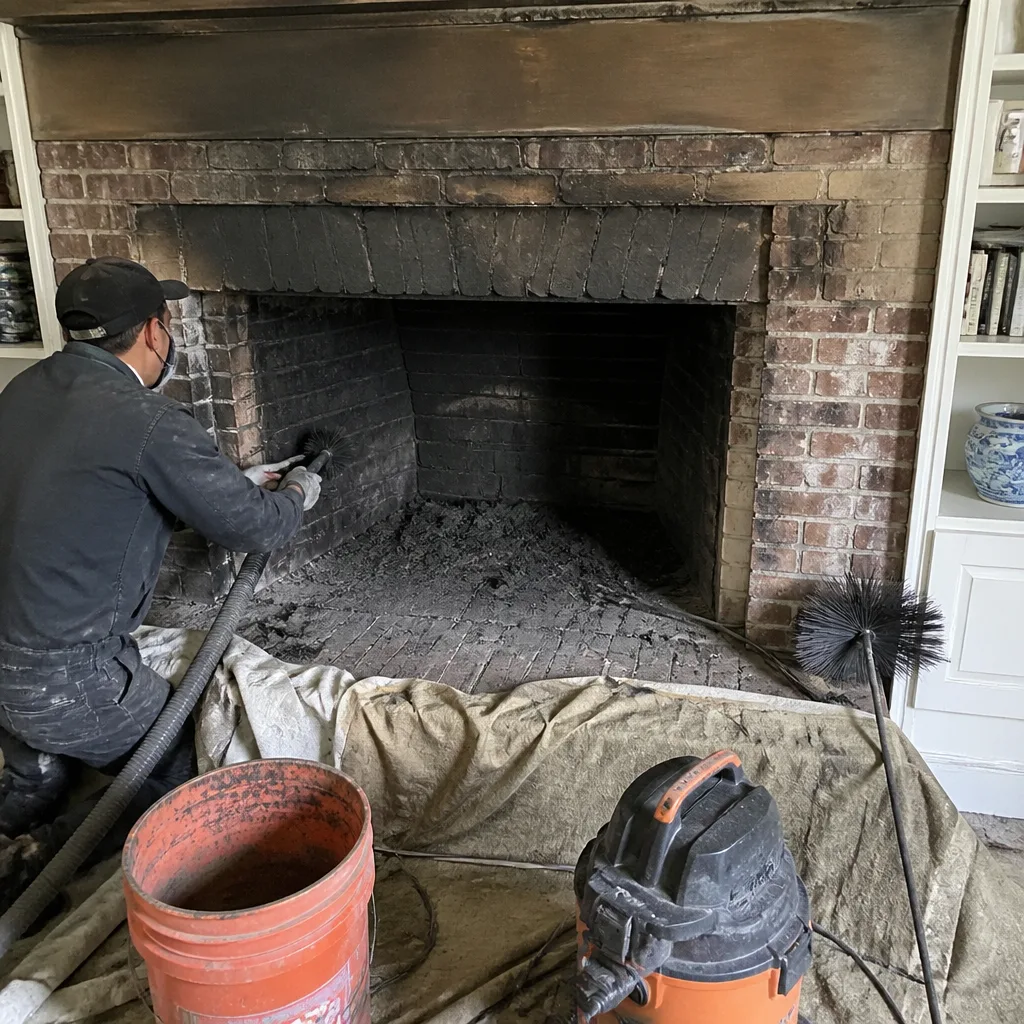
A chimney cleaning in Garden Oaks should take more than twenty minutes and follow a recognizable sequence. If the process is invisible to you, that’s the first clue the visit was rushed. A proper sweep involves protection of the work area, full flue access, cleaning top-to-bottom or bottom-to-top depending on the appliance, and removal of debris. Then comes the inspection, which is separate work.
Numbered, the process looks like this:
- Set up protection. Drop cloths, floor coverings, and a sealed vacuum system to keep the house clean.
- Inspect before cleaning where access allows. The firebox, damper, and any gas insert connections get checked first.
- Clean the flue. Full-length brushing with the appropriate tools for the flue size and liner type.
- Clean the firebox, smoke chamber, and smoke shelf. The places creosote and buildup hide.
- Vacuum and clear debris. Nothing left in the firebox or floor.
- Inspect the flue tiles, damper, cap, and crown. Note every crack, gap, or deterioration with a photo if possible.
- Write the report. A summary of findings and any recommendations, with costs for anything proposed.
That last step is the one that matters most for a homeowner. It gives you a paper record, so you can compare estimates, decide when to act, and know what condition your chimney was in at the time of service. We perform NFPA 211-aligned inspections and hand over the findings in writing because we’ve seen what happens when homeowners skip this step and end up with a problem nobody documented.
How Garden Oaks Climate and Housing Shape Chimney Work
Winters here are mild, so chimneys in Garden Oaks aren’t stressed by freeze-thaw cycles the way they are up north. What stresses them instead is moisture from the other direction. Houston’s humid summers and heavy rain seasons work on masonry gradually, soaking into mortar joints and crowns, and the visible result is the spalling, cracking, and softening you can spot on chimneys around the neighborhood.
Masonry fireplaces built in the mid-twentieth century, as many in Garden Oaks are, also see a particular pattern: original clay flue tiles that have cracked over the decades, dampers that no longer seal, and crowns that have weathered. That’s why sweeping alone doesn’t solve much around here. The inspection matters more than the brush stroke, because the issues we find most often aren’t inside the flue. They’re on the outside of the chimney where the rain gets in.
We work with the trade brands that hold up in this climate: chimney cap & crown work using Gelco and Famco products, and flue-restoration materials from HeatShield and DuraFlex for liners. A proper cap keeps water and animals out of the flue year-round, and a solid crown sheds rain away from the masonry. Both are inexpensive relative to what water damage can turn into.
If you’ve been told your flue tiles are cracked or your crown is failing, ask any contractor you interview how they’d handle it. In many cases, full relining isn’t necessary. Resurfacing the existing flue is an option, and HeatShield’s ceramic resurfacing technology is a recognized method for exactly that. Anyone who jumps straight to “you need a full liner” without explaining why is either guessing or upselling.
Common Mistakes to Avoid
- Booking a sweep without asking about the inspection. Cleaning without inspection is half a job. You pay for a service that leaves the actual condition of your chimney unknown, which is exactly the situation that lets problems grow.
- Taking the cheapest quote without comparing scope. The lowest number is often the least work. Compare what’s included, not just the price.
- Assuming a handyman who “does chimneys” is a specialist. Generalists can brush a flue, but they can’t resurface a tile or install a liner, so the moment a repair is needed you’re back to square one.
- Ignoring the crown and cap entirely. In Garden Oaks, these are often the biggest source of long-term damage. If a contractor never looks at the roof, the visit is incomplete.
- Falling for urgency without evidence. A crack in a flue tile should have a photo and a clear explanation with it. If there isn’t one, don’t sign anything.
- Never getting the estimate in writing. A verbal estimate isn’t a price. Ask for the itemized version before you book and keep it.
- Skipping the inspection because the chimney “works fine.” A chimney that drafts well can still have a hidden tile crack, a compromised damper, or a loose crown. The inspection is how those get caught before they need real money to fix.
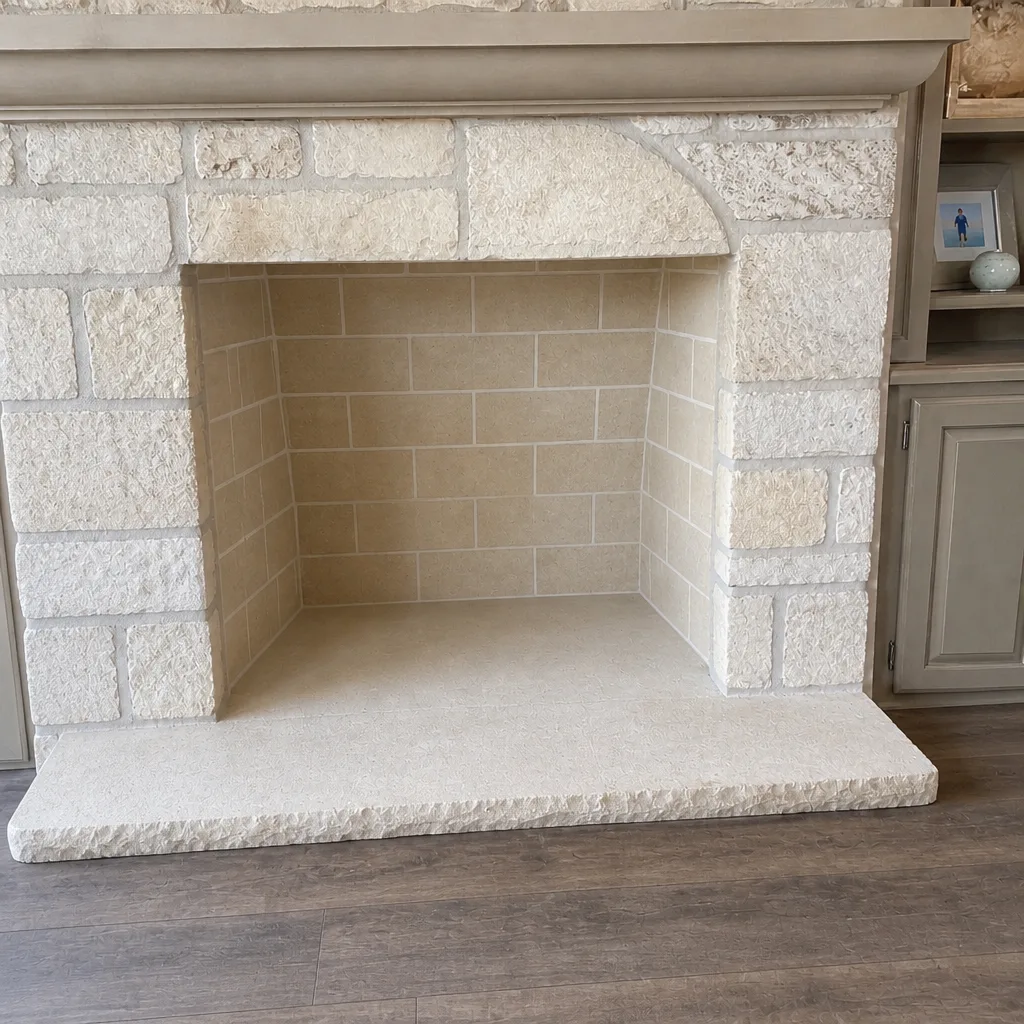
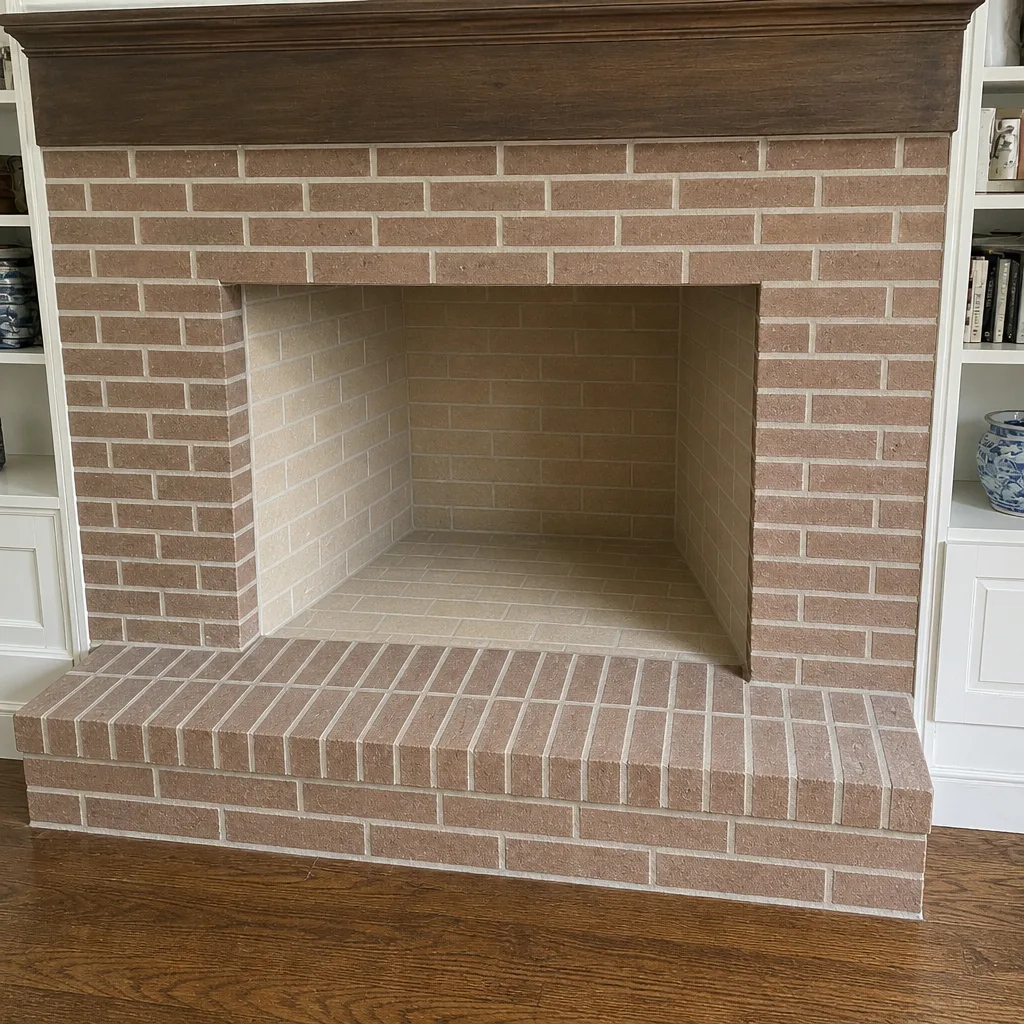
See the difference
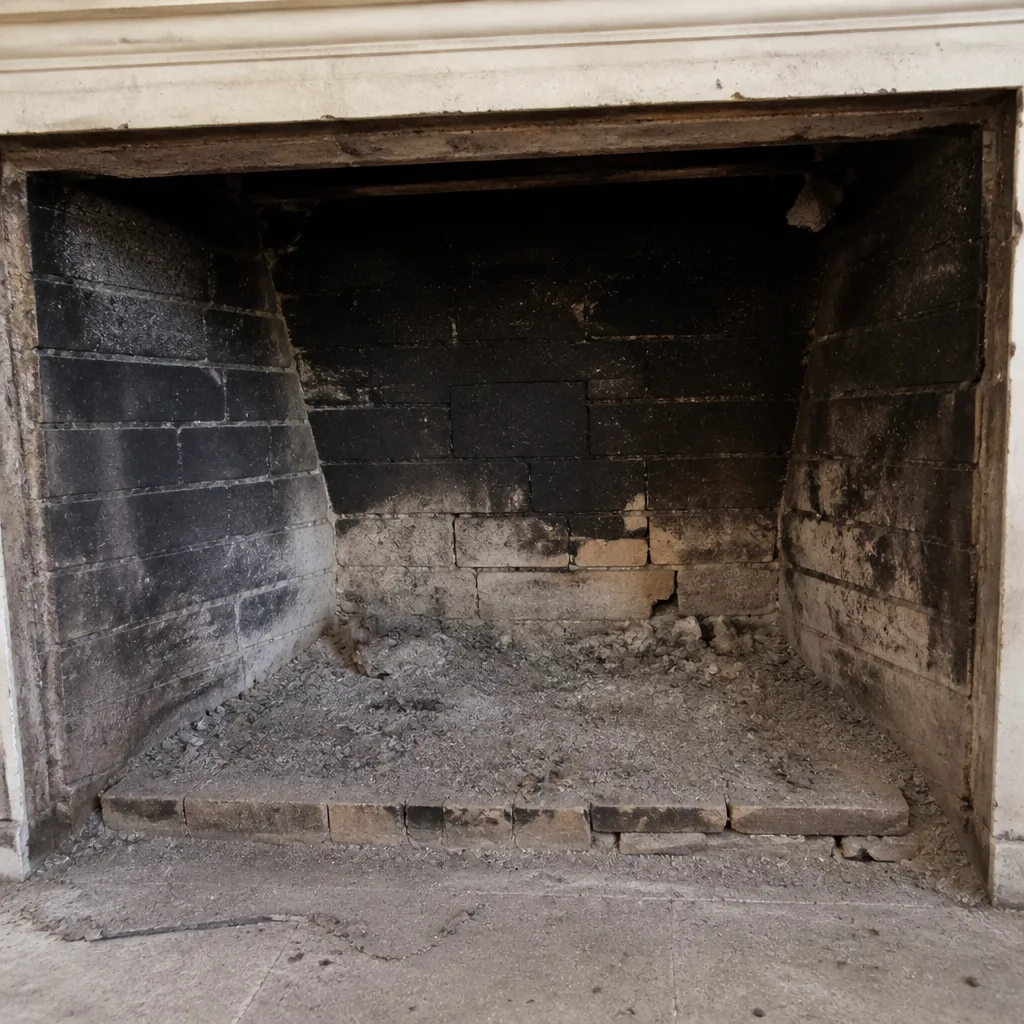 Before
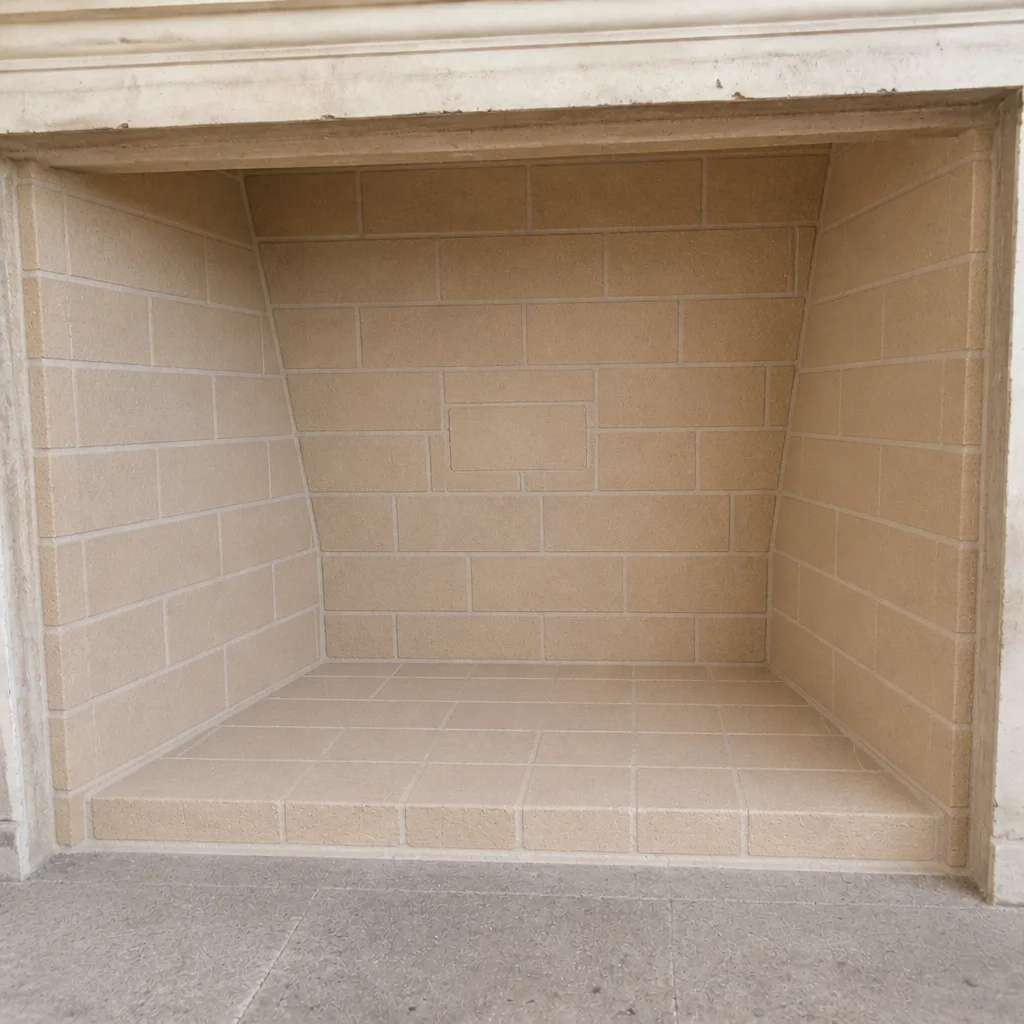 After
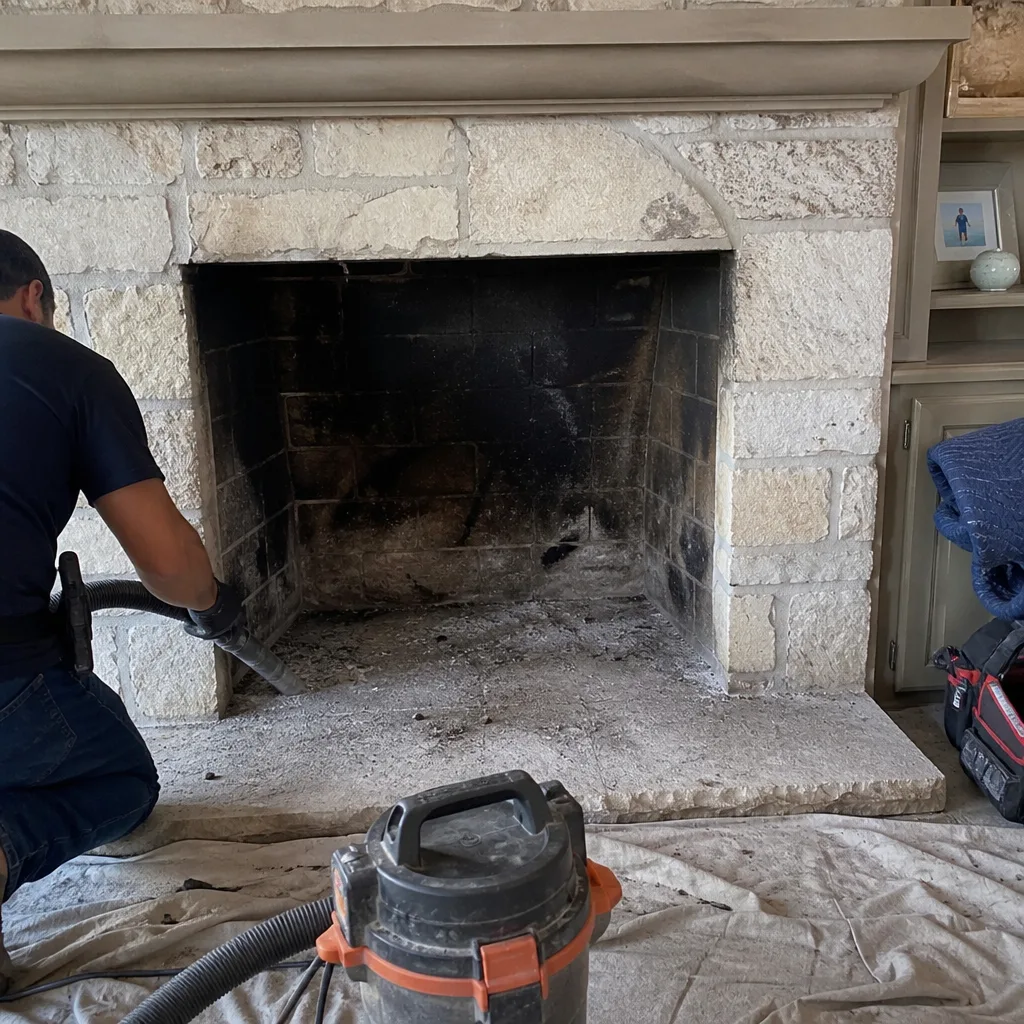 Before
 After
 Before
 After
When to Call a Professional
Call a professional chimney contractor in Garden Oaks if any of these describe your situation: you don’t know when the chimney was last swept, you’ve noticed creosote buildup on the firebox walls, there’s smoke coming back into the room when the fireplace is lit, you smell a sour or smoky odor in the house on warm days, or the chimney has visible damage to the crown or cap. Any of those is a reason to get a professional opinion rather than a DIY attempt. The same goes for a gas insert that hasn’t been inspected, or a chimney you’ve been told needs work by an inspector or a neighbor.
Chimney Sweep Garden Oaks offers free estimates in Garden Oaks. Call (844) 299-4971. We answer 24/7. Fast dispatch from 7am to 7pm, Sunday through Friday. The estimate is free and the written estimate sets the final price.
Frequently Asked Questions
Ask for the CSIA certification number and confirm it through the issuing organization’s lookup, then ask whether the certified sweep is the person arriving on the job, not just an owner who supervises. Confirm they perform NHPA 211-aligned inspections and provide written findings. If they can’t produce a certification number and a written report, book someone who can. Call (844) 299-4971 for a free estimate.
Texas doesn’t require a chimney-specific trade license, which is why vetting matters more here than in licensed states. Instead, look for third-party credentials like CSIA certification, NFPA 211 knowledge, and a written inspection report. That combination is a more reliable indicator than any state-issued card would be. Call (844) 299-4971 for a free estimate.
A legitimate estimate itemizes the cleaning scope, the inspection standard, any recommended repairs listed separately, and the specific materials to be used. It also states what’s not included so you aren’t surprised later. If the estimate is a single line item with a total, expect changes once the crew is on site. Call (844) 299-4971 for a free estimate.
A sweep who undercuts the market almost always makes up for it by skipping the inspection, skipping the smoke chamber cleaning, or pushing a repair they can’t actually perform. Cheap visits lead to return visits, and the second visit costs more than the first. Compare scope, not just price. Call (844) 299-4971 for a free estimate.
Only if the inspection supports it. A cracked or deteriorated flue can often be addressed by ceramic resurfacing rather than a full relining, and any recommendation should come with a photo and a clear explanation. If you’re told you need a liner and there’s no evidence with it, get a second opinion. Call (844) 299-4971 for a free estimate.
General handymen can brush a flue, but they can’t resurface a cracked flue tile, install a properly sized flexible liner, or specify the right crown and cap for the system. Those are specialist tasks with trade-specific materials. When the repair matters, the specialist is the safer choice. Call (844) 299-4971 for a free estimate.
The general rule is an annual inspection, with cleaning based on what the inspection finds. With a wood-burning fireplace in regular use, a yearly sweep is standard. With a gas insert, the annual inspection may be the main visit, cleaning less frequent. Either way, don’t wait for a problem to schedule it. Call (844) 299-4971 for a free estimate.
Most often, nothing visible goes wrong at first. The cleaning looks fine, the sweep leaves, and the cracked tile or saturated crown goes unaddressed until it becomes a bigger repair. That’s why the written inspection report matters: it’s the record of condition you can compare over time. Call (844) 299-4971 for a free estimate.
The Bottom Line
Hiring a chimney cleaning contractor in Garden Oaks comes down to a handful of checks that take about ten minutes. Verify the certification and who’s arriving. Ask the five questions about inspection, liners, tile repair, cap and crown, and written estimates. Get an itemized price before you book. Compare scope, not the bottom line. Get a written report after the visit. Do those and you’ll separate specialists from generalists, avoid the low-bid trap, and know exactly what condition your chimney is in. We handle the whole system at Chimney Sweep Garden Oaks, from cleaning and inspection to fireplace repair and cap installation, and we’re ready when you are.
For a chimney sweep or a full inspection in Garden Oaks, call (844) 299-4971 for a free estimate. We answer 24/7. Fast dispatch from 7am to 7pm, Sunday through Friday. From the firebox to the cap, we handle it. Our technicians have up to 14 years of experience, and we use the same materials chimney professionals specify, including DuraFlex, HeatShield, Olympia Chimney, Copperfield, Gelco, and Famco.
Whether you’re ready to book a cleaning or just want an inspection to know where your chimney stands, our Chimney Sweep Garden Oaks team can help. Start with a call, get the estimate in writing, and let the evidence guide the next step.
Written by the team at Chimney Sweep Garden Oaks.