
Last updated November 22, 2026
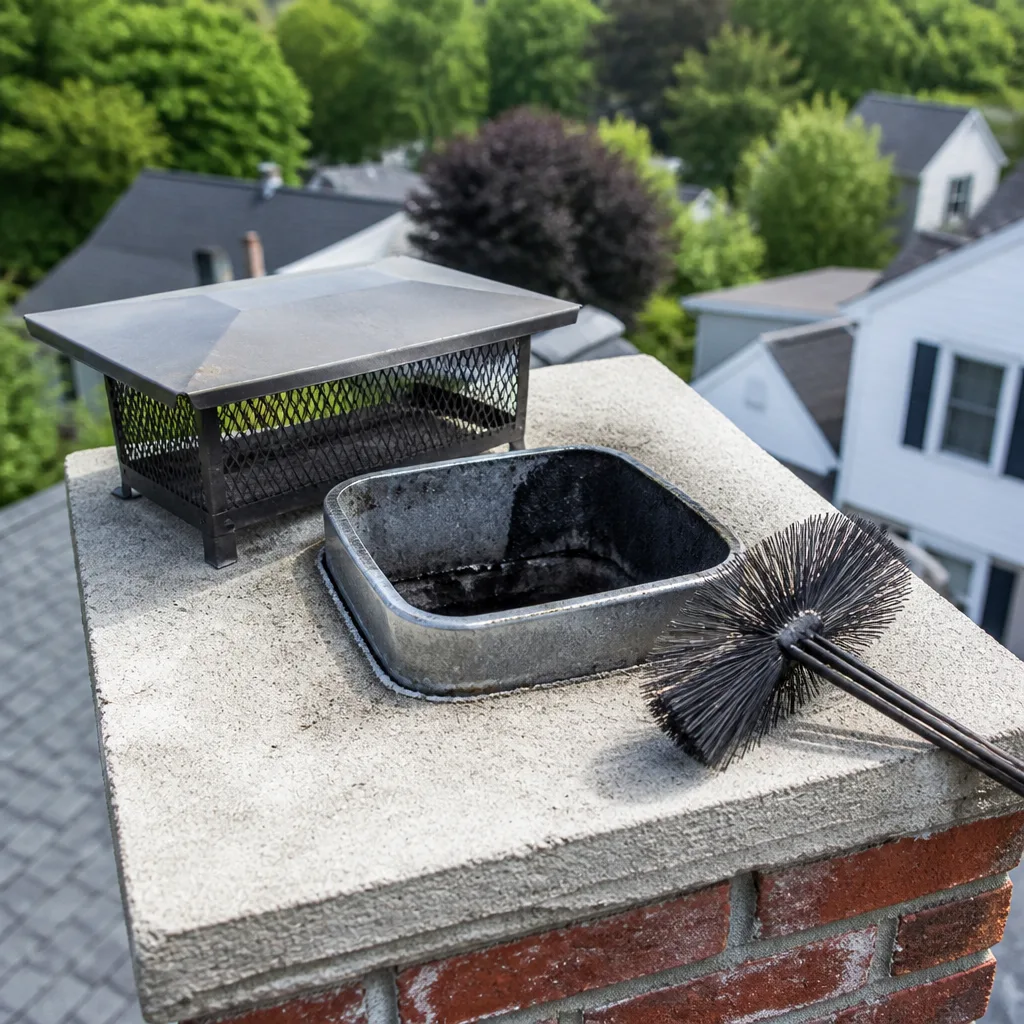 Sweep & inspection
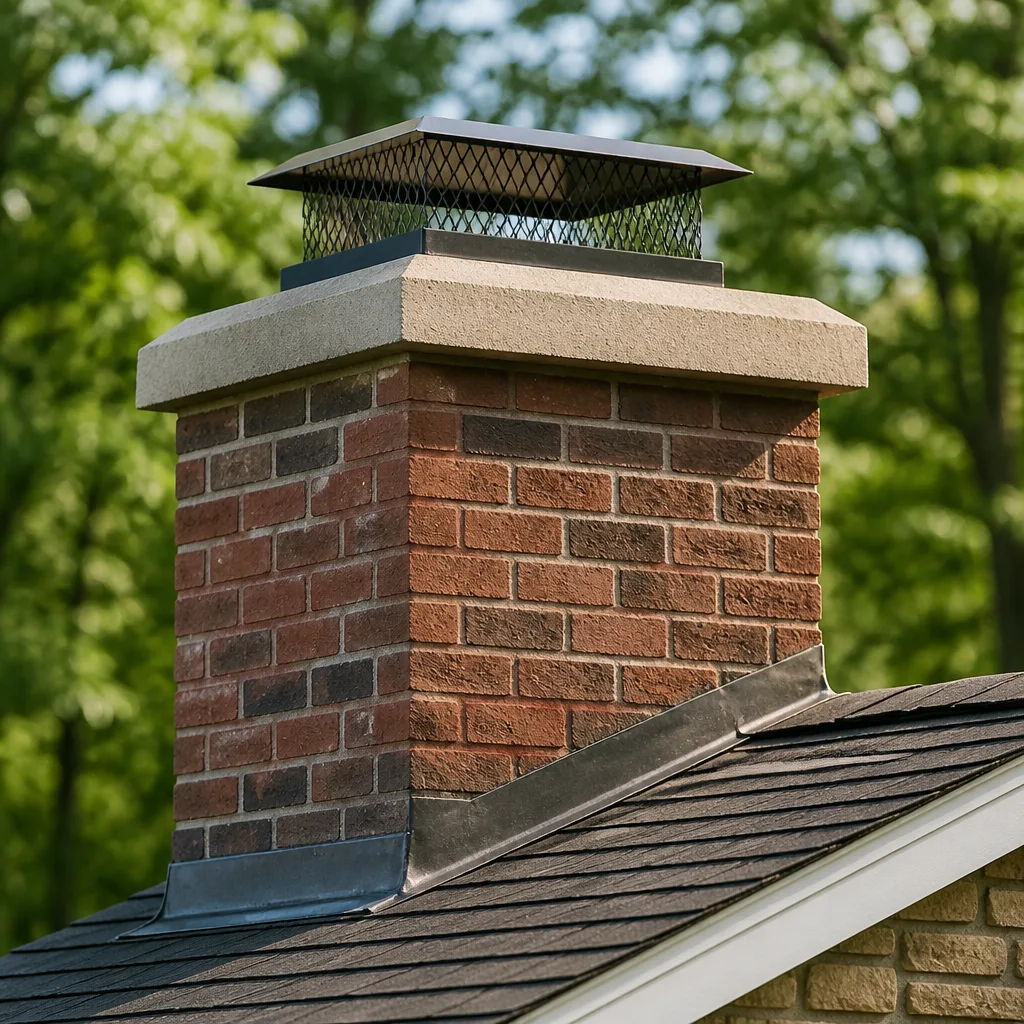 Caps & crowns
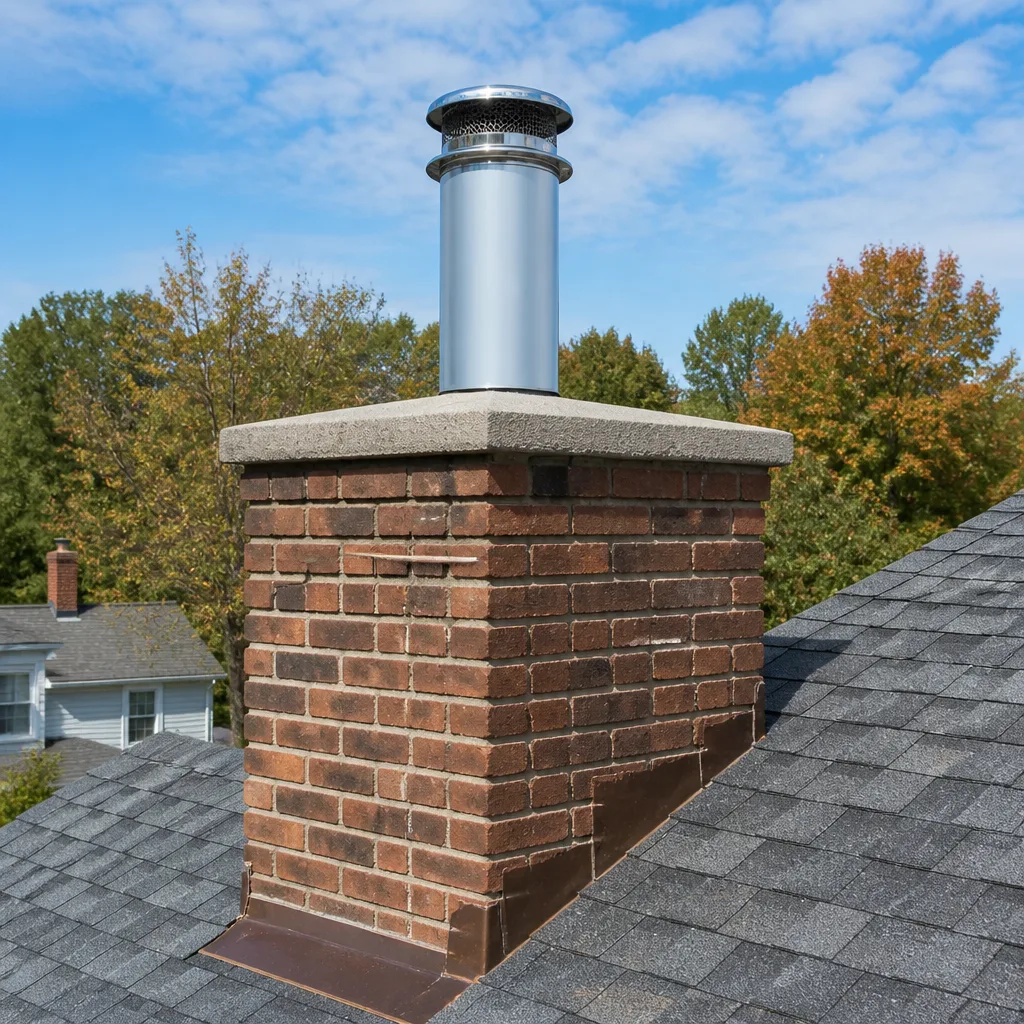 Flue relining
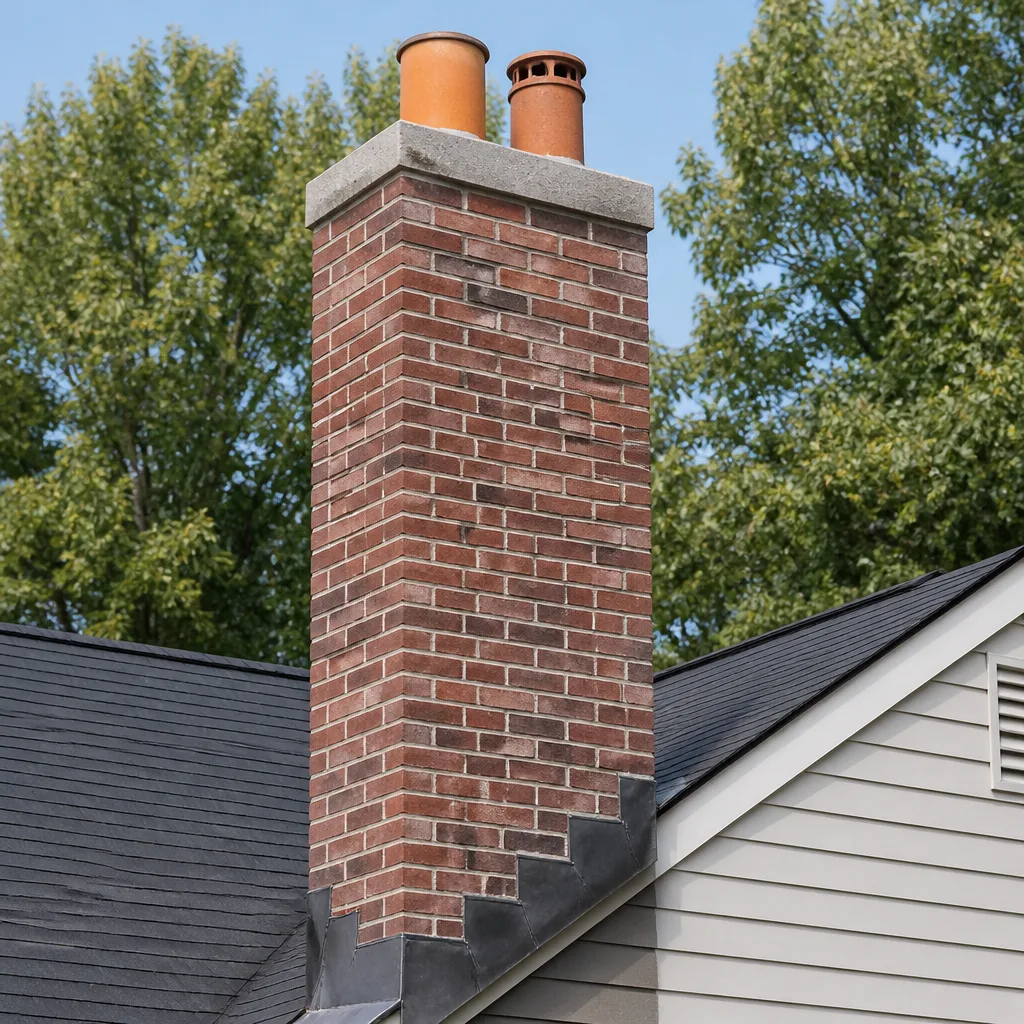 Masonry repair
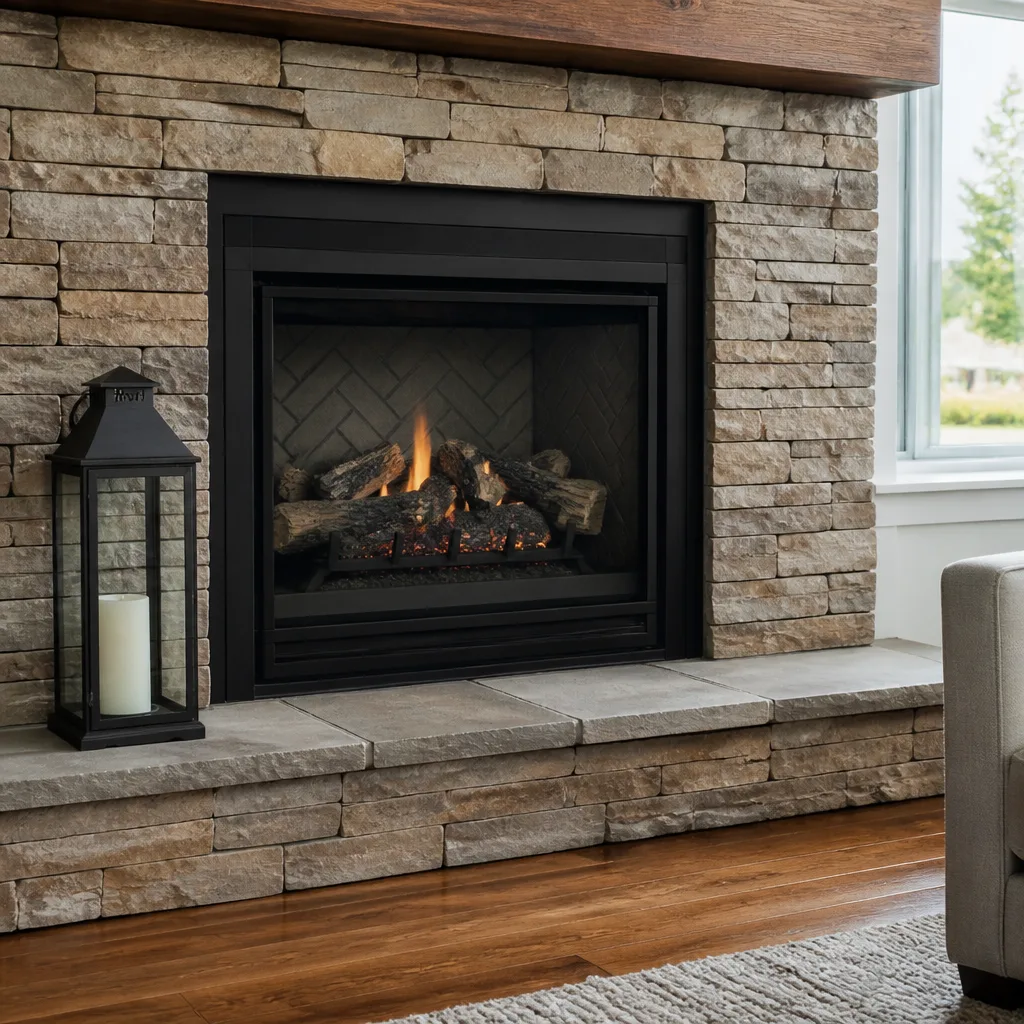 Gas fireplace service
Level 1 sweep and inspection to the NFPA 211 annual standard - flue, crown, cap, and flashing checked and photographed
Chimney sweep logs do not sweep chimneys. They loosen some creosote - which then falls where a brush and vacuum still have to collect it.
Chimney Sweep Maintenance Checklist for Garden Oaks Homeowners
Most chimney maintenance checklists you find online were written for a climate where freeze-thaw cycles are the main threat. In Garden Oaks, the real enemy is moisture and biological growth during the eight months your fireplace sits idle. Houston’s humidity works on masonry, mortar, and metal steadily, quietly, and mostly out of sight. A checklist copied from a northern site sends you looking for frost damage that will never happen here while you miss the things that will. This guide lays out what to check before the season, during it, and after it, which tasks you can do yourself, and which ones belong to a professional. Chimney Sweep Garden Oaks works on Garden Oaks chimneys every season, and this is the list we’d hand a neighbor.
Quick Answer
A Garden Oaks chimney maintenance checklist should cover three phases: a pre-season inspection before your first fire (animal intrusion, moisture damage, mortar condition after summer), quarterly mid-season visual checks you can do yourself, and post-season steps that protect the flue through the humid off-months. The single most important item is a professional sweep and inspection before burning. Everything else builds on that foundation, and moisture control matters more here than anything a freeze-based checklist addresses.
Styles & brands we work with
- Sweep & inspection
- Caps & crowns
- Flue relining
- Masonry repair
- Gas fireplace service
Table of Contents
- Pre-Season Checklist: Coming Out of a Gulf Coast Summer
- Mid-Season Checks You Can Do Without Tools
- Post-Season Steps That Protect the Chimney Through Humidity
- What You Can Inspect Yourself and What Needs a Professional
- Why Moisture, Not Frost, Is the Real Threat in Garden Oaks
- How to Document Chimney Condition Year Over Year
- Materials That Hold Up in This Climate
Pre-Season Checklist: Coming Out of a Gulf Coast Summer
Your chimney has spent the warmer months unused, and in Garden Oaks that means months of heat and moisture working on it. This is the phase where the most can go wrong without anyone noticing, and it’s the phase where a careful walk-around pays off. Work through these before your first fire of the season.
- Look at the cap and spark screen. A missing, rusted, or bent cap is the single most common entry point for trouble here. Birds, squirrels, and raccoons treat an open flue as shelter, and the nests they leave behind are flammable. Check that the cap is intact and seated and that the screen isn’t torn.
- Scan for moisture staining. Water streaks on the exterior masonry, dark patches on the firebox walls, or white powdery bloom on the mortar all point to water getting in. Bloom is mineral salts drawn to the surface as moisture moves through the brick, and it’s a signal, not just a cosmetic flaw.
- Check mortar joints. After a summer of sun and rain, look for crumbling, recessed, or missing mortar between bricks. Recessed joints hold water, and once water sits in a joint through the humid months, the repair only gets bigger.
- Test the damper. Open and close it before the season. It should move freely and seal reasonably well. A damper stuck open lets conditioned air and moisture straight up the flue all year.
- Inspect the firebox floor and walls. Look for cracked firebrick, loose mortar, or gaps where the firebox meets the surround. Hairline cracks in the firebrick are common and not always serious, but a cracked or displacing brick is a professional’s call.
- Confirm you can smell nothing odd. A sour, smoky, or musty smell from the fireplace when it isn’t in use often means creosote, moisture, or a nest. That smell is your nose doing an inspection.
Run this list in early autumn, before Garden Oaks gets its first cool evening. Once you’re burning, problems get hidden behind fire and smell. A chimney sweep and inspection before the season starts is the piece most homeowners leave out, and it’s the piece that catches what a look-around can’t.
Mid-Season Checks You Can Do Without Tools
You don’t need a ladder or a flashlight to catch a developing problem during the season. Your senses do most of the work. What you’re tracking is a change from the normal pattern, because a wood-burning chimney should behave the same way, fire after fire.
- Smoke where it used to go up. Some smoke at the start of a fire is normal, especially in a cold flue. Smoke that spills into the room every time you light a fire, or that rolls back when the fire is going well, points to a draft or blockage problem. That’s a professional check.
- Smell inside when you’re not burning. A wood-fired chimney can let a little odor through when the flue is cold. But a strong, persistent smell in the room when there’s no fire, especially on a humid day, means the flue isn’t sealing or there’s debris or moisture in it.
- Watch the flame color and behavior. A fire that struggles, smokes heavily, or leaves the glass on a gas insert cloudy can point to inadequate draft or a restricted flue. Persistent cloudy glass on a gas unit is a sign the appliance needs attention.
- Listen. Crackling from settling creosote, a hissing or roaring that sounds wrong, or birdsong coming from the hearth when the flue is closed are all reasons to stop and get it checked. Never brush off a strange sound from a chimney.
- Hear and feel the damper. If it becomes stiff or won’t hold its position, note it. Damper problems are cheaper fixed in the season than after a stuck-open damper has let moisture in for months.
None of these checks requires a tool, and each one takes a minute. Writing down what you notice gives a professional a head start when you call. In our experience, a homeowner who can describe the pattern saves time on the diagnosis and gets to the fix faster.
Post-Season Steps That Protect the Chimney Through Humidity
The season ends and most people forget the chimney until autumn. That gap is exactly when Garden Oaks chimneys take on the moisture that shows up as a repair bill later. The off-season is the maintenance window that matters most in this climate, so treat it as part of the checklist, not a break from it.
- Get the flue swept after your last fire. Creosote left sitting through the humid months absorbs moisture, corrodes a metal liner, and weakens a masonry flue. A chimney sweep after the burning season clears the residue before the rainy stretch. This one step prevents more off-season damage than any other.
- Close the damper and confirm the cap is sealed. The cap is your first line against rain, and a damaged cap lets water run straight into the flue. Check it after the season, when you’ve had fires going and haven’t looked up top in months. If it needs replacing, a chimney cap & crown repair is a small job done before the damage spreads.
- Clear the firebox and ash pit. Ash holds moisture, and a full firebox traps damp in the masonry through the off-season. Empty it once the season’s done and leave the firebox dry and open to air.
- Look for signs of animals. Once you stop burning, an open flue looks like real estate to a squirrel or bird. A nest left in place through the summer blocks the flue and creates a fire and carbon monoxide risk when you light up again. Check for droppings, nesting material, or noises when the season ends.
- Check the crown. The crown is the concrete or masonry top of the chimney that sheds water off the structure. A cracked or crumbling crown lets water into the top of the masonry, where it travels down and shows up as a stain or a soft brick months later. Crown damage is one of the most common things we find in Garden Oaks chimneys after a wet summer.
Do these after the fires stop and before the rainy stretch. That timing keeps moisture out of the flue during the months it would otherwise sit wet.
What You Can Inspect Yourself and What Needs a Professional
A homeowner can see a lot from the ground and from the firebox, and doing so makes you a better partner for a professional. What you shouldn’t do is climb the roof or reach into the flue. The line between a legitimate visual inspection and a job for a trained technician comes down to access, tools, and risk.
Safe for you to check:
- The firebox walls, floor, firebrick, and mortar joints at eye level.
- The damper, opened and closed by hand.
- The cap and screen, seen from the ground with binoculars or from a window.
- Exterior masonry staining and the condition of mortar visible from below.
- Smell, smoke behavior, and flame quality during a fire.
Needs a professional:
- Anything on the roof or the top of the chimney, including the crown and the upper flue.
- The inside of the flue, which requires a camera to inspect for cracks, gaps, and creosote buildup.
- Confirming whether a cracked flue tile is cosmetic or structural. This is where we see homeowners talk themselves into the wrong answer, because the difference matters and it’s not visible from the hearth.
- Any repair to firebrick, the crown, or the liner. These are structural components, not surfaces to patch.
We perform NFPA 211-aligned chimney inspections, which walk the system in a set order and look for hazards before they become a fire or carbon monoxide risk. If you want to know what your chimney actually needs, that inspection is the way to find out. We tell you what your chimney actually needs, no upsell and no scare tactics, and we can show you the evidence so you’re deciding on facts rather than someone’s word.
Why Moisture, Not Frost, Is the Real Threat in Garden Oaks
Copied checklists are built around a threat that barely exists here. In places with hard winters, water freezes inside brick and mortar and splits it apart, so those guides focus on winter damage. Garden Oaks doesn’t have that problem. What it has is warm, humid air for most of the year and a long stretch of rain, and those two conditions work differently on a chimney.
Moisture damage here is slower and quieter. Water enters through a cracked crown, a bad cap, or an open joint and sits in the masonry. In a wet, warm climate, that damp encourages moss and algae on shaded mortar, drives mineral bloom to the surface, and softens the joints over months. The result isn’t a dramatic split; it’s a mortar joint that’s slowly crumbling from the inside, a brick that eventually spalls because water sat in it, or a metal liner that rusts from its collected moisture. None of it shows up overnight, and none of it triggers the alarm a broken brick would.
For a masonry chimney, this means the cap and crown that shed water are the two most important components you own, and the reason we replace caps with trusted chimney cap & crown products rather than any box-store cover. For a metal liner, it means the flue needs to stay dry and free of corrosive creosote through the humid off-season. For a fireplace, it means a wet firebox or a rusted damper needs attention before it becomes a bigger structural repair through fireplace repair.
The takeaway: in Garden Oaks, think water first, always. If you maintain one thing on this checklist, keep water out of the chimney.
How to Document Chimney Condition Year Over Year
Most chimney damage develops slowly enough that it’s easy to miss year to year and jarring when it’s finally found. A simple record makes the changes visible. You don’t need anything more than a notebook or a phone note, and the payoff is catching a slow-developing issue while it’s still a repair instead of a rebuild.
- Keep your inspection reports together. Every professional inspection produces findings, and the findings are more useful side by side than each on its own. The same “monitor this” note in one report reads very differently when it also appears in the report from two years back.
- Photograph the same spots each season. The cap from the ground, the firebox walls, the mortar on the front face of the chimney. Consistent photos let you see a crack widen or a stain spread, which words often miss.
- Note the date of each sweep and any repair. Knowing when the flue was last swept and what was replaced tells you whether you’re due for another and whether an old repair is still holding. This is what we track whenever we revisit a Garden Oaks chimney.
- Record what you noticed and when. A smell that started in May, a damper that stiffened, a bird that got in. It’s a logbook of the chimney’s behavior, and it gives a professional evidence to inspect against.
The point isn’t paperwork for its own sake. It’s to catch a small problem before it’s a structural one. Slow-developing issues are exactly what a written history exposes and what memory lets slip.
Materials That Hold Up in This Climate
A checklist only holds up if the parts you replace hold up. In a humid climate, the difference between a well-chosen component and a generic one is measured in seasons, not decades. This is where working with professional-trade brands matters, because the materials are built for the conditions.
- Caps and crowns: We install Gelco and Famco products for cap and crown work, chosen because they protect the flue from water intrusion, animals, and debris long after the service call. A cheap cover rusts out in a season or two here; these are made to last.
- Liner restoration: When a flue has cracked tiles or a roughened interior but doesn’t need full relining, HeatShield ceramic resurfacing can extend the chimney’s life and smooth the flue back into service. It’s a specialist option most generalists can’t perform, and it fits a climate where the tiles take on moisture over years.
- Relining: For an aging or damaged flue, a DuraFlex flexible liner is the standard for bringing the system back into working order. It’s a formal capability, not a brush-and-vacuum job, and it’s the right answer when the existing flue can’t be restored.
- Component consistency: Olympia Chimney and Copperfield parts round out the lineup for the smaller pieces that keep a system working in step. One company handling the whole system means the cap, crown, liner, and firebox are specified to work together rather than being mismatched by separate contractors.
The reason we stock and install these brands is simple: they’re the same materials chimney professionals specify nationwide, not big-box substitutes. Built to last, not patched to pass inspection. When you spend on a repair, it should reflect this climate, not a mismatched part.
Common Mistakes to Avoid
- Skipping the sweep because the last fire “looked fine.” How a fire looks tells you nothing about what’s coating the inside of the flue. By the time creosote affects a fire, it’s already too late to prevent the buildup. For a Garden Oaks chimney, the sweep happens before the season and after it, regardless of what the fire looked like.
- Letting a summer of moisture go unnoticed. Many homeowners only look at the chimney in autumn. In this climate, the wet, warm off-season is when the damage happens, so the post-season check matters as much as the pre-season one.
- Assuming a cap is optional. A missing cap is an open flue, and in Garden Oaks that means water, debris, and animals enter all year. Nothing else on the checklist protects against three hazards at once the way a good cap does.
- Patching a cracked crown instead of repairing it. A tube of sealant over a crumbling crown buys you one wet season before it fails again. Water keeps working in, and a crown that should have been replaced becomes a masonry repair with a bigger bill.
- Mistaking DIY competence for access. Looking at the firebox is fine. Climbing the roof to check the crown is how homeowners get hurt, and the inspection that matters needs a camera in the flue anyway.
- Trusting a generalist for a structural repair. A handyman can sweep a chimney, but relining a damaged flue or restoring a firebox needs the tools, materials, and training specific to the trade. Getting it wrong is a safety and a cost problem.
- Forgetting the firebox and damper. The firebox and damper take the daily wear, and a rusted or sticking damper lets moisture in and draft out. It’s one of the checklist items people skip until there’s a problem.
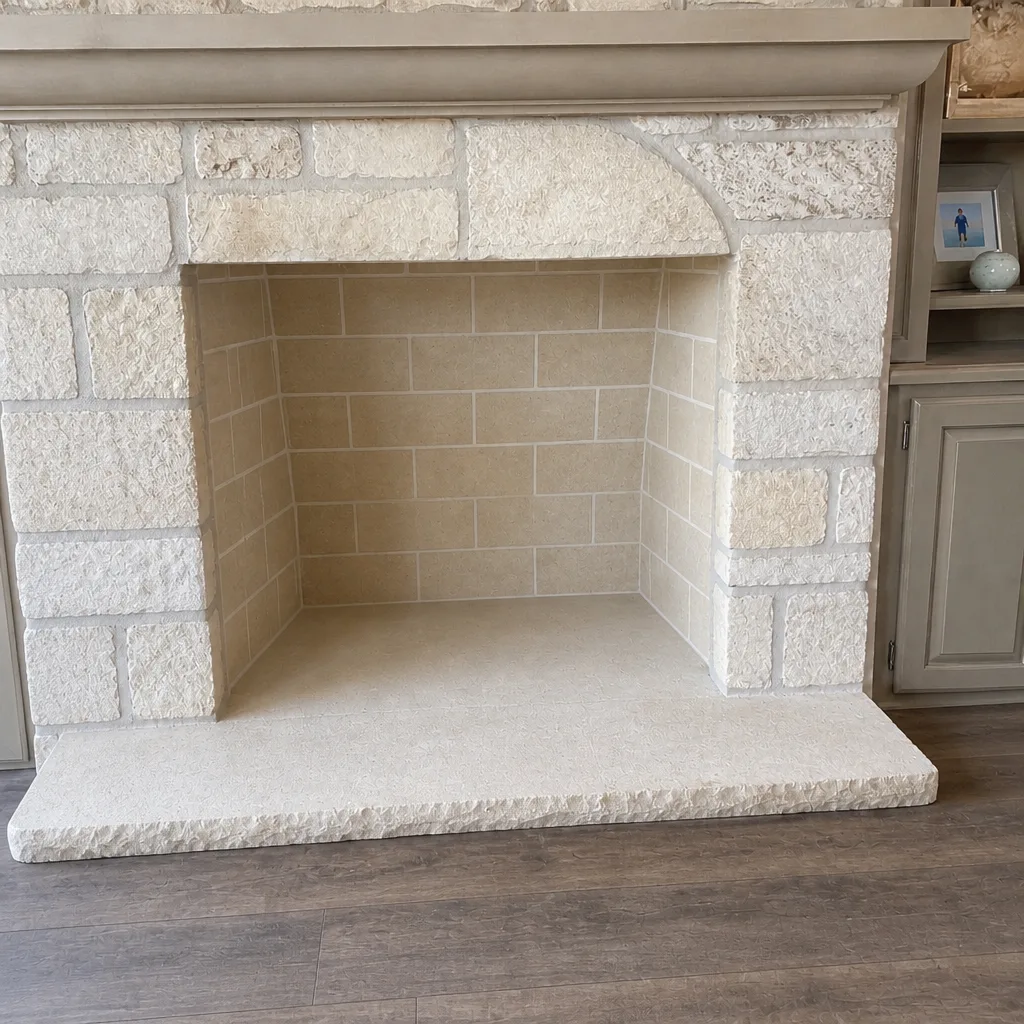
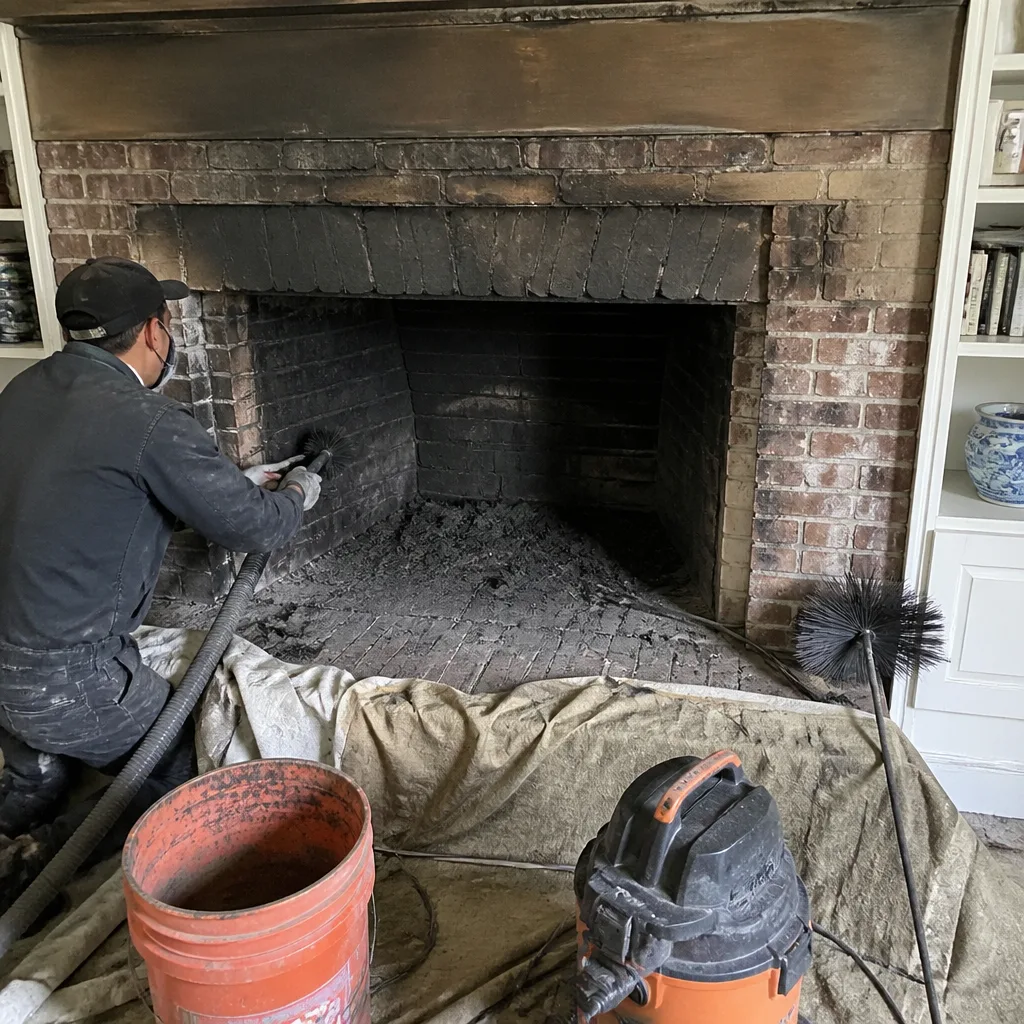
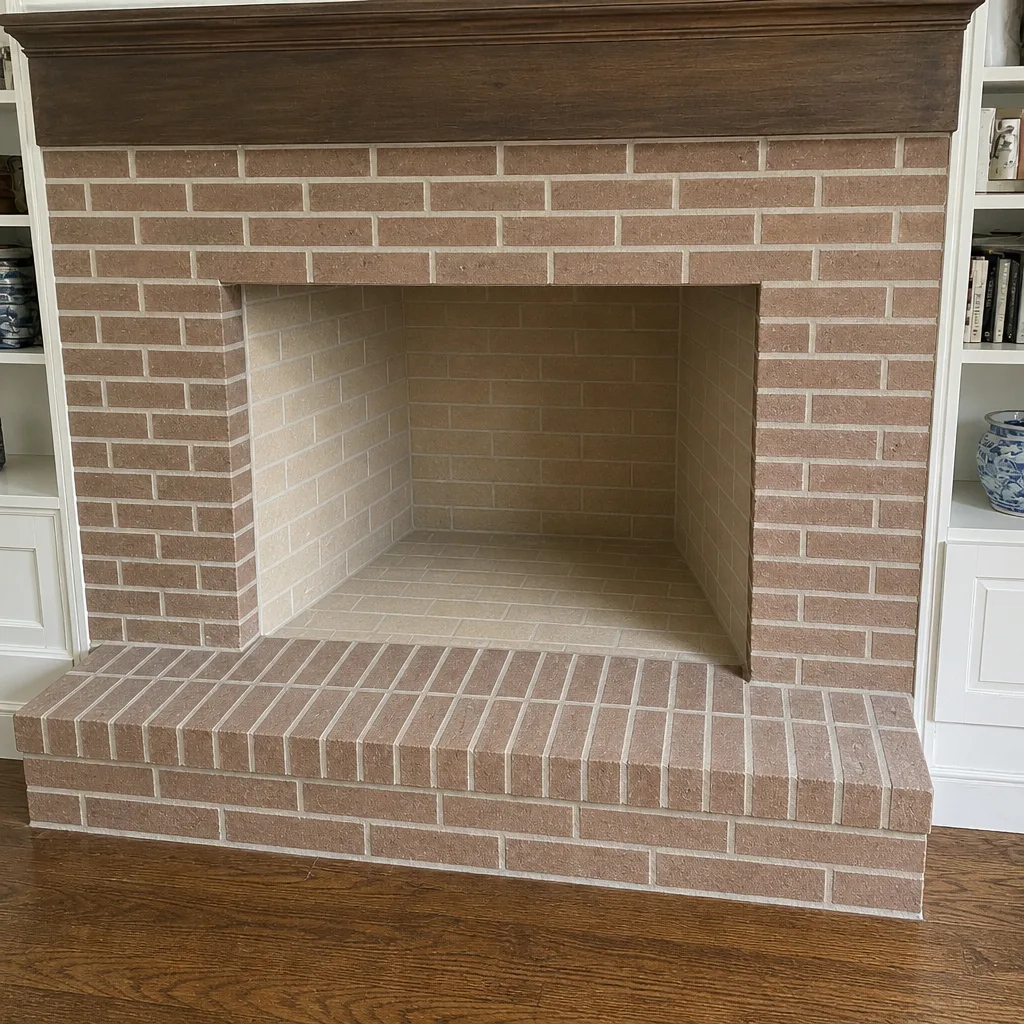
See the difference
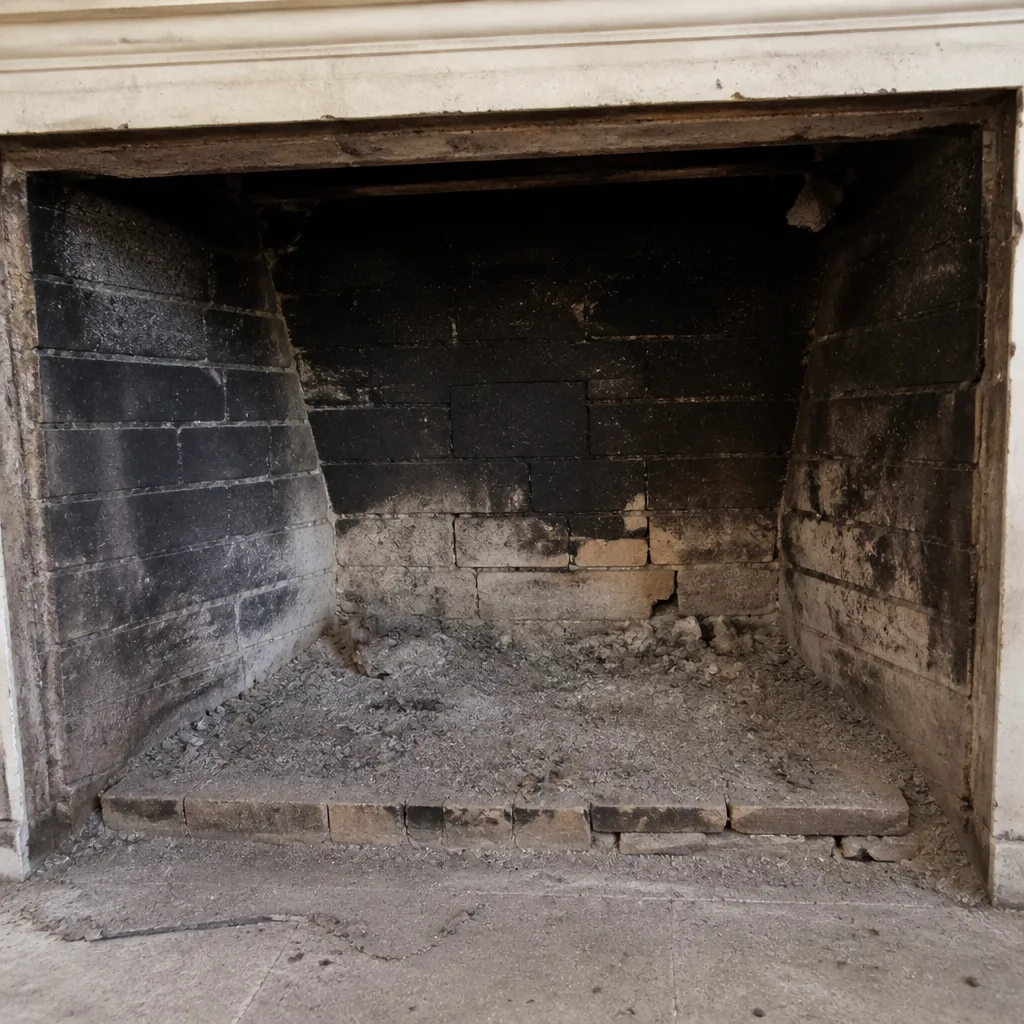 Before
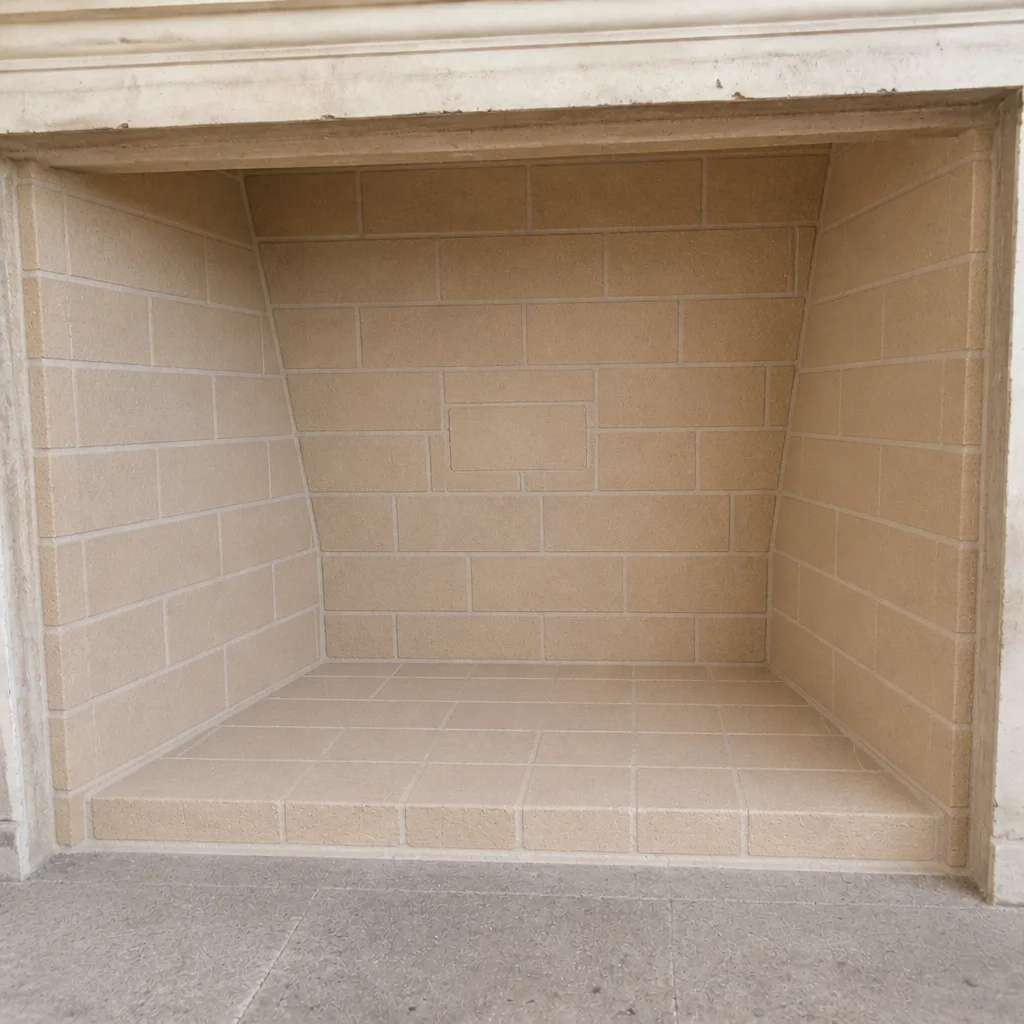 After
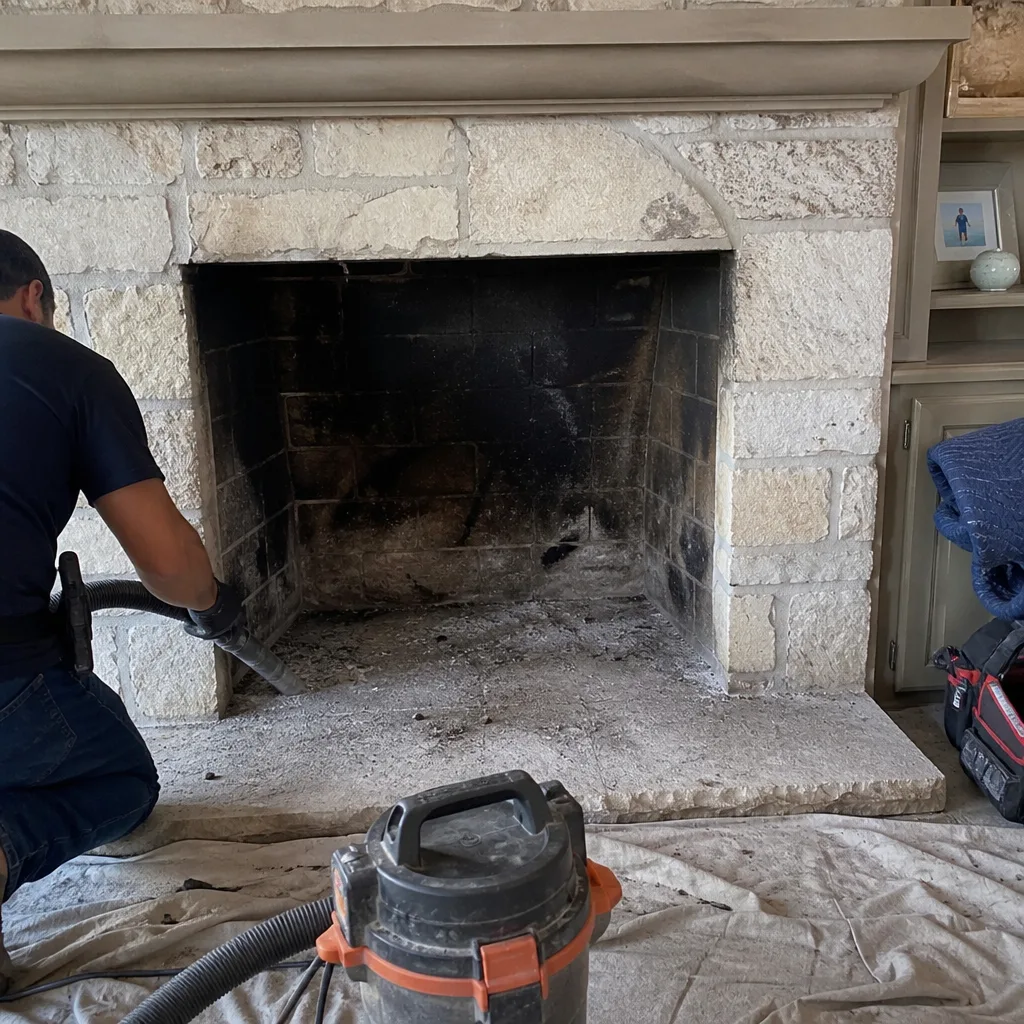 Before
 After
 Before
 After
When to Call a Professional
Some items on this checklist are yours to check, and some need a trained eye. Call a professional when you smell smoke or a persistent odor in the room when there’s no fire; when a damper won’t close or won’t hold its position; when you see cracked or displacing firebrick, crumbling mortar, or water staining on the masonry; when birds or animals have been in the flue; or when a seasonal inspection hasn’t been done in a while. In a Garden Oaks summer, a cracked crown or a damaged cap is worth a look even before you notice a problem inside. Chimney Sweep Garden Oaks offers free estimates in Garden Oaks, call (844) 299-4971. We answer 24/7, with fast dispatch from 7am to 7pm. We use the same materials chimney professionals specify and can work the whole system from the firebox to the cap.
Frequently Asked Questions
Plan on a sweep at least once a year, timed to your burning season, and more often if you use the fireplace heavily. In this climate, sweeping before the season and clearing creosote after it keeps the flue dry through the humid off-season. If you burn frequently, ask for a professional opinion on your interval rather than assuming once is enough. Call (844) 299-4971 for an exact quote, estimates are free.
You can and should do the visual checks this guide describes, but they can’t replace a professional inspection. The flue interior needs a camera to see cracks and buildup, and the crown and upper masonry need roof access. NFPA 211-aligned inspection is what tells you whether a flaw is cosmetic or structural. Call (844) 299-4971 for an exact quote, estimates are free.
We set pricing per job by free written estimate, because a sweep on a clean flue and a sweep that turns up a repair are different jobs. The final price is the one in your written estimate, agreed before we book. That’s how we keep the work honest and the estimate useful. Call (844) 299-4971 for an exact quote, estimates are free.
Yes, and in Garden Oaks it’s the leading cause of slow chimney deterioration. Moisture from rain and warm, humid air enters through a cracked crown, a missing cap, or an open joint and sits in the masonry, softening joints and encouraging growth on shaded surfaces. The damage is gradual and often invisible until it’s a repair. Keeping the cap and crown intact is the best defense this climate allows.
Creosote builds up and can become a chimney fire risk, moisture works deeper into the masonry, and a small crown crack becomes a larger repair. Most of this develops out of sight, which is why an annual inspection catches it. None of it is a reason to panic, but it is a reason to check before the next burn. Call (844) 299-4971 for an exact quote, estimates are free.
Yes. Chimney Sweep Garden Oaks handles the full system: sweep, inspection, cap and crown, fireplace repair, and chimney repair under one company, so you don’t coordinate multiple contractors for one chimney. Our technicians have up to 14 years of experience, and we install professional-grade brands including DuraFlex, HeatShield, Gelco, and Famco. One company for the entire chimney system.
The Bottom Line
A Garden Oaks chimney needs a maintenance rhythm your climate actually creates. That means a pre-season inspection before the first fire, simple mid-season checks you can do with your senses, and off-season steps after the last fire that keep moisture out during the long humid stretch. Do the visual portion yourself, let a professional handle the flue and the roof, and keep records so slow-developing problems become visible. The parts that keep water out, the cap and crown, matter more here than any frost-based checklist would suggest. Work the full cycle, and the chimney stays sound from the firebox to the cap. Call (844) 299-4971. We answer 24/7. Fast dispatch from 7am to 7pm, Sunday through Friday.
Written by the team at Chimney Sweep Garden Oaks.