
Last updated November 22, 2026
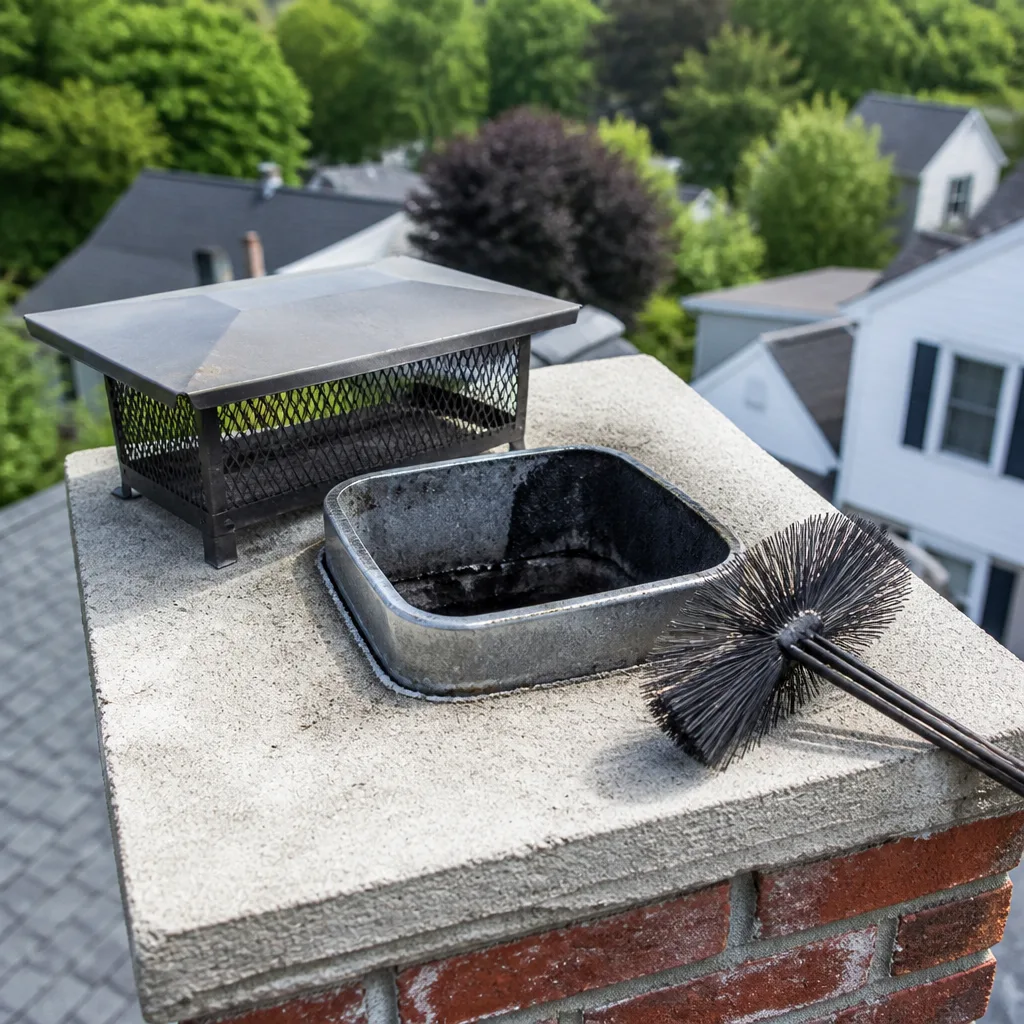 Sweep & inspection
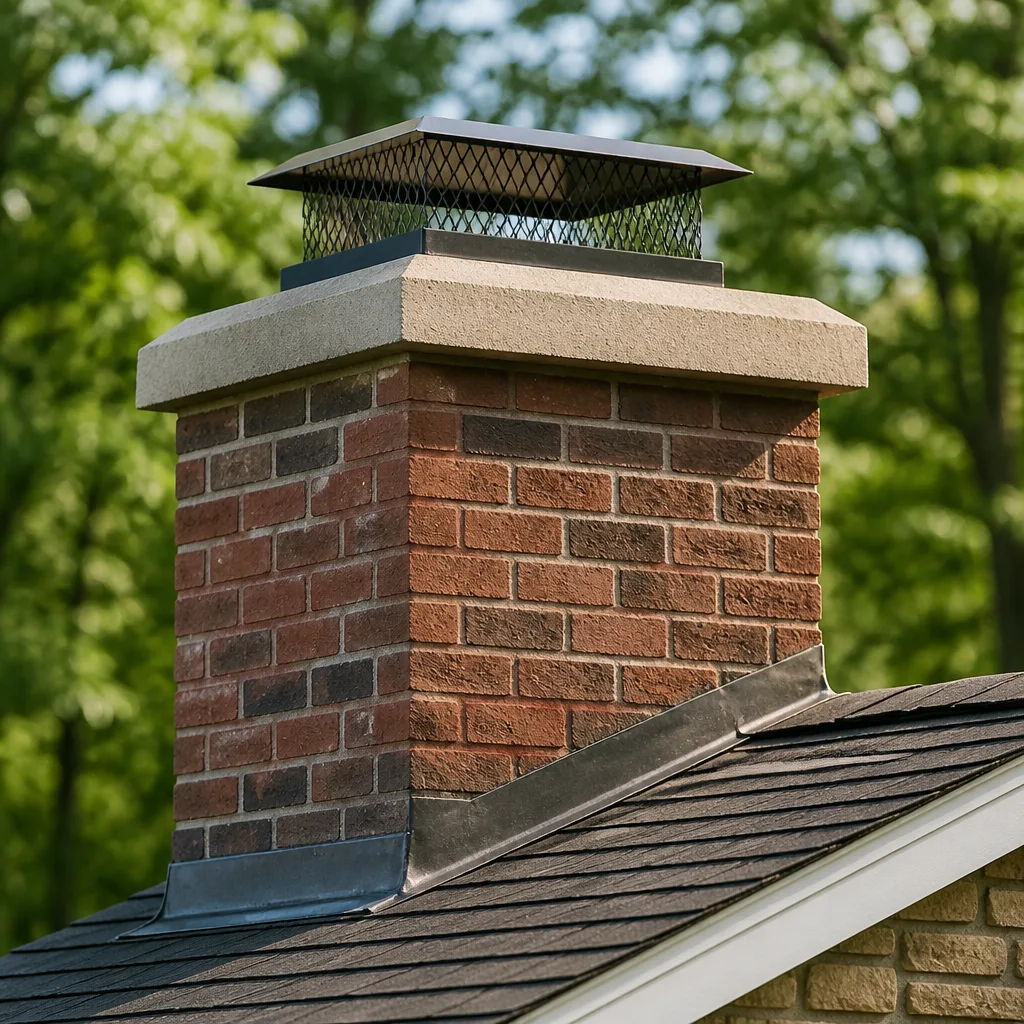 Caps & crowns
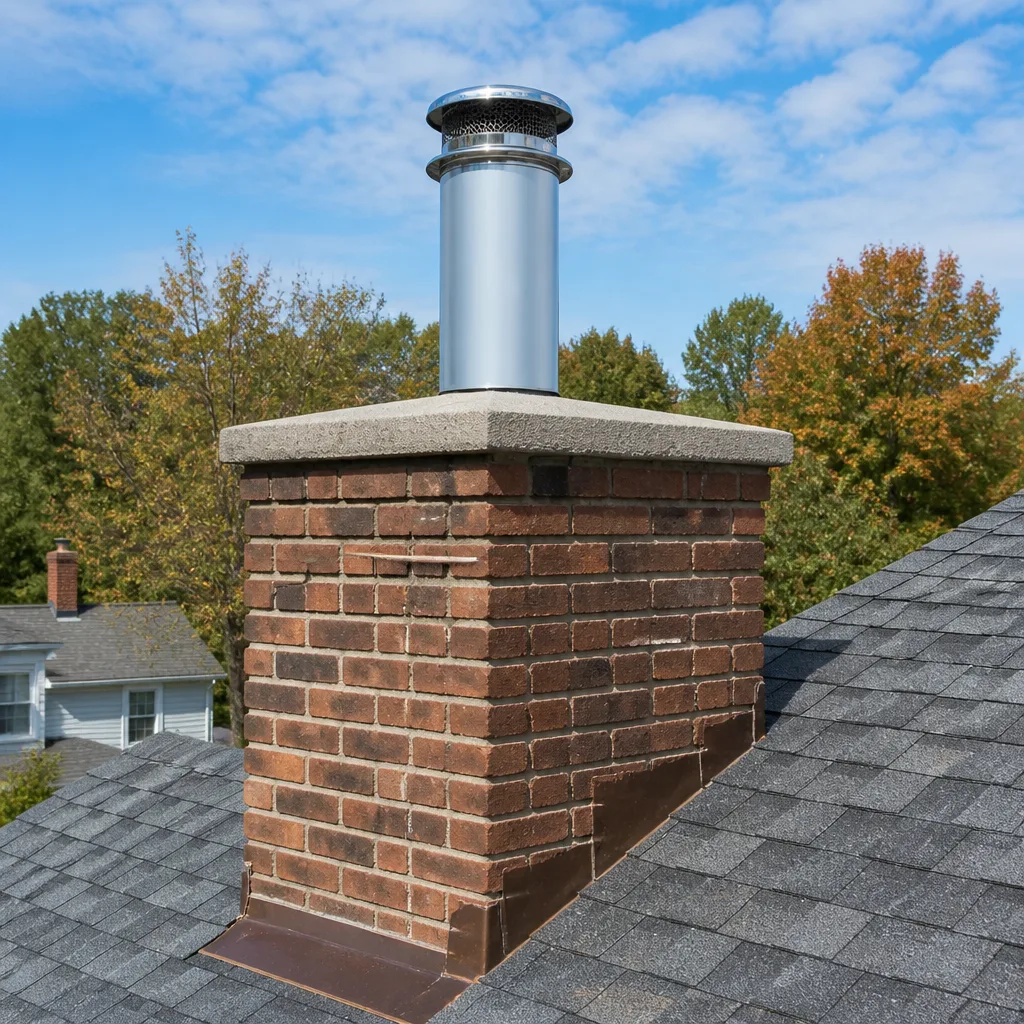 Flue relining
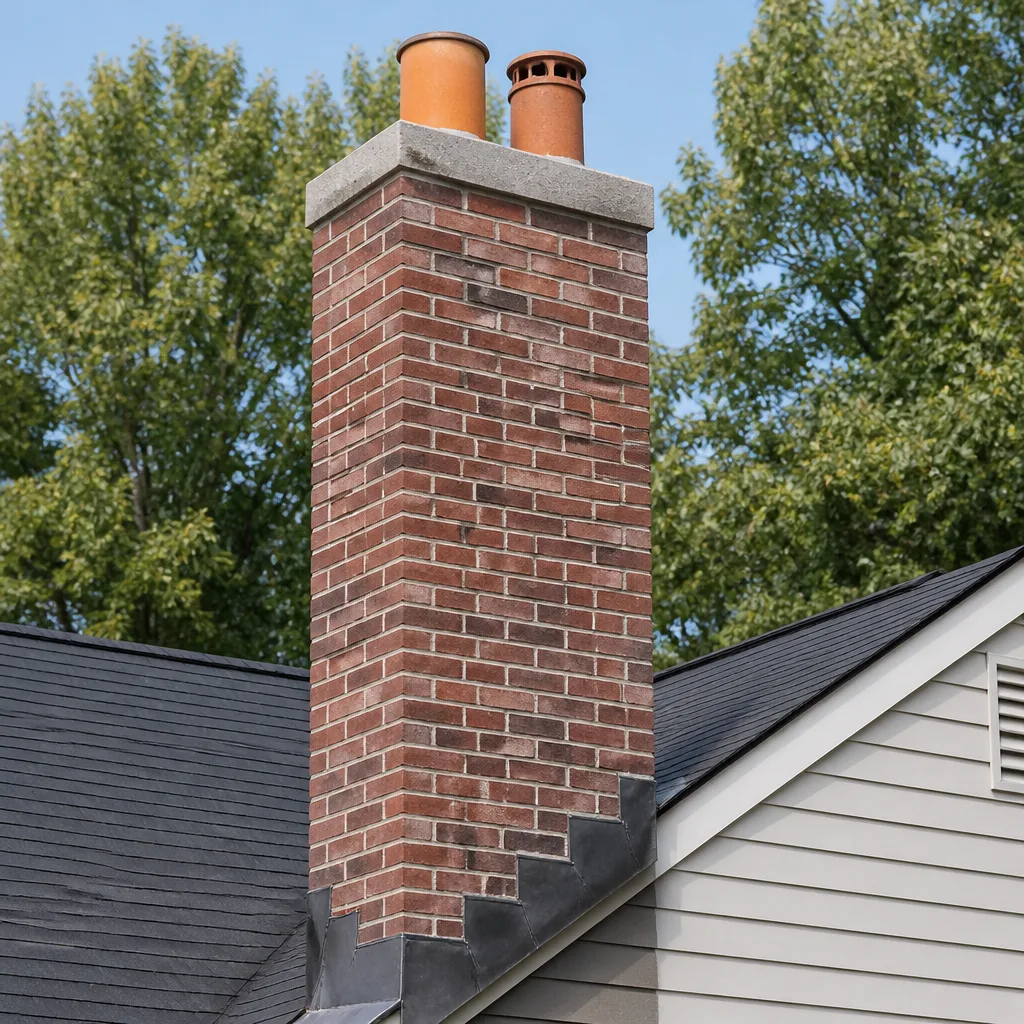 Masonry repair
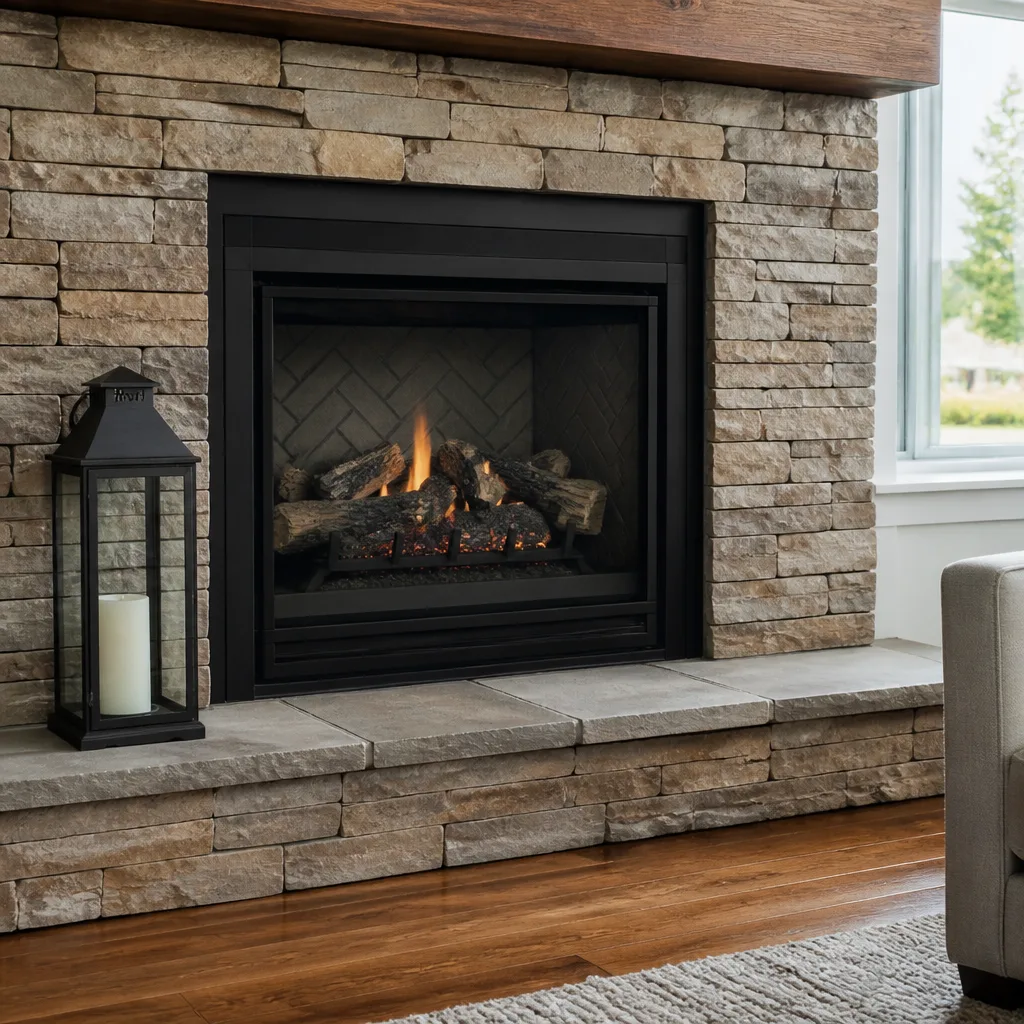 Gas fireplace service
Level 1 sweep and inspection to the NFPA 211 annual standard - flue, crown, cap, and flashing checked and photographed
Chimney sweep logs do not sweep chimneys. They loosen some creosote - which then falls where a brush and vacuum still have to collect it.
The Complete Guide to Chimney Cleaning in Garden Oaks
Most chimney guides are written for homes that burn wood six months a year. In Garden Oaks, the average homeowner fires up the fireplace 10 to 20 times a season, and that changes almost everything a chimney sweep needs to know. Light use doesn’t mean low risk. It means the creosote that does form sits in a humid, mild-winter environment where masonry quietly takes on water between burns, and where a once-a-year inspection matters more than the number of fires you lit. This guide covers what actually happens inside a Garden Oaks chimney, what a real cleaning involves, how sweeping differs from cleaning, and how to check the work before the technician packs up.
Quick Answer
Chimney cleaning in Garden Oaks should happen once a year for most homes, or sooner if you’ve burned more than a cord of wood or noticed glazed creosote. A proper service includes a full sweep of the flue plus a Level 1 inspection, because Houston’s humidity creates moisture-driven problems that light burning schedules don’t prevent. If a sweep wants to sell you a liner before showing you camera evidence of damage, slow down and get a second opinion.
Key Takeaways
- Light-use Texas fireplaces still form creosote; the profile differs from high-use northern chimneys but isn’t safer.
- Houston humidity moves masonry deterioration onto its own timeline, independent of how often you burn.
- Every cleaning should come with a Level 1 inspection bundled into the visit, not sold as a separate line item.
- Sweeping and cleaning are not the same job, and many Garden Oaks chimneys need both.
- Ask for camera evidence and understand what “done correctly” looks like before the technician leaves.
Styles & brands we work with
- Sweep & inspection
- Caps & crowns
- Flue relining
- Masonry repair
- Gas fireplace service
Table of Contents
- Why Garden Oaks Chimneys Age Differently
- The Creosote Profile of a Low-Use Texas Fireplace
- Sweeping vs. Cleaning: What’s the Difference?
- Why a Level 1 Inspection Belongs With Every Cleaning
- What Happens During a Chimney Cleaning
- How to Verify the Work Before They Leave
- Houston Humidity and Your Masonry
- How Often You Actually Need Cleaning
Why Garden Oaks Chimneys Age Differently
Garden Oaks sits in a pocket of Houston where the housing stock includes a mix of mid-century ranch homes and later construction, and both share the same climate pressures. Winters are mild, so the fireplace gets used in bursts, usually during a cold snap that lasts a few days. Summers are long, humid, and hard on anything built from brick and mortar.
That combination produces a chimney that looks fine from the curb but ages in ways that northern guides don’t describe. A creosote-and-moisture cycle that would take a decade to show up in a cold climate can show up faster here, because the masonry stays damp longer between burns. When you light a fire in a chimney that’s taken on moisture, the first fires of the season drive that moisture out slowly. A chimney that stays damp and also accumulates a film of creosote creates a bond that’s harder to sweep than dry creosote on dry brick.
We’ve seen this pattern in Garden Oaks repeatedly. Homes that burn lightly but never get swept end up with a sticky, dark glaze in the upper flue that simple brushing doesn’t remove. That’s the kind of buildup that argues for a professional service like Chimney Sweep Garden Oaks rather than a general handyman with a brush and a shop vac.
The takeaway is simple. In Garden Oaks, cleaning frequency should be tied to the climate as much as to your burning schedule. An annual visit covers both.
The Creosote Profile of a Low-Use Texas Fireplace
Creosote is the residue left behind when wood smoke cools against the flue walls. In cold climates where the fireplace runs constantly, the buildup happens fast and the stages are well documented in every national guide. In Houston, the sequence looks different.
Because Garden Oaks homeowners burn maybe once a week during a couple of cool months, the creosote doesn’t have time to move through all three stages in a single season. It deposits in thin layers, then cools, then sits. The result is that Stage 1 (soot and light flaky creosote) and Stage 2 (hard, dark, crusty deposits) often coexist in the same flue. This makes the deposit deceptive. You may see fluffy soot at the top and hard crust three feet down.
The stovepipe creosote stages most guides describe:
- Stage 1: Soot and light, flaky deposits that brush off easily. Most common in low-use fireplaces.
- Stage 2: Hard, cracked, dark deposits that require a rotary brush and skill to remove cleanly.
- Stage 3: Glazed, tar-like creosote that has bonded to the tile. This is the stage most likely to ignite.
In our experience, Stage 3 is less common in low-use Garden Oaks fireplaces, but it does happen. It usually appears in homes that burned unseasoned wood or that closed the damper too far during a fire, smoldering the load. The presence of Stage 3 doesn’t mean the chimney needs a liner. It means it needs a proper sweep and a careful evaluation of the tile.
Sweeping vs. Cleaning: What’s the Difference?
Sweeping removes creosote from the flue itself. Cleaning means everything else: the firebox, the smoke shelf, the damper, and any debris on the smoke chamber. In the trade these are sometimes used interchangeably. In practice, they’re different jobs, and many Garden Oaks chimneys need both on the same visit.
Sweeping alone leaves the firebox floor, the smoke shelf above the damper, and any soot on the firebrick untouched. That soot is a fire hazard on its own, and it’s what tends to build up in Garden Oaks homes that don’t burn frequently. Because there’s less wood smoke moving through the system, the smoke that does travel deposits oxide and acidic residue in the firebox rather than the flue. A brush-only job misses it every time.
A complete visit should cover:
- Sweeping the full length of the flue with a rotary brush sized for the liner.
- Cleaning the smoke shelf and smoke chamber.
- Cleaning the damper and the firebox walls.
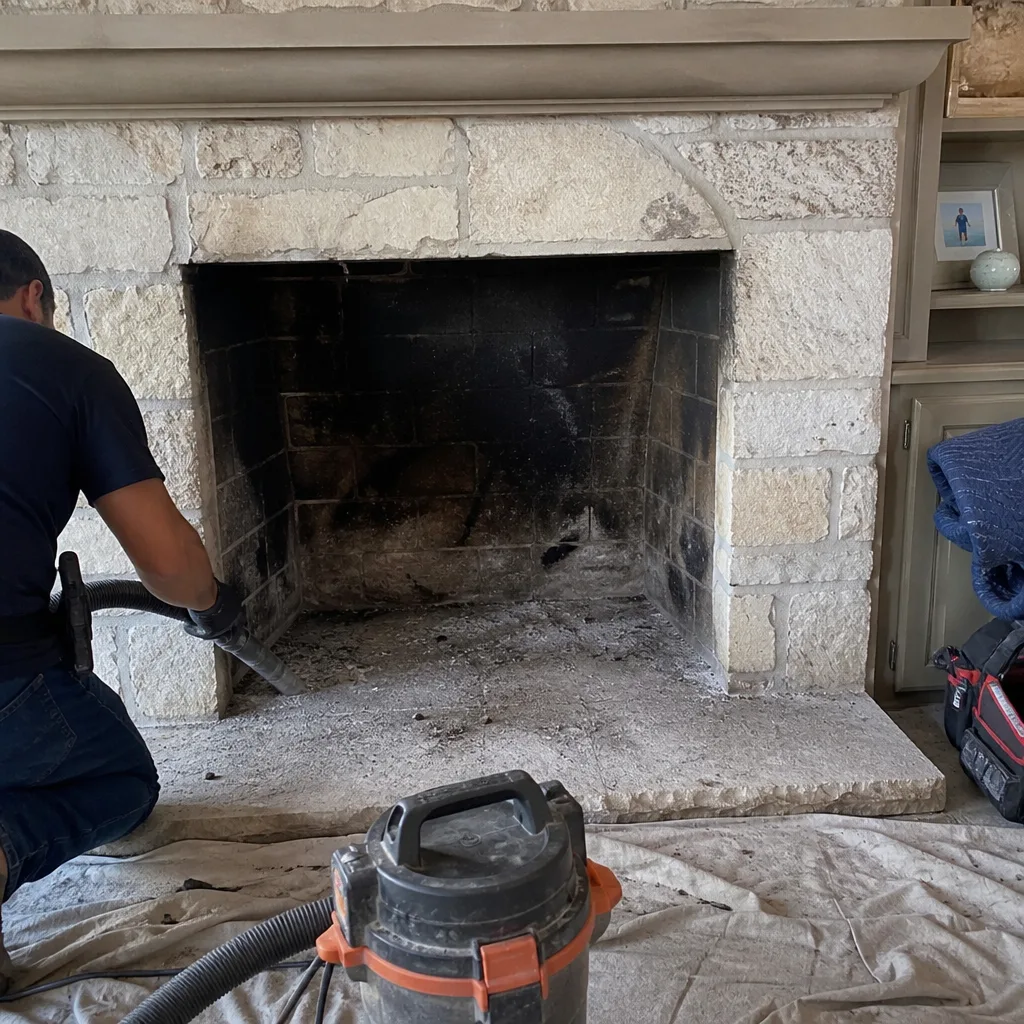
- Vacuuming the firebox floor with a HEPA-rated vacuum before finishing.
- A visual Level 1 inspection of the flue, cap, crown, and exterior masonry.
When we quote a chimney sweep, this is the scope we’re describing. If a company quotes an “on the cheap” sweep, ask what’s included in writing. Most often it’s a flue brush and nothing else.
Why a Level 1 Inspection Belongs With Every Cleaning
A Level 1 inspection is the standard visual check every chimney should get during a routine cleaning. It doesn’t involve a camera or opening up the crown. It’s a careful look at everything visible from the firebox up to the top of the flue and out to the cap. In Garden Oaks, this inspection is where most real problems get caught, and it should never be sold as a separate line item on top of a sweep.
What a Level 1 inspection actually checks:
- The flue liner for cracks, gaps, and missing mortar joints.
- The smoke chamber and smoke shelf for buildup.
- The damper for proper operation and fit.
- The firebox walls for cracked firebrick.
- The chimney cap and crown for damage, rust, or missing hardware.
- The exterior masonry for visible cracks or efflorescence (the white staining that signals water migration).
Efflorescence is one of the findings we flag most often in Garden Oaks, because the humidity here pushes moisture through brick and deposits mineral salts on the surface. That’s a watering matter, not a fire matter, but it’s the same pattern that eventually shows up as a cracked crown or a failing flange at the top of the chimney cap & crown. Catching it during a routine cleaning is far cheaper than catching it after a season of water intrusion.
If the inspection turns up something serious, a Level 2 (camera) inspection is the natural next step. A good sweep will tell you whether that’s actually necessary or whether the finding can wait until next season’s cleaning.
What Happens During a Chimney Cleaning
A professional cleaning in Garden Oaks follows a predictable sequence. Knowing the steps matters because it lets you spot a shortcut before it turns into a problem.
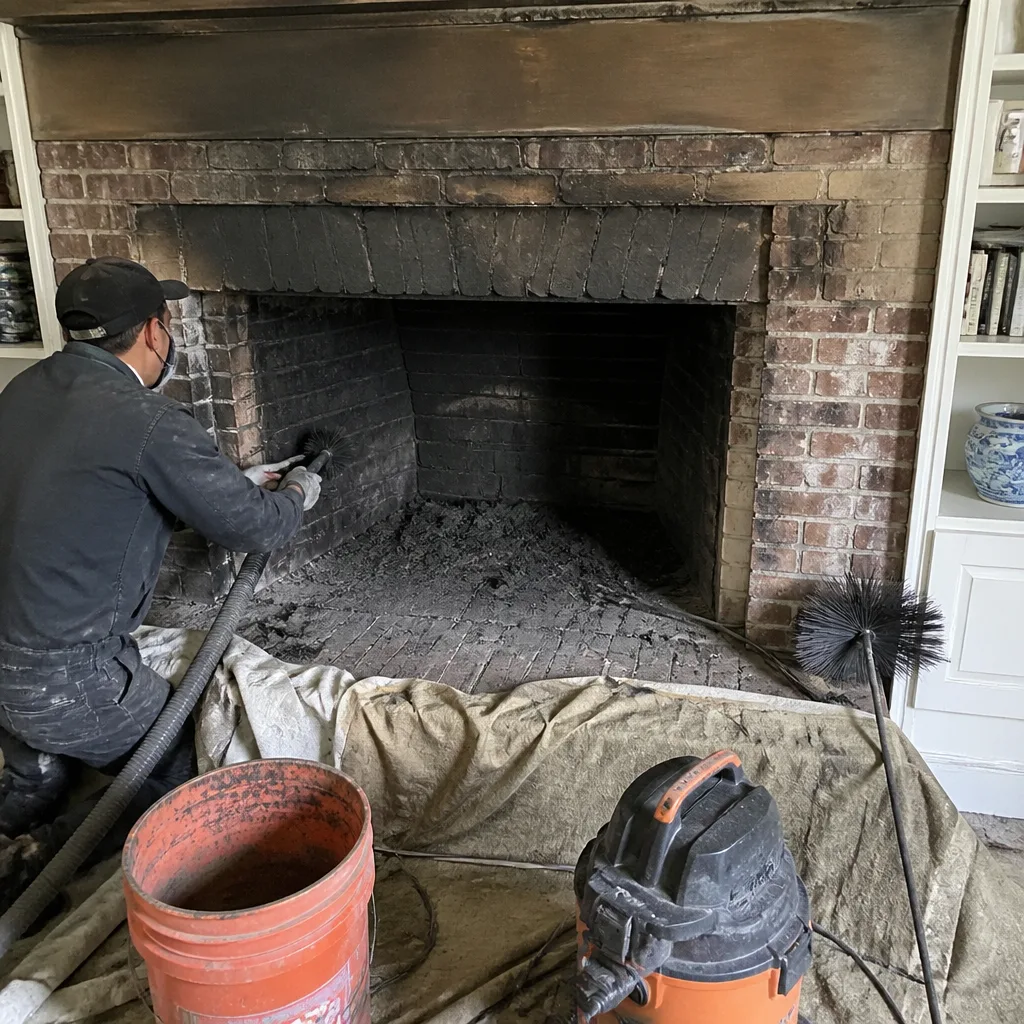
- Drop cloths and canvas. The technician protects the fireplace opening and the surrounding floor before any work starts.
- Initial inspection. Before brushing, the technician checks the firebox, damper, and flue for obvious damage.
- Sweeping. A rotary brush sized for the flue is run from the top down (or bottom up, depending on the chimney’s configuration), with a HEPA vacuum running the entire time.
- Smoke shelf and chamber cleaning. The technician reaches up through the damper to clear soot from the horizontal smoke shelf and the sloped chamber above it.
- Firebox cleaning. Ash, soot, and old log debris get vacuumed out and the firebrick is wiped down.
- Exterior inspection. The technician goes up to the roof to inspect the cap, crown, flue tiles, and masonry.
- Photo report. Any findings get documented with photos the homeowner can see. This is standard on any professional job and it’s how we do it.
- Walkthrough. Before packing up, the technician walks the homeowner through what was found and what (if anything) needs attention.
In mild Houston winters, most of this work is easy to schedule in the shoulder seasons (late fall before the first cold snap, or early spring after the last fire). A cleaning done in October in Garden Oaks leaves the system ready for the whole season. A cleaning done in February is fine too, but if there’s been a fire going most weekends, an additional check before next season is wise.
We work with professional-trade brands on the equipment and materials side: DuraFlex for flexible relining when it’s needed, HeatShield for ceramic resurfacing as a liner-restoration option, and Gelco or Olympia Chimney for caps and components. These are the materials the trade specifies, not the big-box substitutes in circulation. Our technicians have up to 14 years of experience on residential chimneys in this climate.
How to Verify the Work Before They Leave
This is the part most homeowners skip, and it’s the part that separates a real cleaning from a brush-and-go. You don’t need to know the trade to check the work. You just need to look at a handful of things before the technician loads up.
What to check before they leave:
- Look inside the firebox. The floor and walls should be clean, dry, and free of soot smudges.
- Check the damper. It should open and close freely, seat flush when closed, and not be coated in soot.
- Look at the smoke shelf from below. Shine a flashlight up through the open damper. It should not be coated in visible soot.
- Ask about the flue. A good technician can describe what they saw up top: the condition of the tiles, whether there was glaze, whether the cap is intact.
- Get photos. Any noted issue should come with a photo. If they say the crown has a crack, ask to see it.
- Look for the mess. A proper job leaves no soot on the hearth or the rug. If there’s residue, ask them to clean it up before finishing.
- Walk away with a written summary. What was cleaned, what was inspected, what was found, what was recommended. If it isn’t in writing, it didn’t happen.
If a technician recommends a major repair without showing you photos or video evidence, ask for it. If they can’t produce it, that’s your signal to get a second opinion. We tell homeowners in Garden Oaks what the chimney actually needs, and that includes telling them when nothing needs to be done until next year’s cleaning.
Houston Humidity and Your Masonry
Creosote is the obvious concern in chimney care, but in Garden Oaks, moisture is the quieter problem. Houston’s average humidity sits high through most of the year, and every rain event that lands on a chimney with a weak cap, a cracked crown, or a missing rain cover pushes water into the masonry. That water doesn’t leave quickly. It migrates through the brick, through the mortar joints, and into the clay flue tiles, where it can freeze (rarely here, but it happens during a hard cold snap) or sit until the next fire drives it out.
The visible signs of moisture damage in a Garden Oaks chimney:
- White, powdery stains on the exterior brick (efflorescence).
- Spalling: brick faces flaking off, sometimes several pieces at once.
- A rusted damper or firebox hardware.
- Damp, musty smell in the firebox even when the fireplace is unused.
- Cracks in the chimney crown at the top of the stack.
Fixing this starts at the top. A proper cap and crown with a full rain cover keeps the rain out of the flue and off the top of the stack. Gelco and Olympia Chimney make caps that hold up well in this climate. When the crown itself is cracked (which is common on Garden Oaks homes older than a few decades), rebuilding it is often the least expensive path to a dry chimney for the next fifteen to twenty years.
On the interior side, HeatShield ceramic resurfacing is the option we use when the flue tiles have deteriorated but the chimney doesn’t need a full reline. It restores the interior surface of the flue and extends the life of the existing system without the cost of a flexible liner install. Not every chimney is a candidate. The ones that are get a restored flue that will hold up for years.
How Often You Actually Need Cleaning
The standard rule of thumb (once a year, regardless of use) is a good starting point, but the right answer for a Garden Oaks chimney depends on a few factors.
Factors that shorten the interval:
- Burning more than a cord of wood per season.
- Using unseasoned or “green” firewood. This deposits far more creosote per fire.
- Smoldering fires (damping the fire down low for long burns).
- Noticeable glaze in the flue from the last sweep.
- A gas insert installation, which often needs a different inspection rhythm than a wood-burning fireplace.
Factors that lengthen the interval:
- Light use (once a week through a few cool months).
- Burning only seasoned, dry hardwood.
- A sealed cap and rain cover that keeps the flue dry through the humid season.
- A recent full inspection that documented a clean flue.
For most Garden Oaks homes, we recommend an annual cleaning with the Level 1 inspection included. Homes that burn heavily or that have had a Stage 2 or Stage 3 creosote deposit in the past should schedule on the earlier side. Homes that barely use the fireplace can stretch to every other year, but only after a professional inspection confirms the flue is still in clean condition.
There’s one non-negotiable rule that overrides all the others: if the system has changed (new insert, new cap, new firebox liner, or you’ve moved into a home with an unknown chimney history), get a cleaning and inspection before lighting the first fire.
Common Mistakes to Avoid
- Assuming light use means no cleaning. The creosote in a Garden Oaks fireplace is thin but present, and the humidity here makes it harder to brush off after a couple of seasons. Skipping a year compounds the problem.
- Hiring a handyman who “also does chimneys.” A general handyman doesn’t have the equipment to sweep a flue properly, doesn’t do a Level 1 inspection, and typically won’t have the trade brands (DuraFlex, HeatShield, Gelco, Olympia Chimney) to correct any issue found.
- Letting a “free inspection” turn into a hard sell. A real inspection reports findings with photos. It doesn’t push a liner before you understand why.
- Burning unseasoned wood in Houston’s humidity. Green firewood that’s been sitting outside in the Houston damp doesn’t dry out in a season. The wetter the wood, the faster the creosote builds.
- Ignoring a cracked crown because the firebox “still works.” Water intrusion at the crown is the leading cause of failed flues in this climate. A small crack patched early is cheap. A failed crown that’s been wet two seasons is not.
- Skipping the smoke shelf during a sweep. Most brush-only jobs miss this. It’s the horizontal ledge just above the damper and it collects soot on every fire. Ask specifically whether it was cleaned.
- Waiting until the season starts to book. Late fall in Garden Oaks is the busiest stretch for chimney work. Book the cleaning before the first cold snap, not after.
See the difference
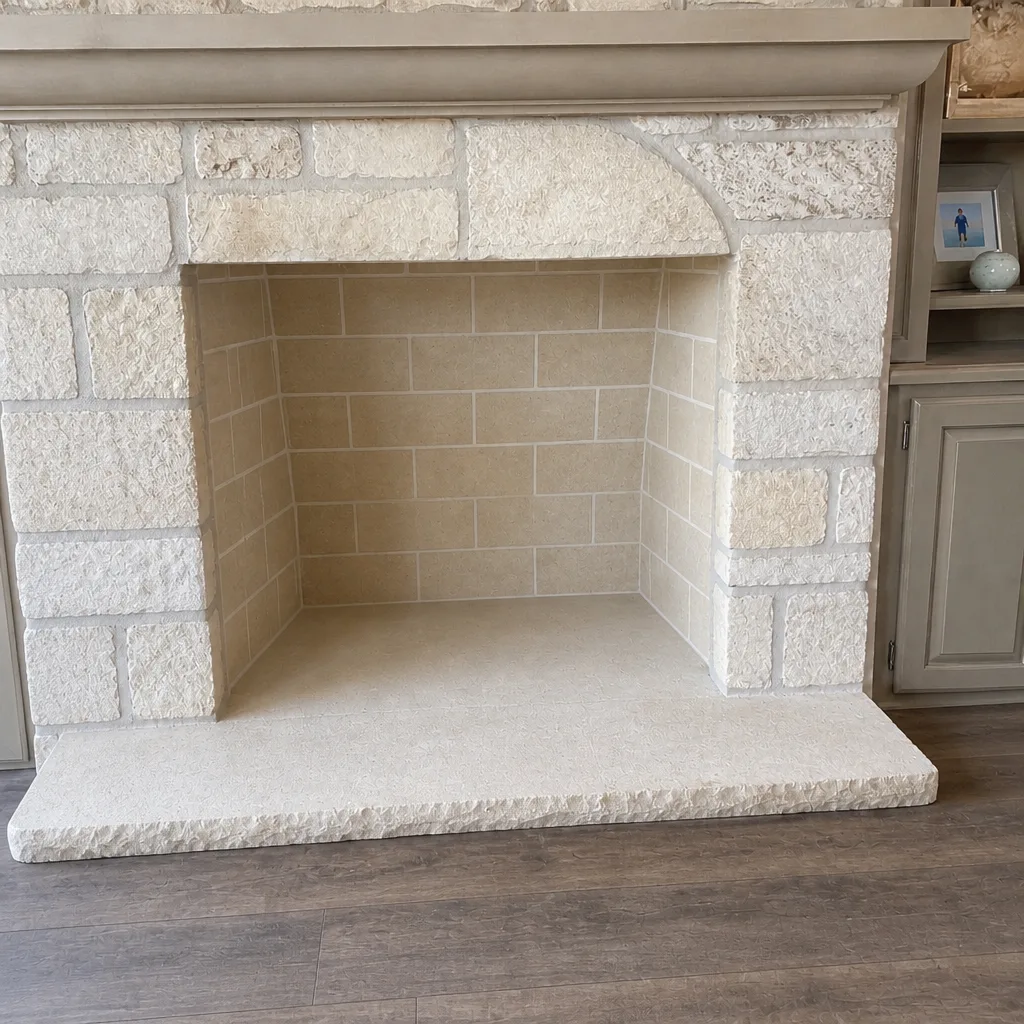
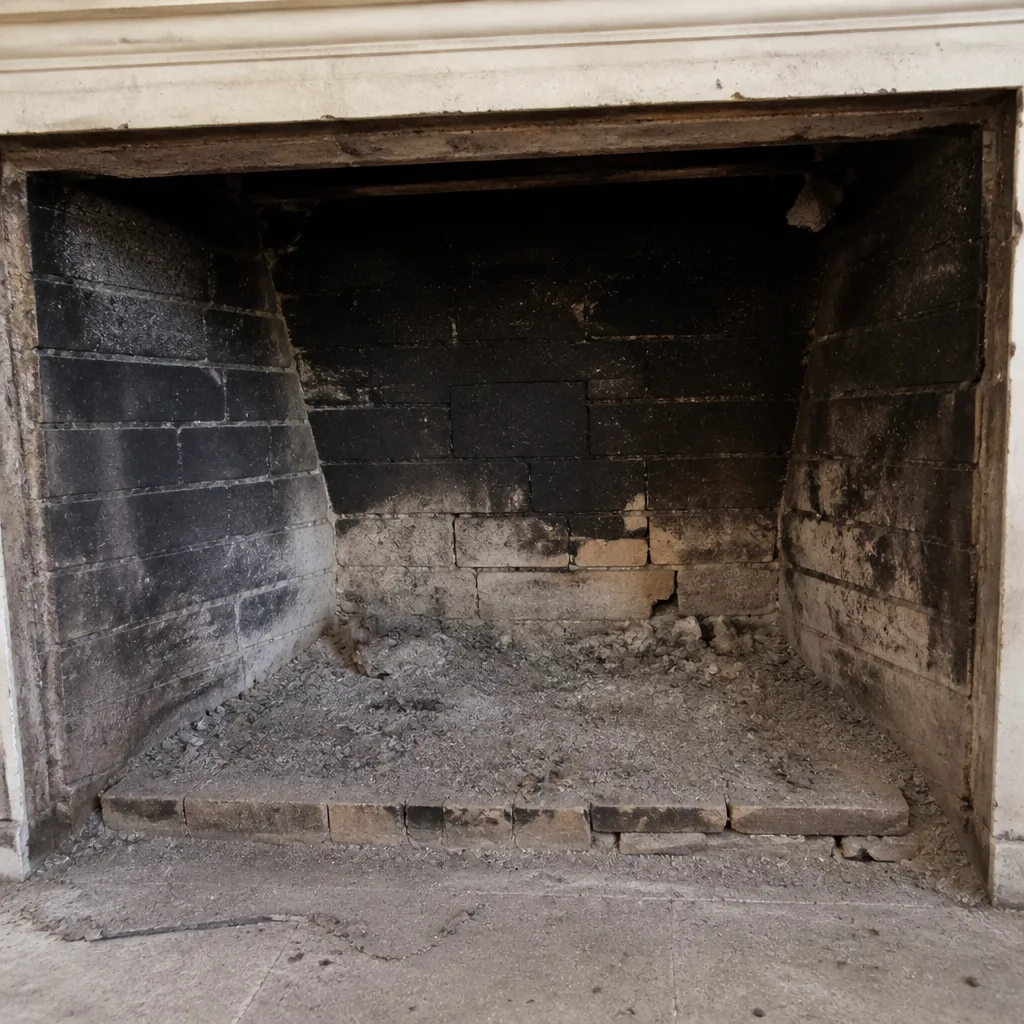 Before
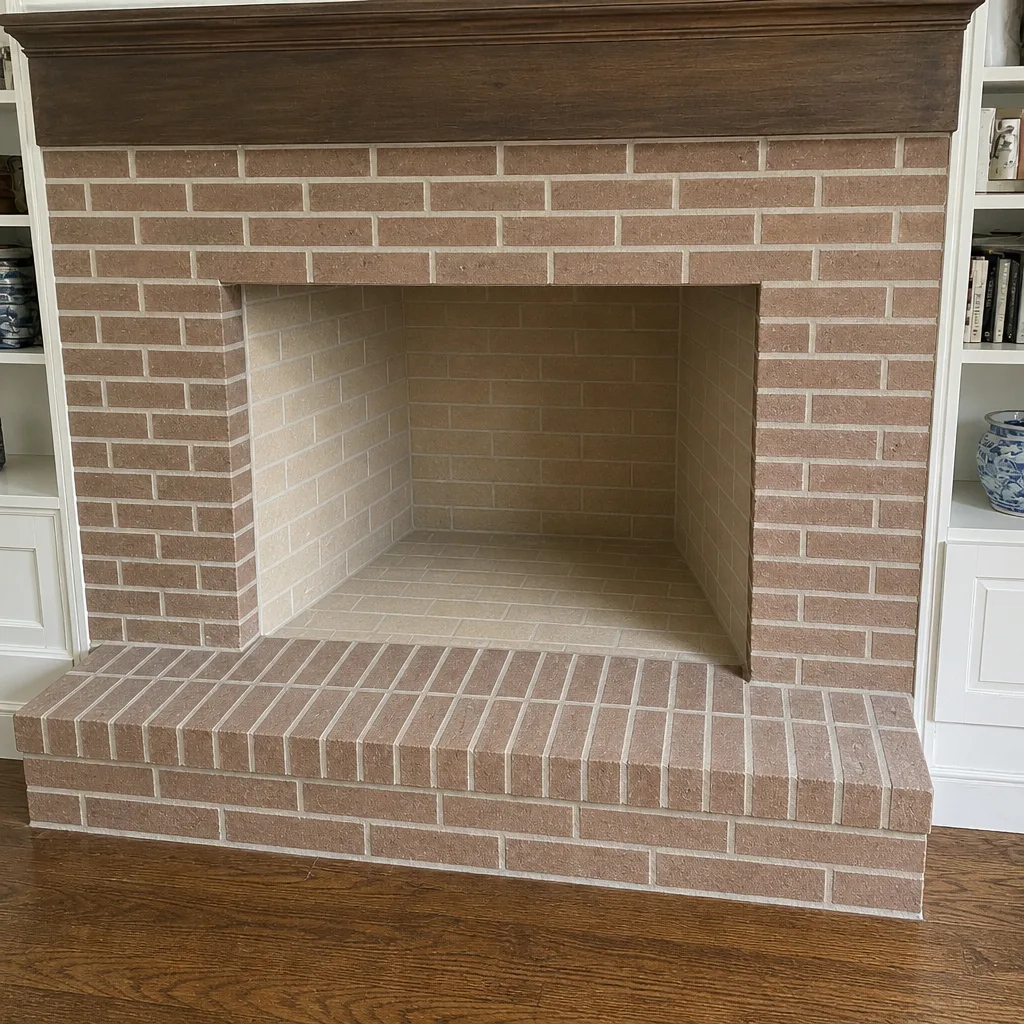
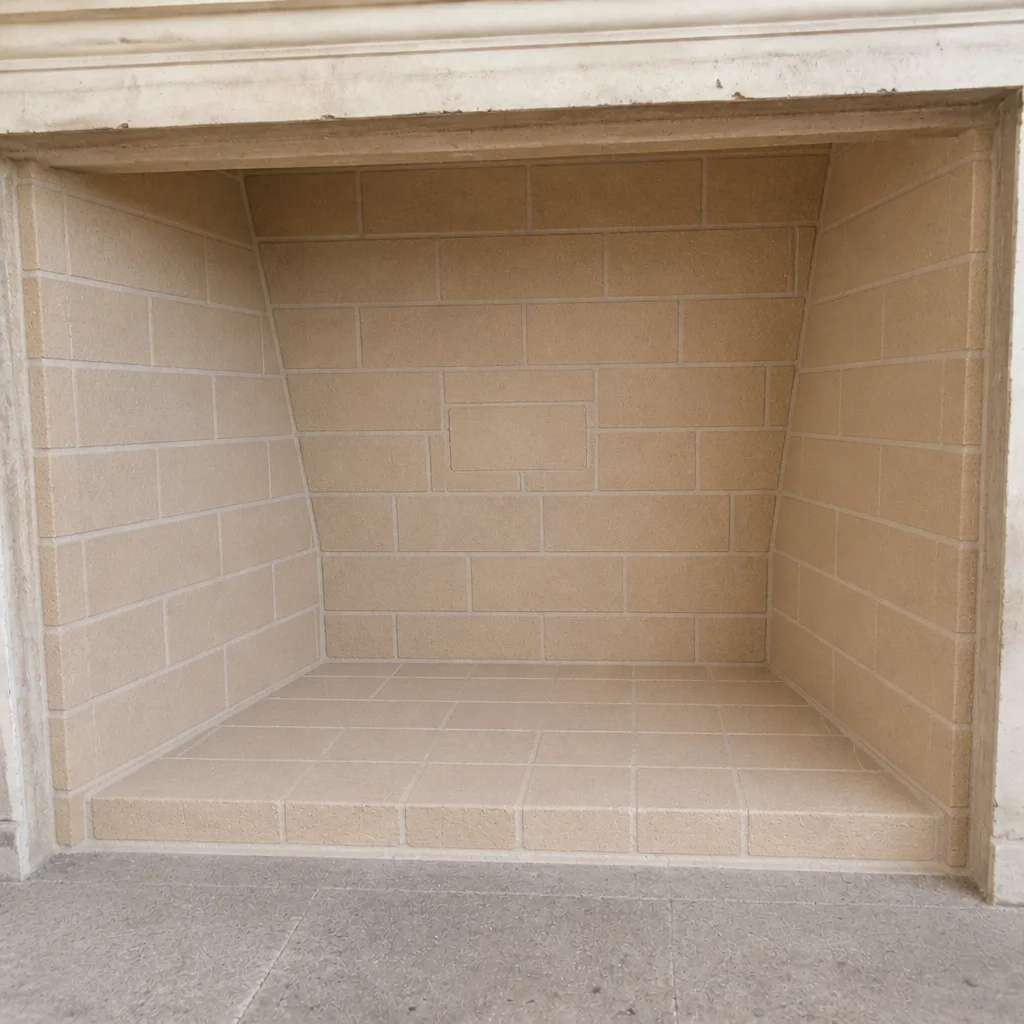 After
 Before
 After
 Before
 After
When to Call a Professional
Some chimney issues are best handled before they escalate. Call a professional if you notice any of the following: a strong smoke smell in the house when the fireplace is off, visible glaze inside the flue, smoke backing up into the room despite an open damper, water stains or efflorescence on the exterior masonry, a visible crack in the crown, crumbling mortar joints, or a cap that’s rusted, bent, or missing. Also call if it’s been more than two years since the last cleaning, regardless of how much you’ve burned.
For anything structural (cracked crown, damaged flue tile, missing cap), a general handyman can’t do the job correctly, because the materials and training required to do it right are specific to the chimney trade. Chimney Sweep Garden Oaks offers free estimates in Garden Oaks. Call (844) 299-4971. We answer 24/7. Fast dispatch from 7am to 7pm, Sunday through Friday. Every estimate comes with a written scope and photo documentation of any findings.
Frequently Asked Questions
A standard sweep with a Level 1 inspection in Garden Oaks typically runs $180 to $350 depending on flue length, creosote severity, and whether the smoke chamber and firebox need extra attention. Additions like a cap replacement or camera inspection are priced separately and quoted up front. Call (844) 299-4971 for an exact quote. Estimates are free.
Not always. A liner is the right call when the flue tiles are cracked, missing, or spalling badly enough that the system can’t safely vent exhaust. But your sweep should show you camera evidence of the damage before recommending one. If the tiles are intact and only the surface is worn, HeatShield ceramic resurfacing is often a better fit than a full reline. Ask for the photos and ask what the failure looks like on camera.
Once a year for most homes. Houston’s mild winters mean many Garden Oaks fireplaces only see 10 to 20 fires per season, but the humidity accelerates masonry wear between cleanings, so the annual visit does double duty (cleaning plus inspecting the parts of the system that water touches). Homes with heavy use or a previous buildup should schedule every season. Call (844) 299-4971 to book a sweep.
Two things. First, creosote continues to build and eventually reaches a glazed stage that’s harder and more hazardous to remove. Second, and more relevant in Garden Oaks, hidden moisture damage continues quietly (efflorescence, spalling brick, crown cracks) without anyone noticing. Neither one shows up as a problem until it’s expensive. A yearly cleaning catches both before they become structural.
Yes, but the service is different from a wood-burning sweep. A gas insert still requires an annual inspection of the venting, the cap, and the firebox, and the sweep will check gas connections and combustion indicators. Contact a fireplace repair specialist if you notice unusual flame color, soot around the insert, or a persistent smell when the insert is running. Call (844) 299-4971 for a gas-insert specific estimate.
Sweeping is brushing the flue to remove creosote. Cleaning is everything else: firebox walls, smoke shelf, damper, and any loose debris. In Garden Oaks, most chimneys need both on the same visit because the light-use burn cycle deposits soot across the whole firebox, not just the flue. Ask any company what’s included in their quote before booking.
The Bottom Line
Chimney cleaning in Garden Oaks isn’t just a once-a-year chore. It’s a maintenance schedule shaped by the climate: mild winters, high humidity, and a burn pattern that leaves thinner but harder deposits in the flue. A proper cleaning should always come with a Level 1 inspection, and a real inspection should always come with photo evidence of anything it finds. Sweeping and cleaning aren’t the same job, and most Garden Oaks chimneys need both. When a repair is needed, the right materials (DuraFlex liners, HeatShield resurfacing, Gelco and Olympia Chimney caps) should be specified by a chimney specialist, not improvised by a generalist. Book the cleaning before the first cold snap, check the work before the technician leaves, and ask questions about anything you don’t understand. That’s how you keep a chimney in working order for the life of the house.
Written by the team at Chimney Sweep Garden Oaks.